


Bancroft Park, Lansing
- Park
- Regional draw
- Lansing
Bancroft Park provides wooded outdoor space and recreation areas in Lansing.
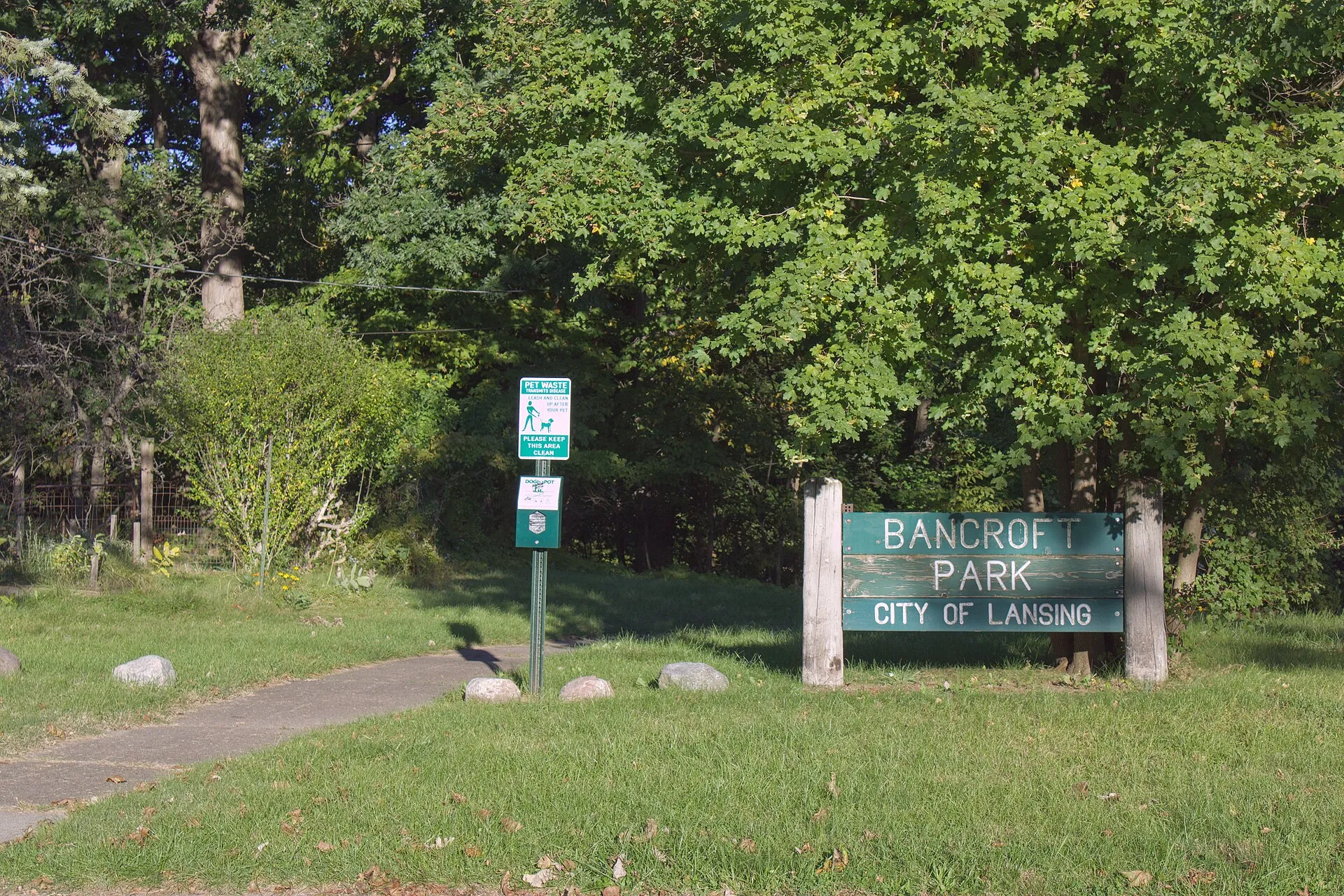
Paths and open areas give local visitors a place for a walk, informal activity or a picnic away from the city’s busier streets.
Use the city’s park information and posted entrance guidance to choose a route. The photograph shows the actual Oak Street pedestrian entrance. Facilities and organized activities have their own rules, and outdoor access does not reserve a field or picnic area. Check current notices and trail conditions before setting out, particularly in wet or wintry weather. Keep to public routes and respect neighboring properties.
Visitor details reviewed October 26, 2026. Check official visitor information for current access, admission, and operating arrangements. View on OpenStreetMap.
Image credit: Aenet / Wikimedia Commons. Original source. CC BY 4.0. Resized and converted to WebP; may be cropped for display.
Nearby
More places nearby
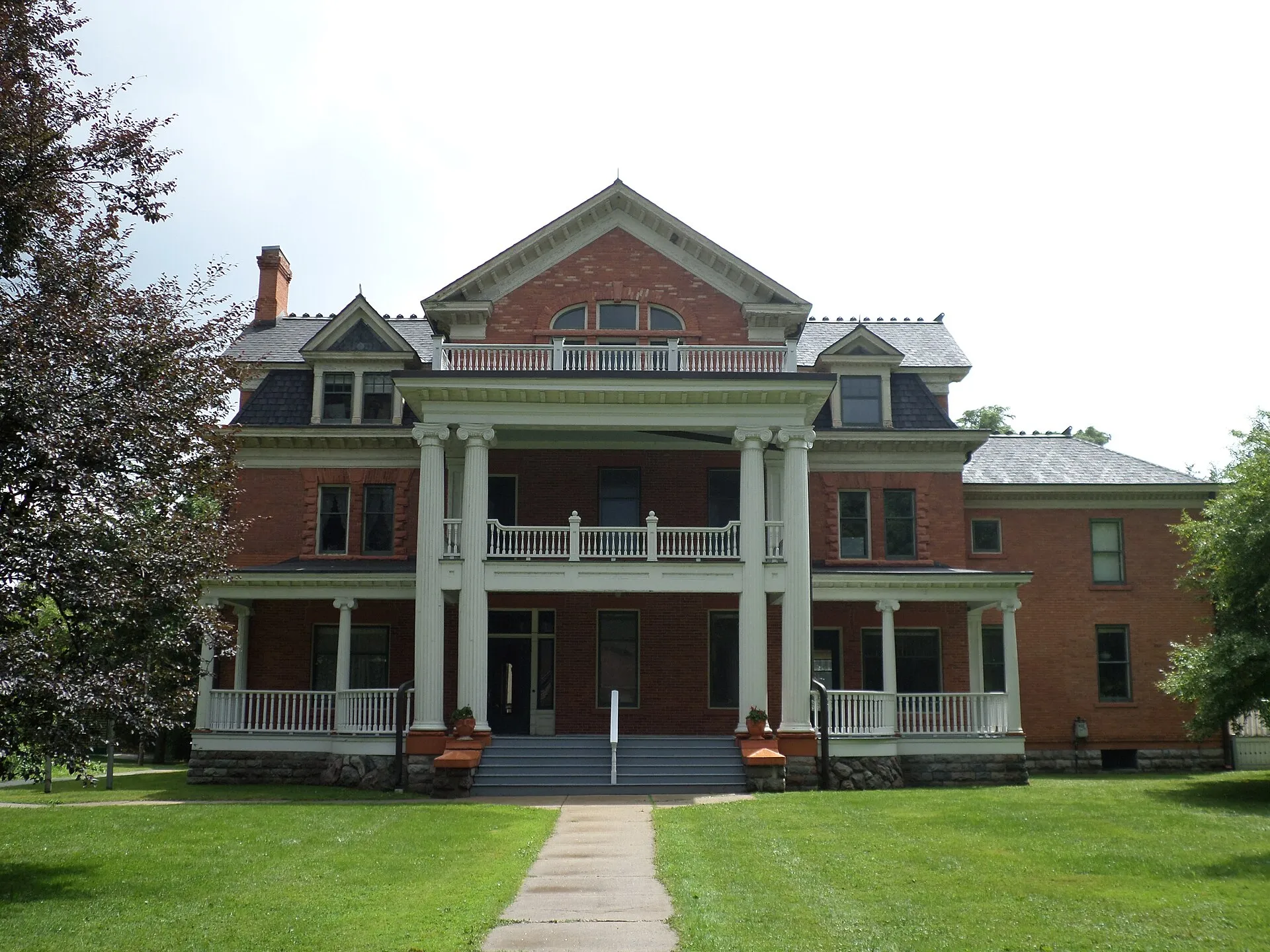 Turner-Dodge HouseTurner-Dodge House preserves a historic mansion overlooking the Grand River in Lansing.
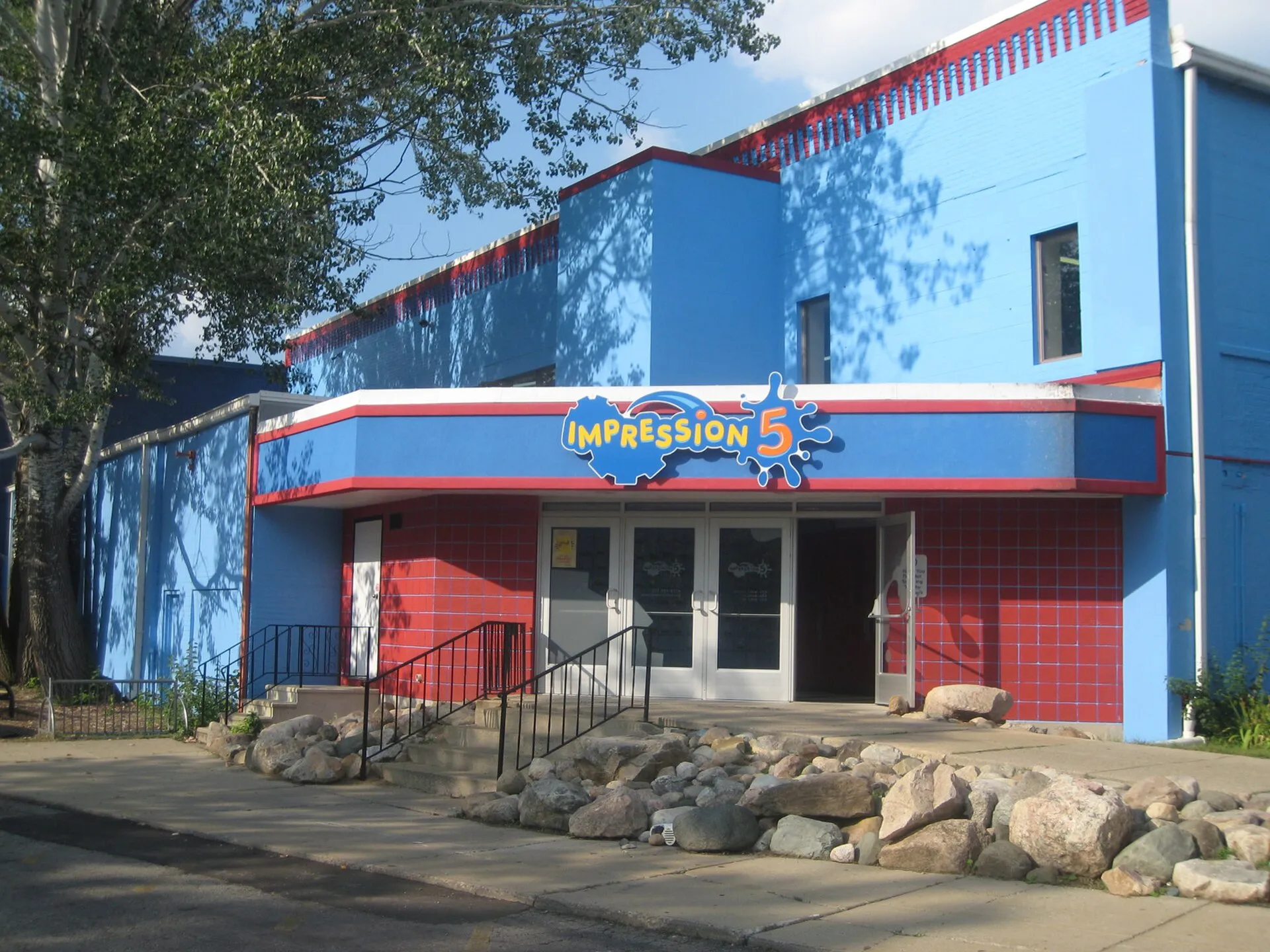 Impression 5 Science CenterImpression 5 Science Center in Lansing offers hands-on exhibits where visitors explore scientific ideas through play and experimentation.
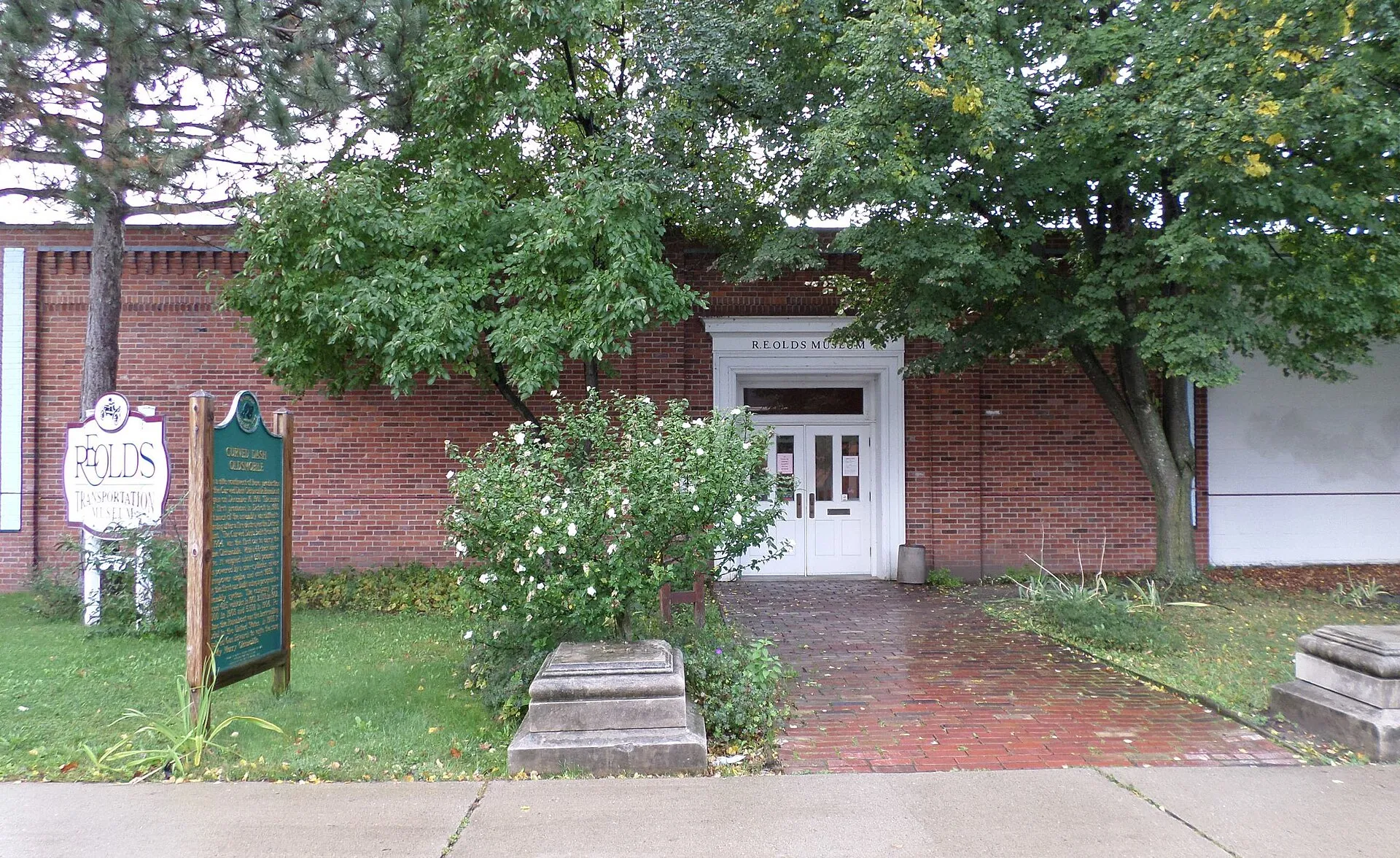 R. E. Olds Transportation MuseumNamed for Ransom E. Olds, this Lansing museum connects motoring history with the founder of Oldsmobile and REO. Vehicles and related material give visitors a way to explore the city's role in the development of American road transport.
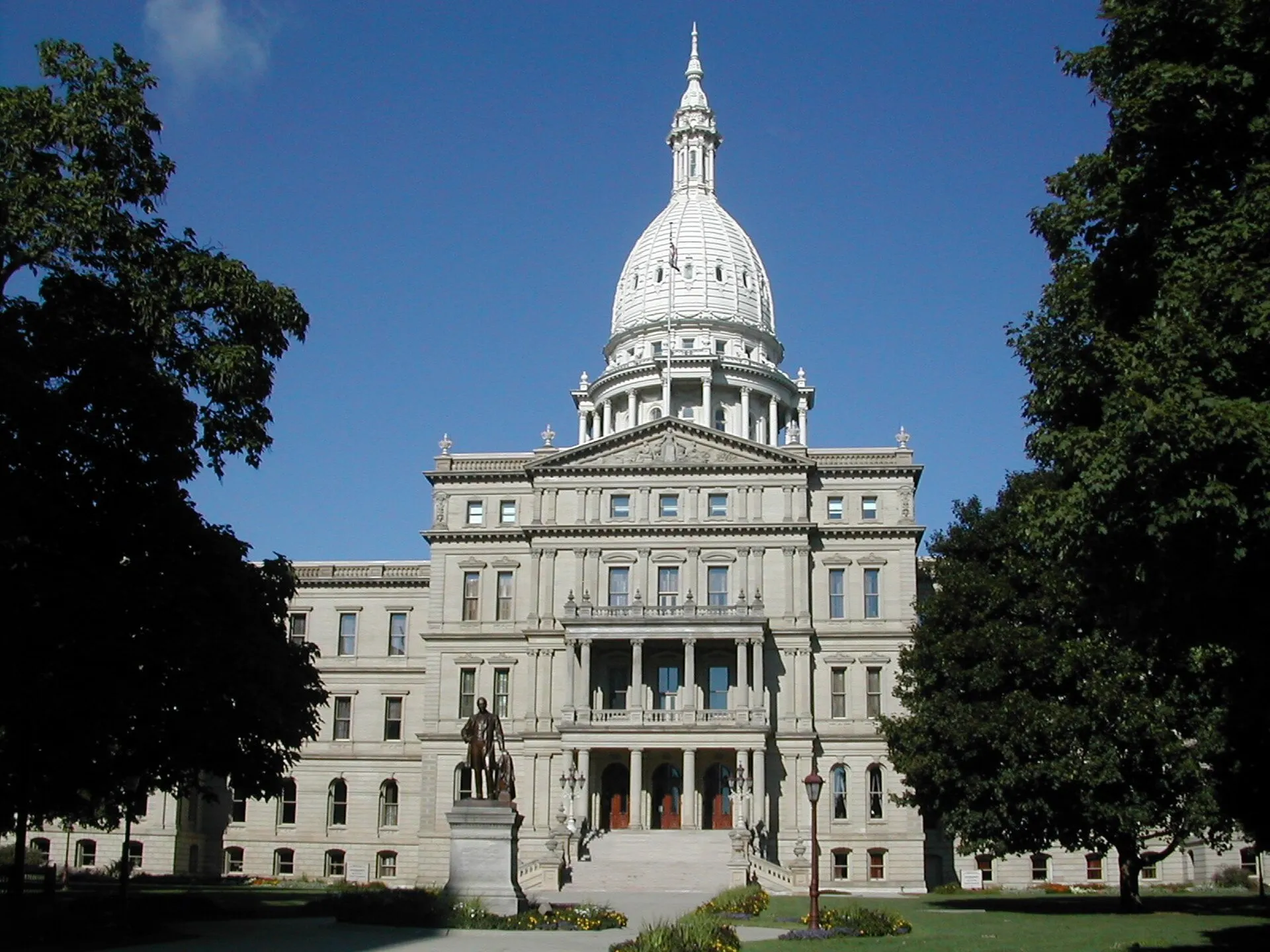 Michigan State CapitolLansing's Michigan State Capitol combines a working legislative role with a major historic interior and exterior. The building anchors the state's political centre, offering visitors a different way to explore Michigan's history from the nearby museum collections.
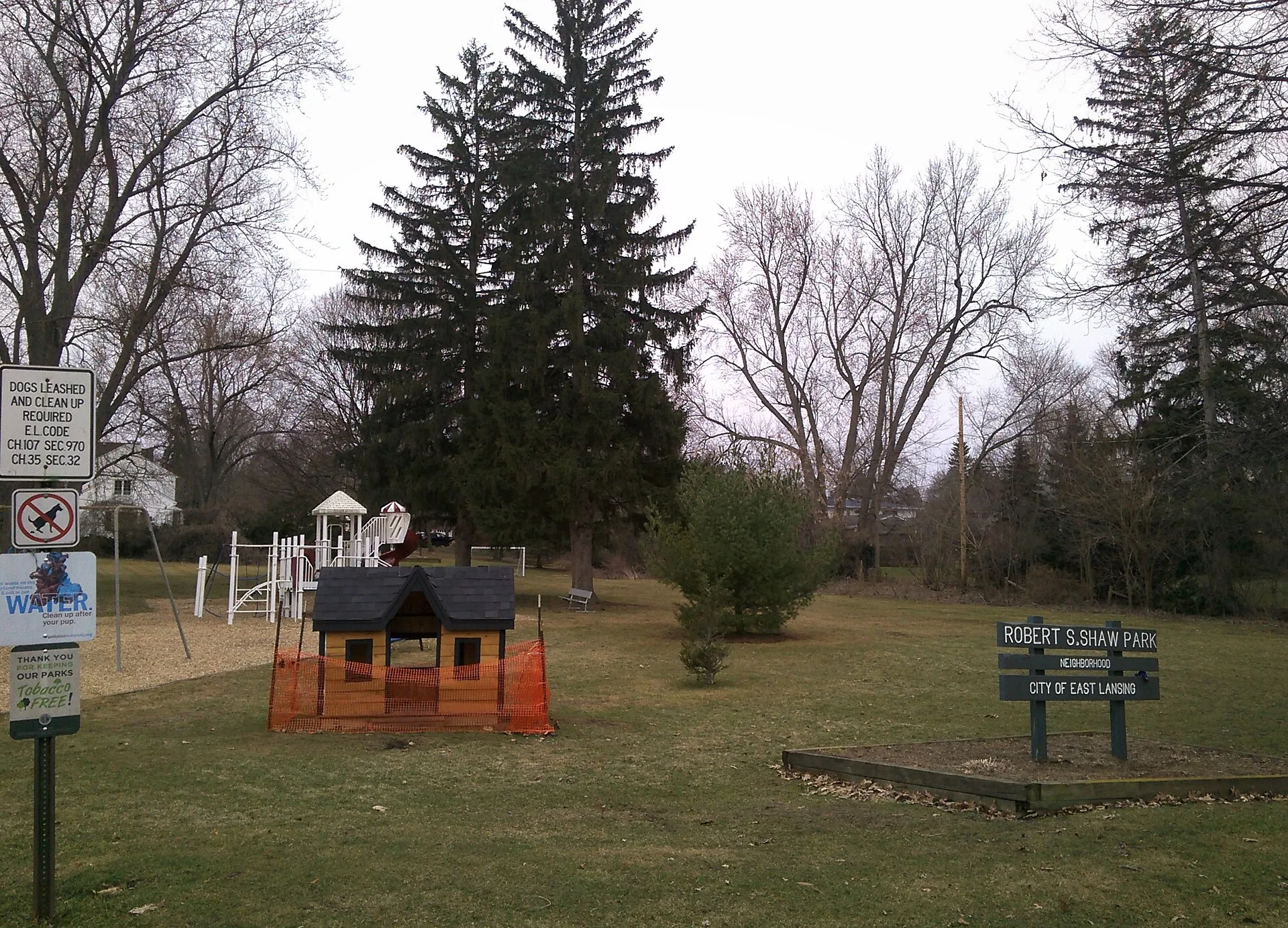 Robert S. Shaw ParkRobert S. Shaw Park is a small neighborhood park off Northlawn Avenue in East Lansing.
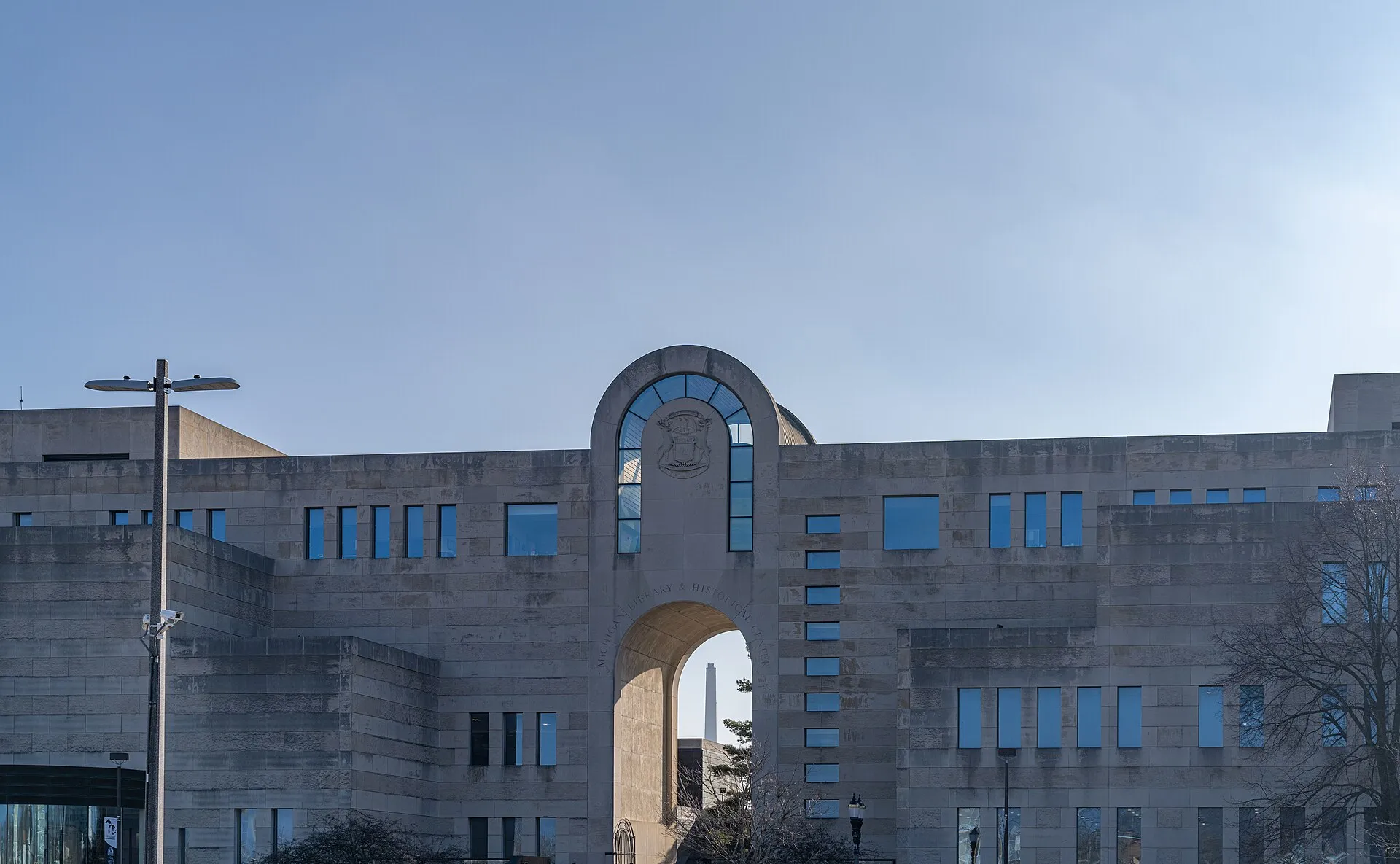 Michigan History CenterThe Michigan History Museum within Lansing's Michigan History Center explores the state's past through objects and interpretation. It offers context for understanding the communities, industries, and changes behind present-day Michigan, close to the state's working government buildings.