


Charles Pinckney National Historic Site
- National historic site
- Regional draw
- Mount Pleasant
Charles Pinckney National Historic Site preserves part of Snee Farm, the former country estate of a South Carolina signer of the United States Constitution.
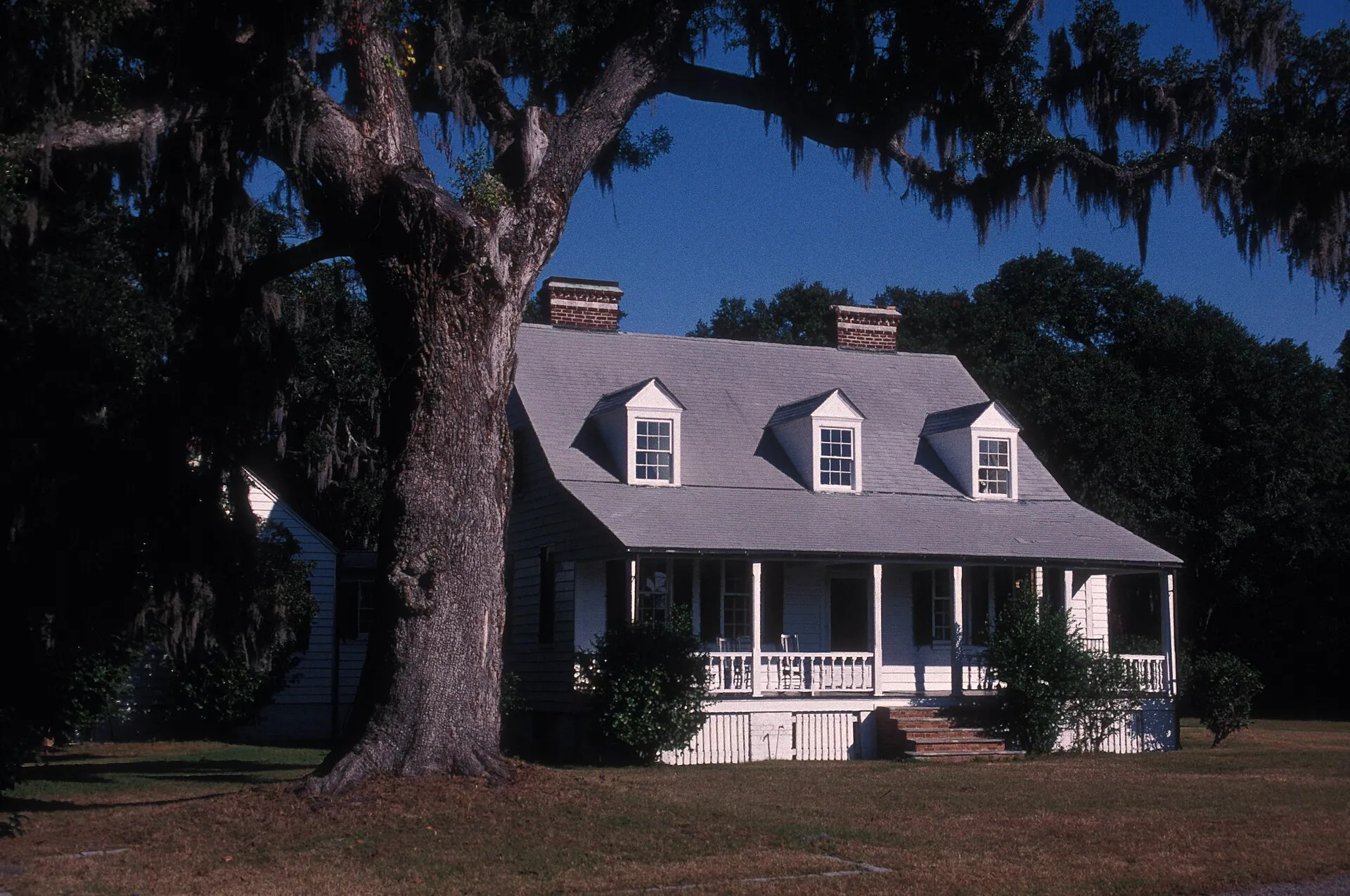
Exhibits and the landscape connect Pinckney’s public career with plantation operations and the lives of enslaved people.
Begin with the National Park Service visitor information to understand the historic house, available exhibits and walking opportunities. The surviving house serves as a visitor center rather than a preserved residence from Pinckney’s own lifetime. Check current opening arrangements before arriving, and allow time to consider the political and labor histories together.
Visitor details reviewed October 18, 2026. Check official visitor information for current access, admission, and operating arrangements. View on OpenStreetMap.
Image credit: JERRYE & ROY KLOTZ MD / Wikimedia Commons. Original source. CC BY-SA 3.0. Resized and converted to WebP; may be cropped for display.
Nearby
More places nearby
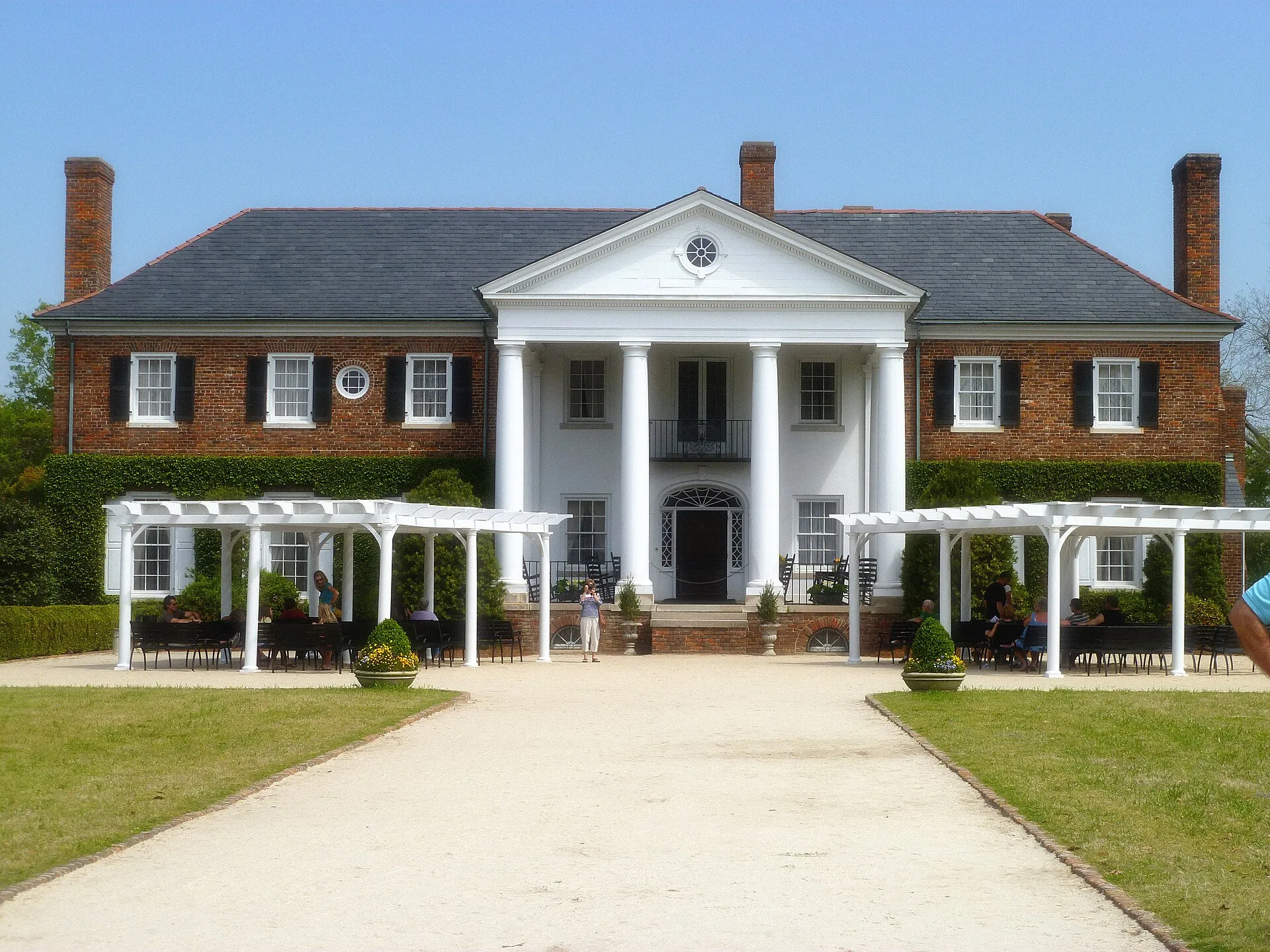 Boone Hall PlantationBoone Hall Plantation interprets a Lowcountry agricultural estate in Mount Pleasant.
 Patriots Point Naval and Maritime MuseumPatriots Point Naval and Maritime Museum brings preserved naval vessels and military-history exhibits to the edge of Charleston Harbor in Mount Pleasant.
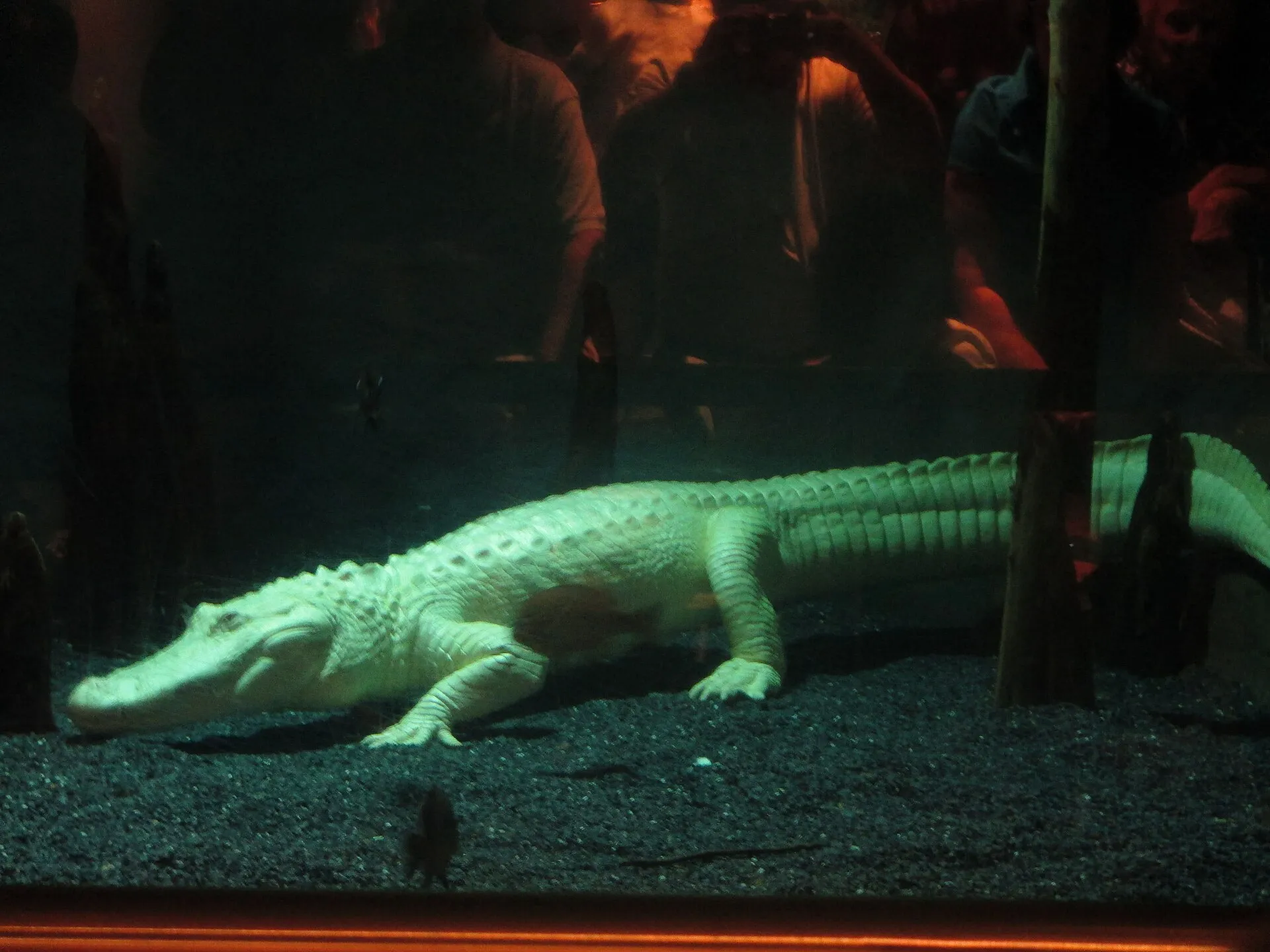 South Carolina AquariumOn Charleston Harbor, the South Carolina Aquarium combines living wildlife exhibits with a visible connection to the surrounding waterfront. Its setting and educational role make it a dedicated natural-world destination alongside the city's historical museums and house tours.
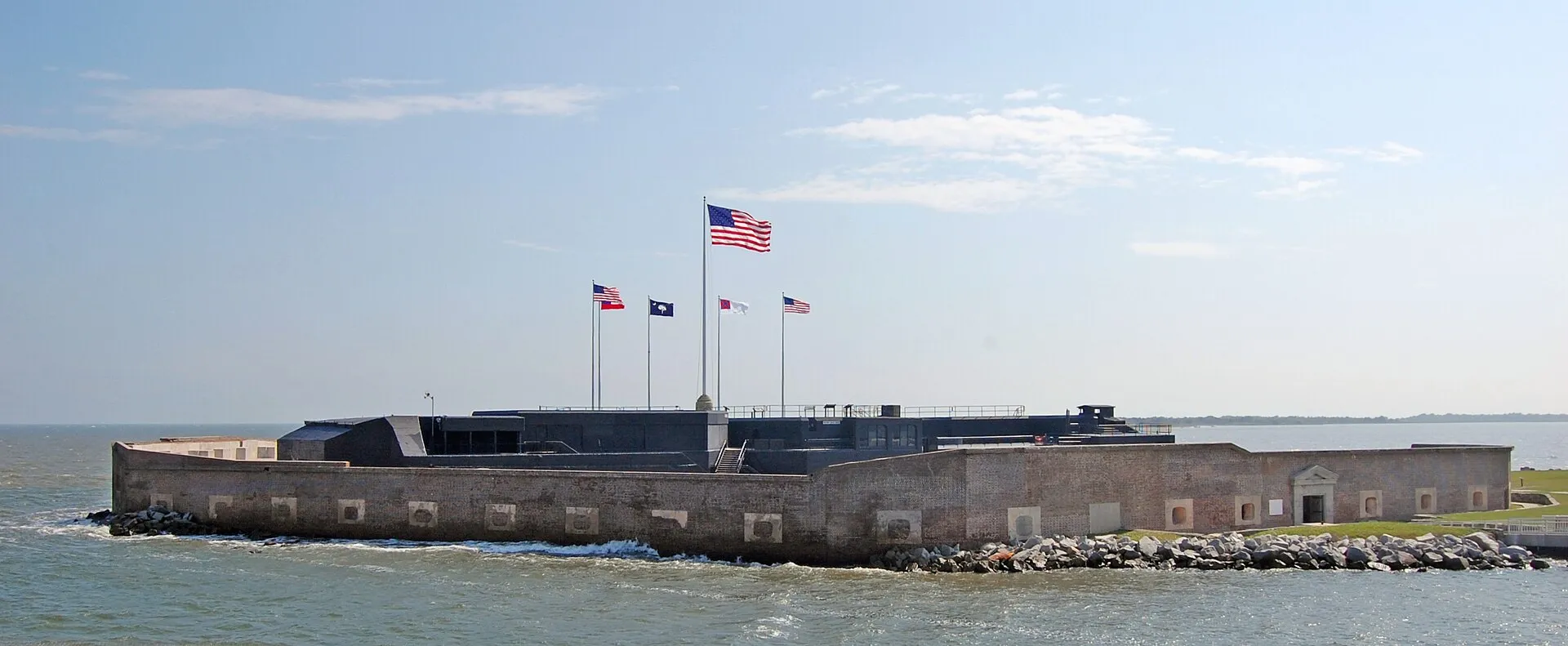 Fort SumterOn an island at the mouth of Charleston Harbor, Fort Sumter preserves the setting of the attack that began the American Civil War. The fort's surviving fabric and interpretation place the site within the larger history of coastal defence and national conflict.
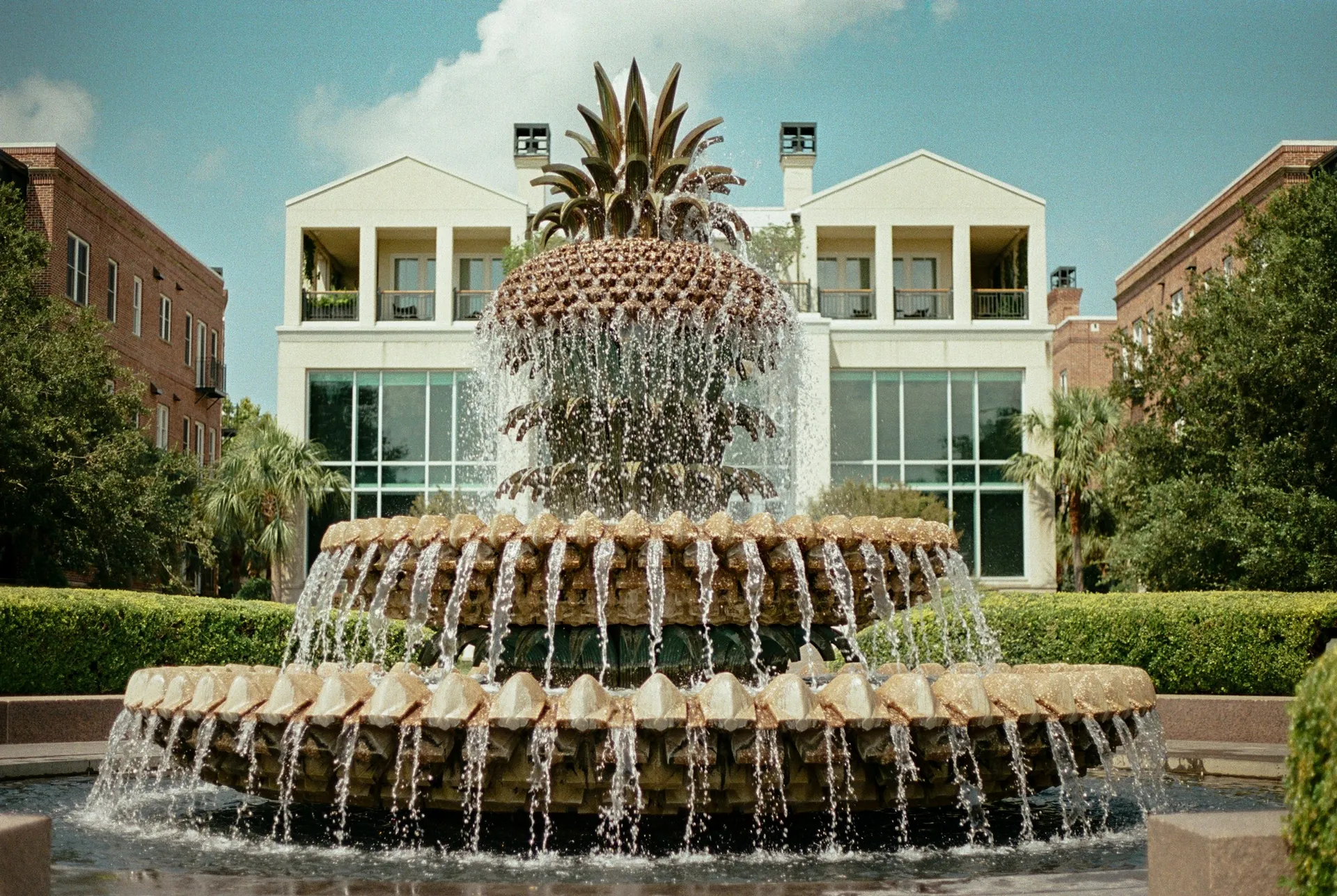 Joe Riley Waterfront ParkA Charleston Harbor park with the Pineapple Fountain, shaded garden spaces, a waterfront path, and a pier with swings.
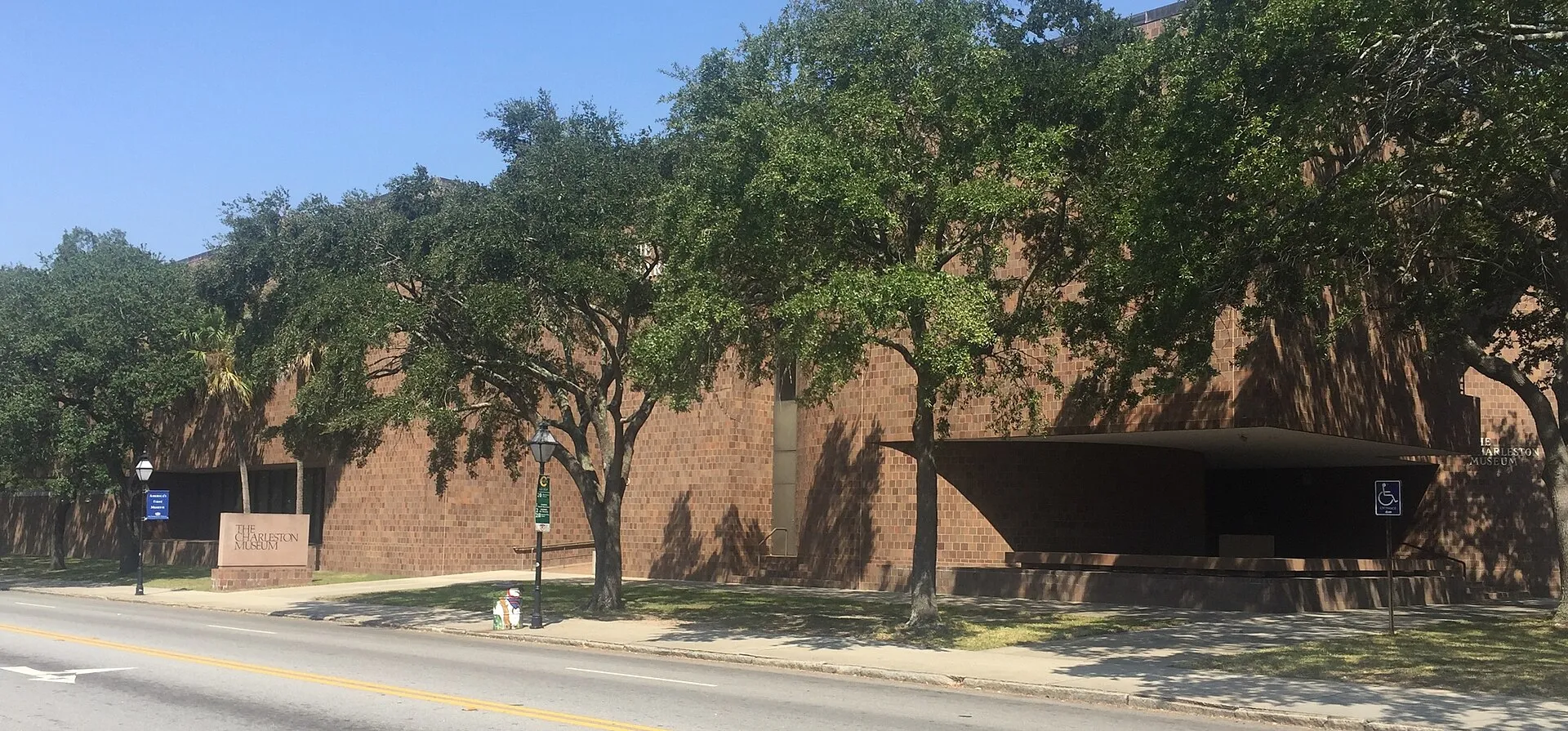 Charleston MuseumFounded in the eighteenth century, the Charleston Museum explores the Lowcountry through historical objects, natural-history material, and decorative arts. Its collections offer context for the buildings and landscapes visitors encounter elsewhere in the city, extending a visit beyond architecture alone.