


i.d.e.a. Museum
- Museum
- Regional draw
- Mesa
Mesa's idea Museum focuses on creative learning through art and interactive experiences for children. It is a useful choice for families seeking an activity centred on participation and imagination rather than conventional galleries of objects viewed from a distance.

Check the current exhibitions and age guidance to see how the experience fits your family. Confirm admission and session arrangements before arriving, and leave time for children to explore activities at their own pace.
Visitor details reviewed October 17, 2026. Check official visitor information for current access, admission, and operating arrangements. View on OpenStreetMap.
Photo: Kirs10 / Wikimedia Commons. Original source. CC BY-SA 3.0. Resized and converted to WebP; may be cropped for display.
Nearby
More places nearby
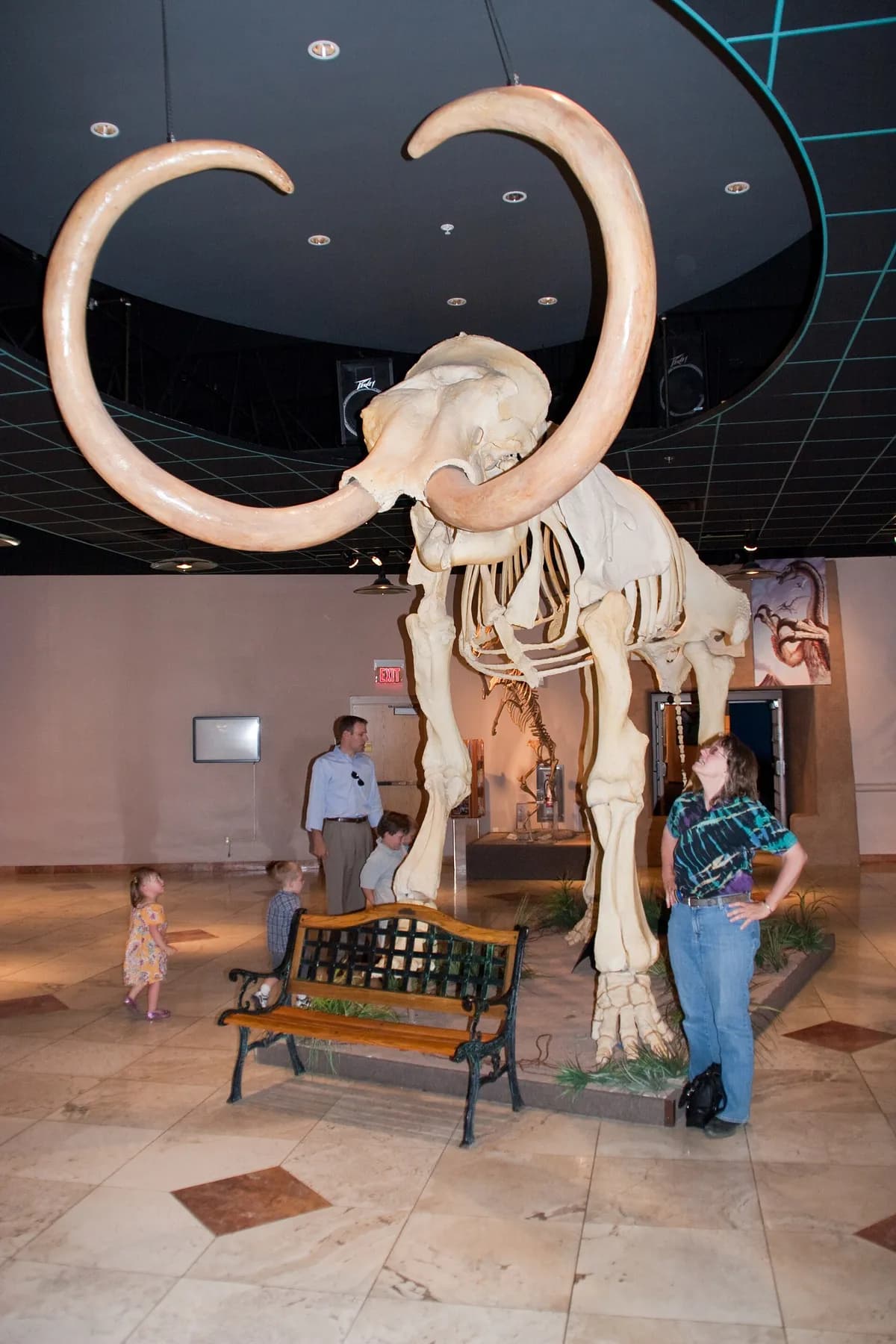 Arizona Museum of Natural HistoryMesa's natural history museum explores the landscapes, wildlife, and human history of the American Southwest. It provides an indoor introduction to the region, making it a useful complement to visits to desert parks and archaeological landscapes.
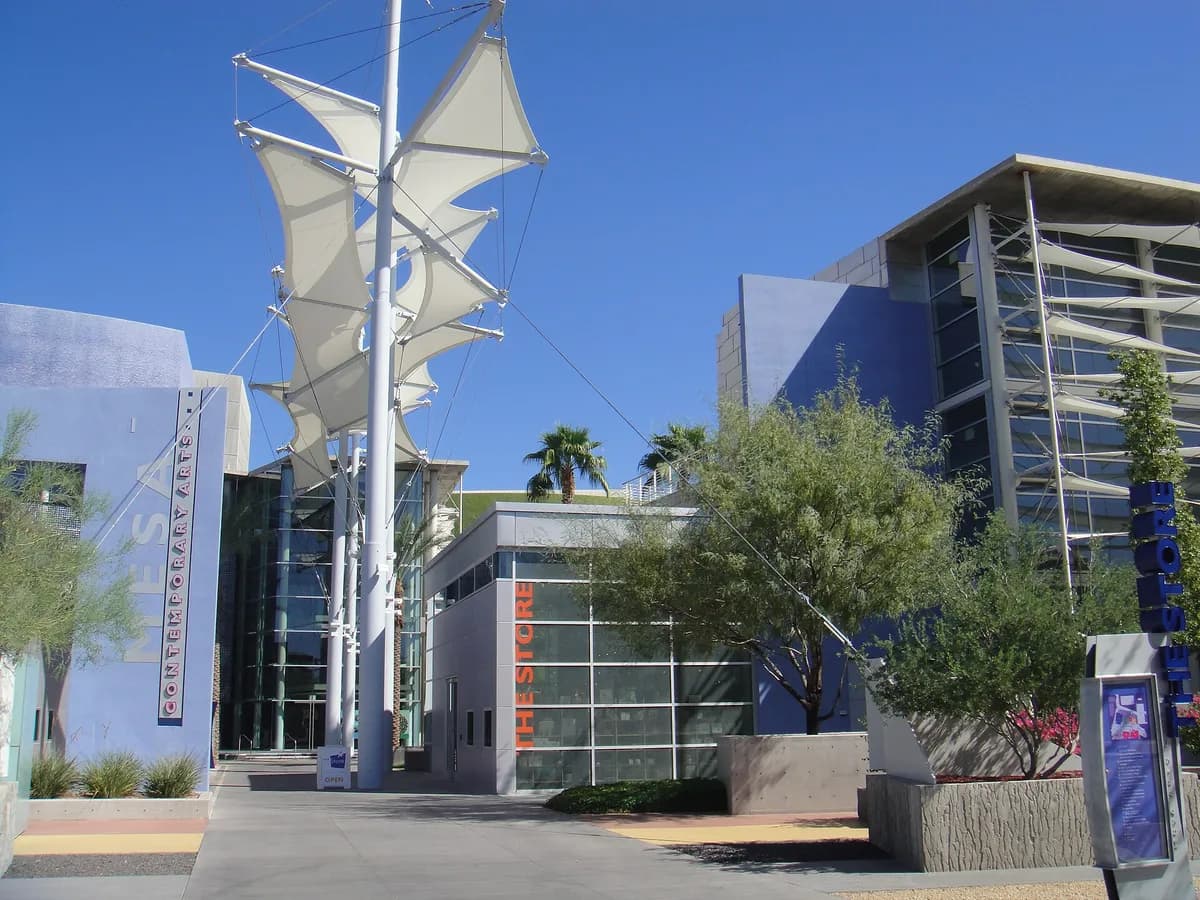 Mesa Arts CenterThis downtown arts campus brings performance spaces, contemporary art galleries, and creative education together in Mesa. Visitors can approach it through a particular concert or show, or through its visual arts program and distinctive public setting.
 Mesa Arizona TempleMesa Arizona Temple is a prominent religious landmark with a distinctive rectangular design and landscaped grounds.
 Golfland SunsplashGolfland Sunsplash combines miniature golf and other family activities with a seasonal water-park destination in Mesa.
 Park of the CanalsMesa's Park of the Canals preserves traces of historic irrigation in an outdoor setting that also includes desert planting. It offers a way to consider how moving water shaped settlement and agriculture in an otherwise dry landscape.
 Mesa Historical MuseumThe former Lehi School provides a historic setting for a museum about Mesa's people and development. Local stories and changing displays connect the city to the agricultural and community history that preceded its present-day urban landscape.