


National Border Patrol Museum
- History museum
- Regional draw
- El Paso
National Border Patrol Museum presents the history of the United States Border Patrol through vehicles, uniforms, photographs, and other collections.
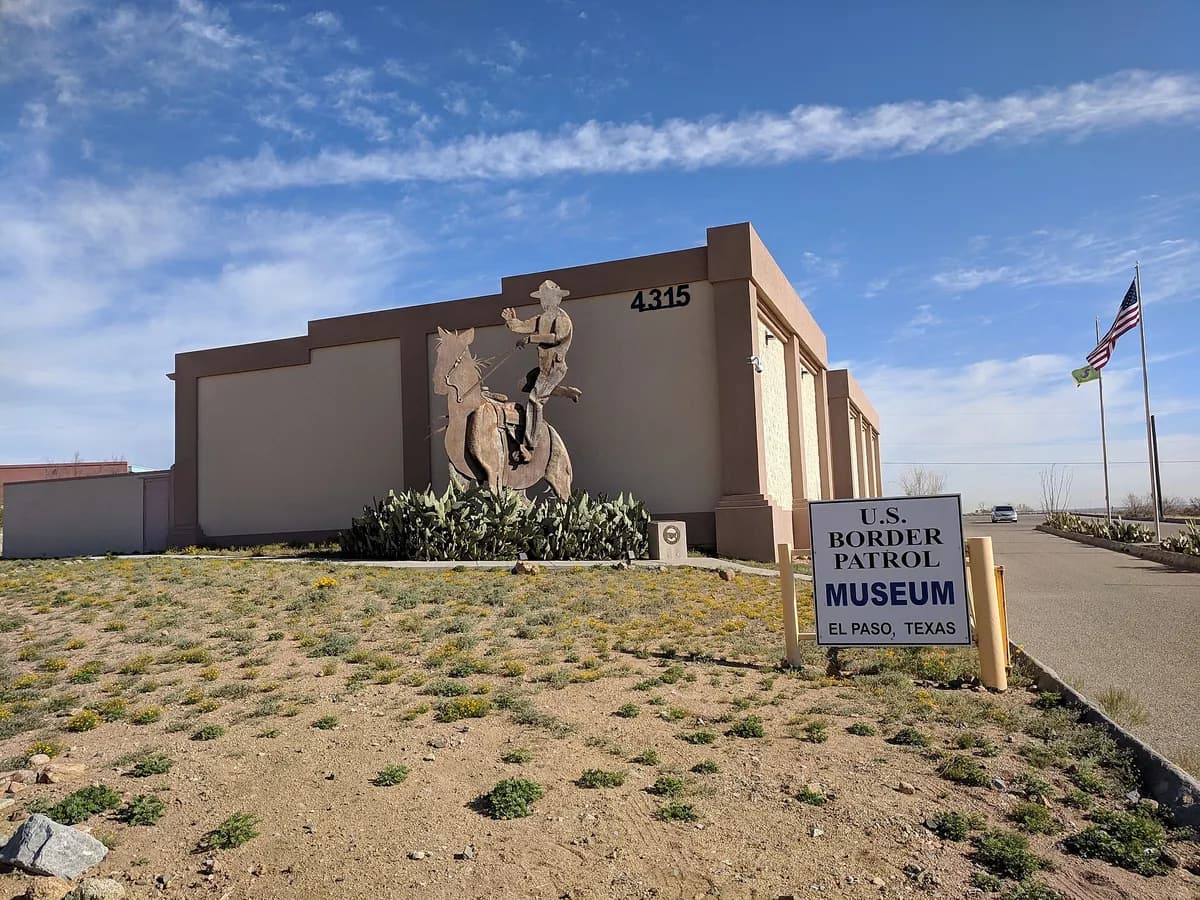
Its El Paso setting connects an institutional history with the wider border region. The museum is a visitor attraction separate from active government checkpoints or operational facilities.
Check current opening hours and gallery notices before arriving on Woodrow Bean Transmountain Drive. The firearms exhibit is being updated, with a selection temporarily shown elsewhere and reopening planned later in 2026. Group tours require their own arrangements, and visitors should review accessibility and museum policies before arrival.
Visitor details reviewed October 18, 2026. Check official visitor information for current access, admission, and operating arrangements. View on OpenStreetMap.
Image credit: Susan Barnum / Wikimedia Commons. Original source. CC BY-SA 4.0. Resized and converted to WebP; may be cropped for display.
Nearby
More places nearby
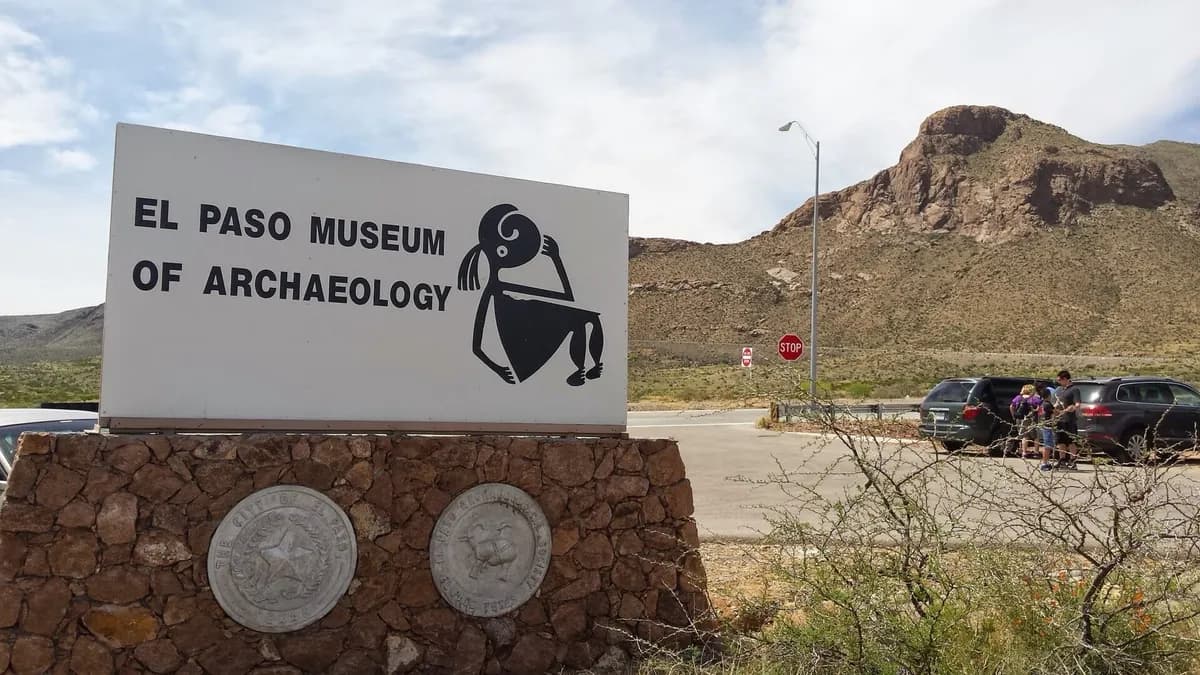 El Paso Museum of ArchaeologyOn Transmountain Road, El Paso Museum of Archaeology explores the long human history of the surrounding borderlands, Southwest, and northern Mexico. Dioramas and objects connect the lives of Indigenous communities with a landscape extending far beyond the modern city.
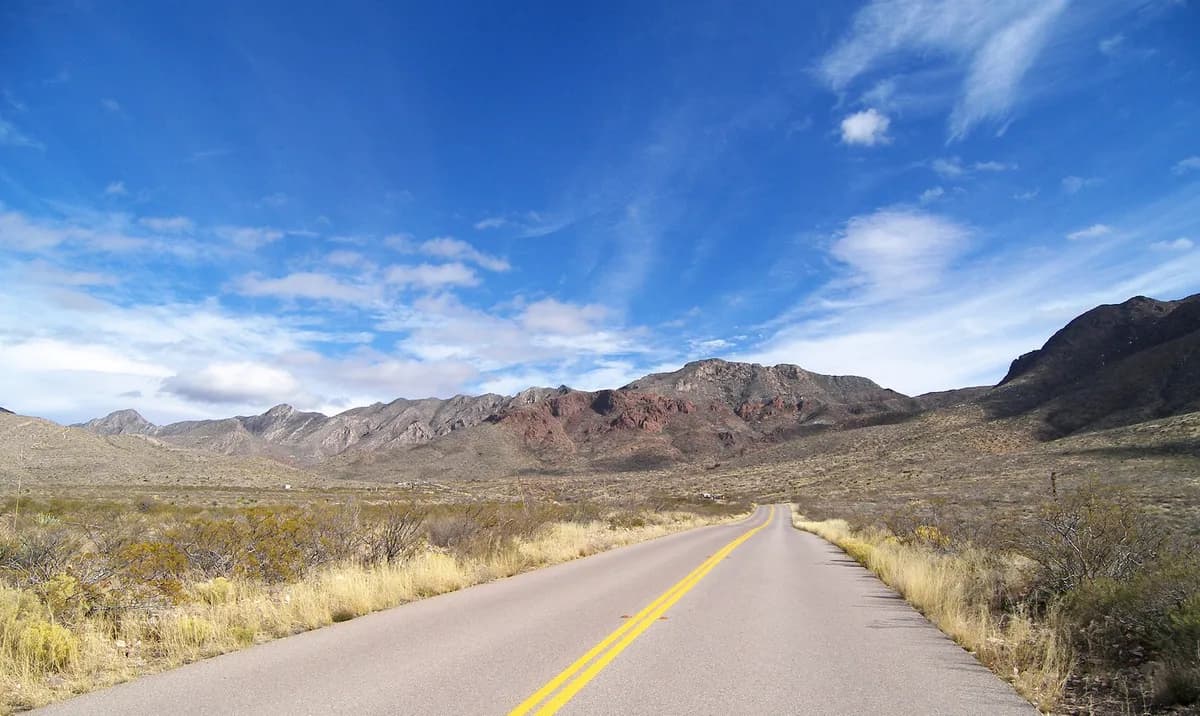 Franklin Mountains State ParkFranklin Mountains State Park protects a rugged desert mountain landscape within El Paso.
 Concordia CemeteryConcordia Cemetery preserves a large and varied burial landscape in El Paso.
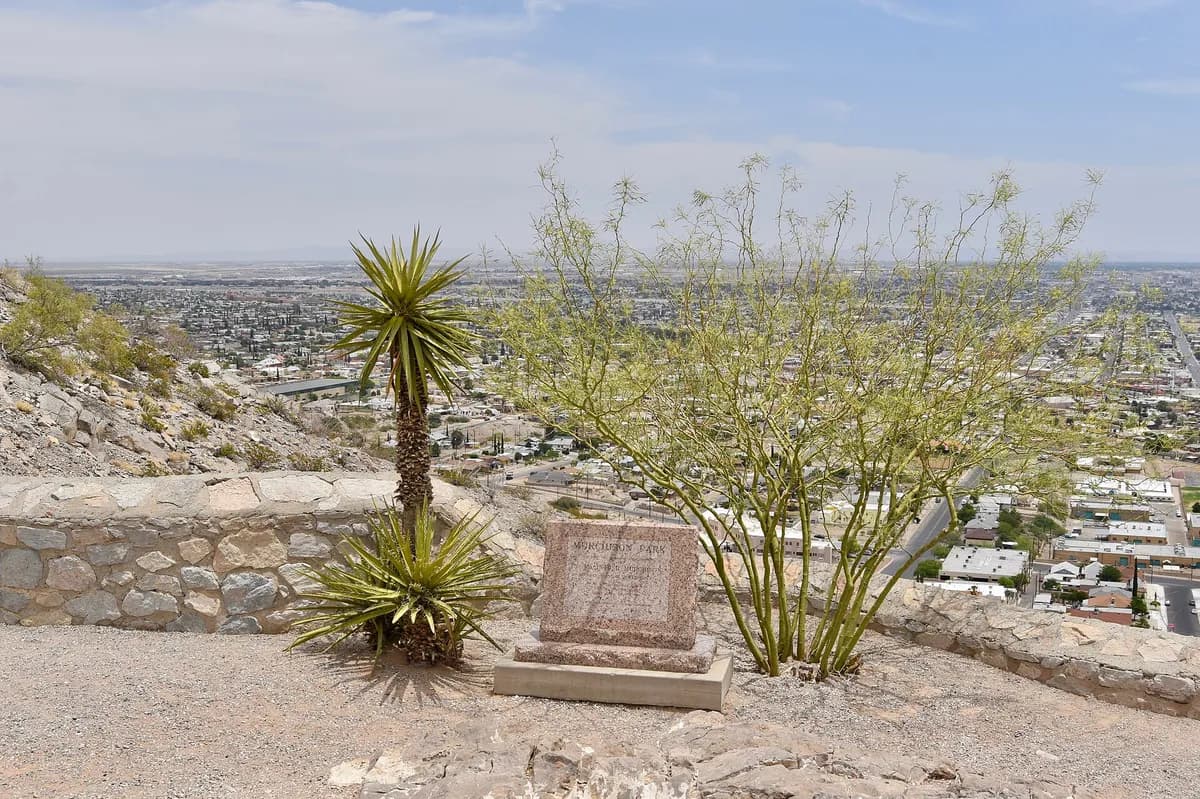 Scenic Drive OverlookScenic Drive Overlook offers an elevated view across El Paso and the surrounding border landscape.
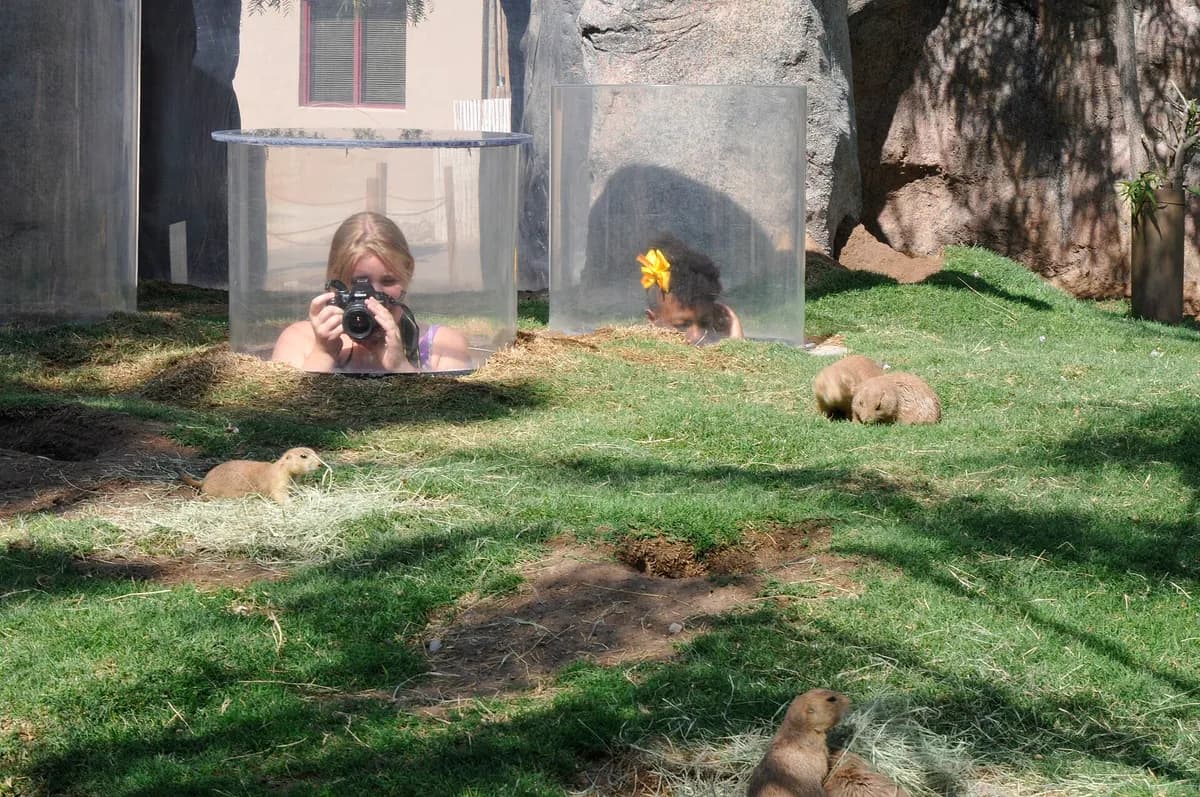 El Paso ZooEl Paso Zoo offers a wildlife-focused outing within the city, with animal habitats and conservation interpretation across its grounds. It works well for visitors who want a dedicated outdoor attraction rather than a short stop between downtown museums.
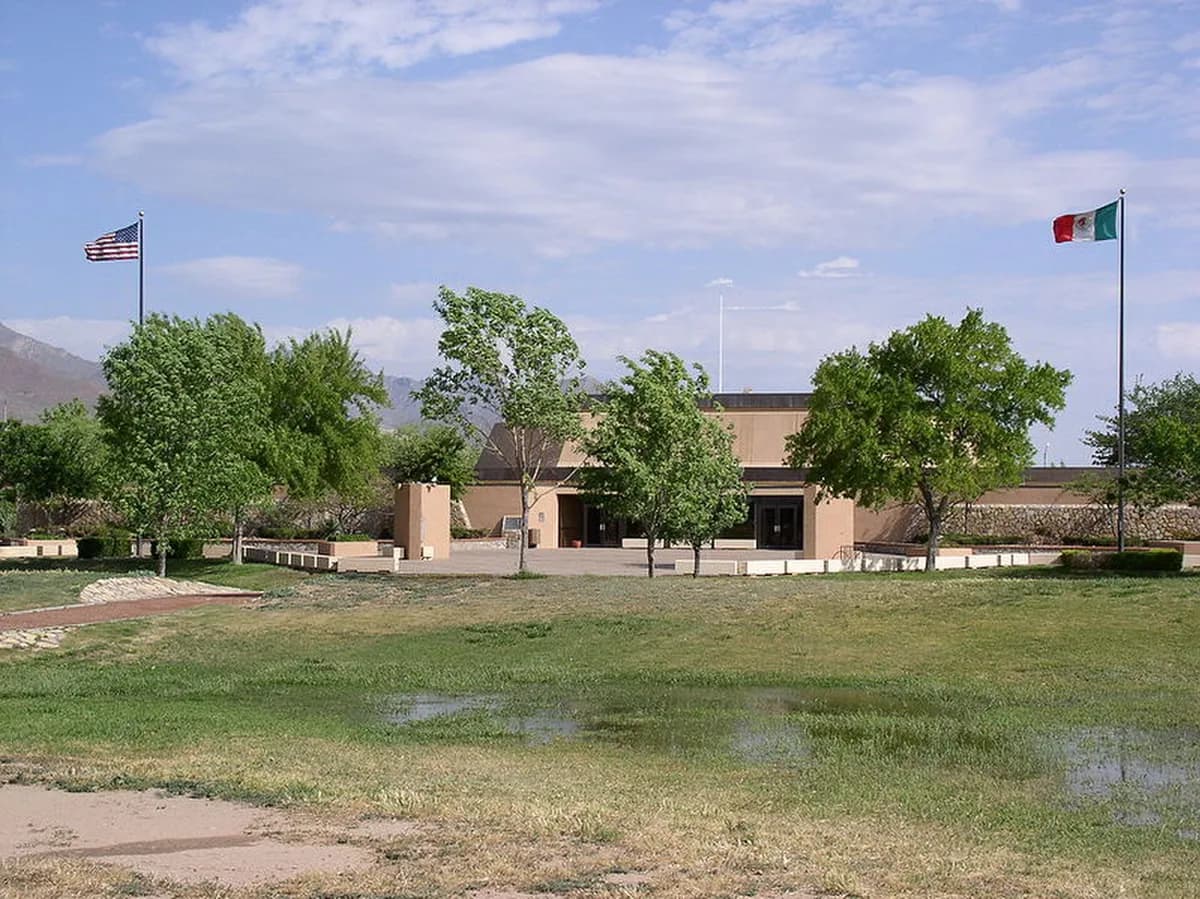 Chamizal National MemorialChamizal commemorates the peaceful resolution of a boundary dispute between the United States and Mexico. In El Paso, its landscape and cultural interpretation offer a place to consider how a shifting river shaped both an international border and neighbouring communities.