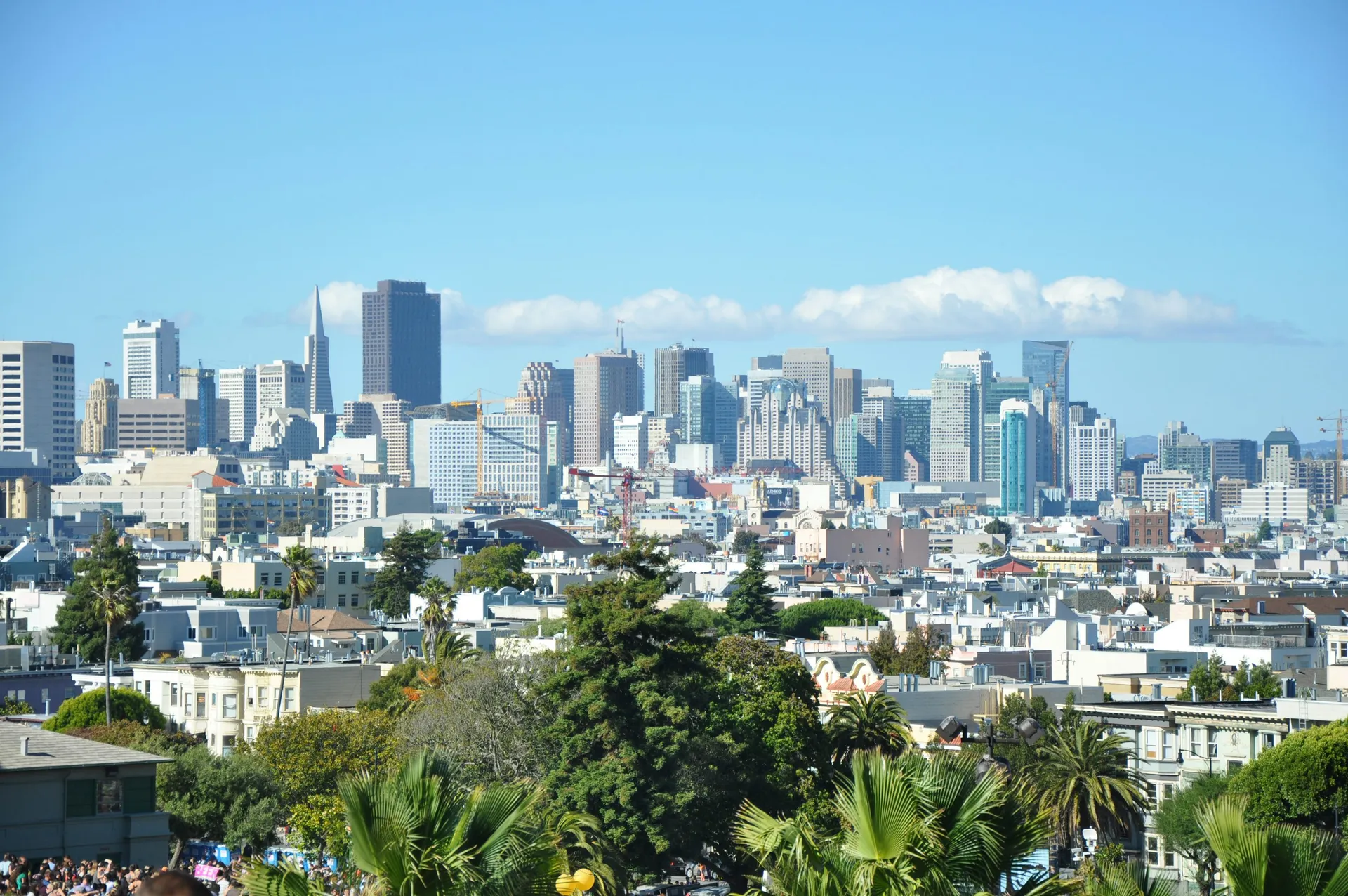
San Francisco occupies the northern tip of a peninsula, with the Pacific Ocean to the west, San Francisco Bay to the east, and the Golden Gate opening to the north. Hills break up the street grids, so dense residential blocks, neighborhood shopping streets, and broad views of the water are often close together.
The area is the homeland of the Yelamu, part of the Ramaytush Ohlone peoples, whose presence continues today. Spanish colonization established the Presidio and Mission Dolores in 1776, with devastating consequences for Indigenous communities. The later bayside settlement of Yerba Buena took the name San Francisco in 1847. During the Gold Rush, it became a major seaport as people and supplies passed through on their way to the mining regions. Merchants, maritime workers, and newcomers from many countries helped the port grow into a much larger city.
The earthquake and fires of 1906 destroyed large parts of San Francisco, and the rebuilding reshaped its streets and buildings. The Golden Gate Bridge opened in 1937, creating a road connection to Marin County across the strait.
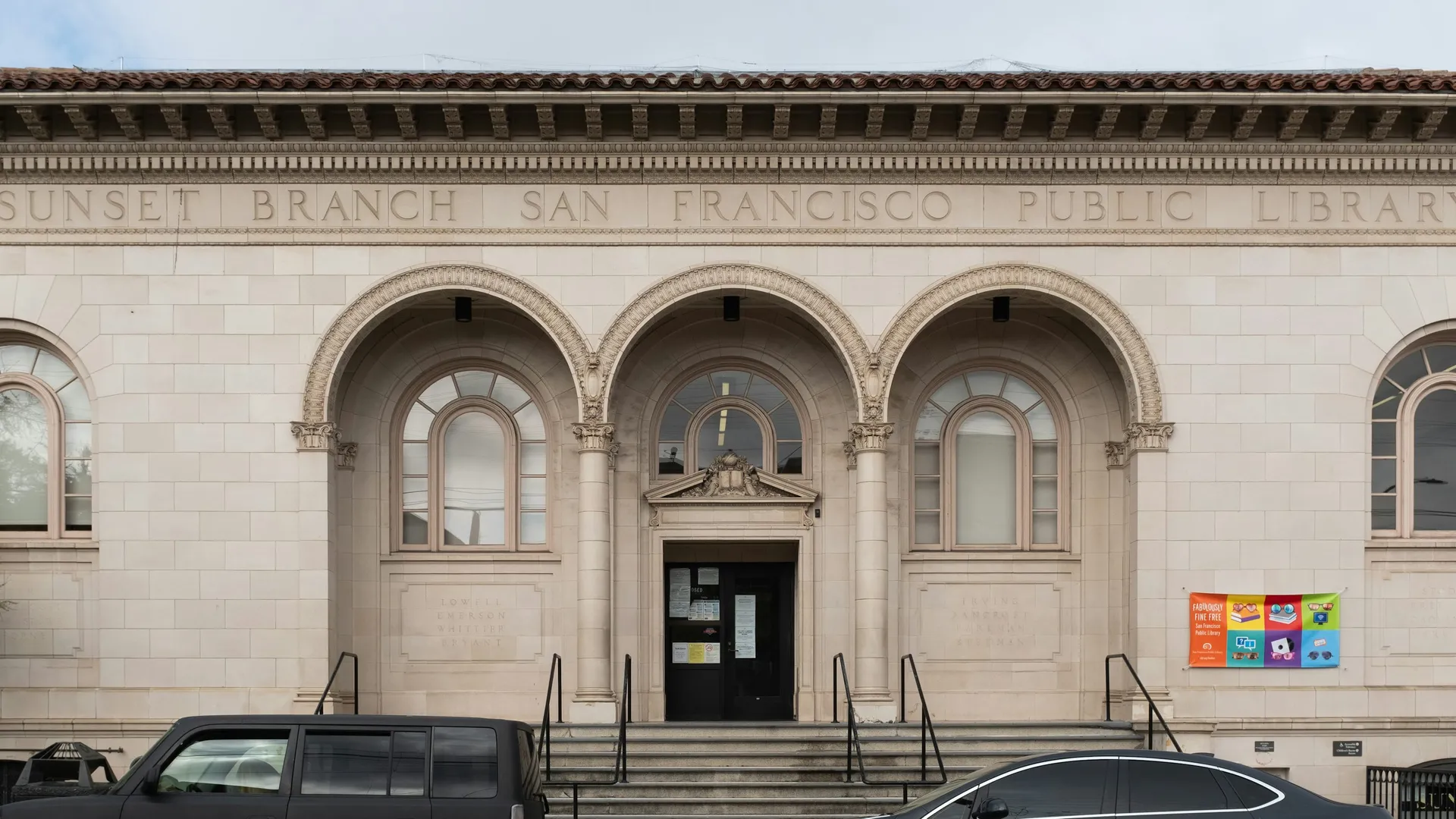
Today, the eastern waterfront and downtown business districts are one part of a city with many neighborhood centers. The Mission, Chinatown, and the Richmond and Sunset districts to the west each have their own shopping streets and community histories. Golden Gate Park stretches across much of the western city, and the former military grounds of the Presidio are now part of a national park. The city's scale comes through in the way busy streets, steep hills, and open shoreline sit so close together.