


Explorez les quartiers et découvrez de plus près les lieux qui vous intéressent.
Guide de la ville StrollPlace · AZ
Phoenix
A Sonoran Desert capital where canal routes and mountain preserves cut across the modern street grid.
En bref
~1,7 MPopulation2025 estimation
~35 ansÂge médian2020–2024 estimation
Photo 1 sur 1

Crédits et licence de l’image
Auteur : Nils Huenerfuerst
Licence : Unsplash License
Modifications : Resized and converted to WebP; may be cropped to fit the display
À propos de Phoenix
Phoenix is Arizona’s capital and largest city, occupying part of the broad Salt River Valley in the Sonoran Desert. Mountain preserves interrupt the urban grid, while canals carry water through a landscape now filled with homes, shops and workplaces. The canals have a history much older than the modern city. Ancestral Sonoran Desert People built extensive irrigation works to support villages and fields; S’edav Va’aki Museum interprets that landscape and its connections with O’odham communities. Beside the museum, the Grand Canal, constructed by settlers in 1878, is believed to follow an ancestral canal route. The farming settlement that became Phoenix developed after Jack Swilling’s irrigation company began work in 1867. It incorporated in 1881 and became the territorial capital in 1889, before Arizona achieved statehood. During and after the Second World War, military activity, industry and population growth helped turn the agricultural center into a much larger city. Today, Downtown’s civic buildings, arts venues and university activity form only one part of Phoenix. Established districts such as Encanto and Maryvale, the agricultural history of Laveen and the foothill setting of Ahwatukee belong to the same municipality, organized into fifteen urban villages. North Phoenix’s Sonoran Preserve offers another setting, with desert trails among the hills. The relationship between engineered water routes and the surrounding desert remains visible: a canal and a mountain ridge can be as useful for understanding the city as one of its main avenues.
Guide de la ville
Vivre à Phoenix
Découvrez la ville à travers son histoire et son quotidien.
Thème 1 sur 3
Urban villages cover different parts of Phoenix
Phoenix’s village map divides a very large city into planning areas with their own cores. Encanto’s core includes Park Central and the surrounding mid-density area, while Ahwatukee Foothills has a predominantly low-rise residential landscape near South Mountain.
These village names describe broad areas rather than individual subdivisions. Village planning committees address land-use questions within Phoenix; the villages are not separate municipal governments.
Thème 2 sur 3
Two light rail lines meet Downtown
The South Central extension opened in June 2025 as part of a two-line rail network. The A Line runs between the Downtown Hub and Gilbert Road/Main Street in Mesa, and the B Line runs between Metro Parkway in northwest Phoenix and Baseline Road/Central Avenue.
The Downtown Hub is the connection between those east–west and north–south corridors. Areas away from the rail lines rely on other connections, so a Phoenix mailing address alone says little about access to a station.
Thème 3 sur 3
Parks and libraries beyond the Downtown core
Encanto Park combines a lagoon landscape with playing fields, courts, picnic areas and a playground. Its pool, sports complex and golf courses are distinct facilities within the wider recreation setting.
Phoenix Public Library combines neighborhood branches, Burton Barr Central Library and a bookmobile. Its distributed branches provide local reading and learning destinations across the city.
Quartiers et districts de Phoenix

Phoenix

Aperçu du logement
Aperçu du coût du logement et de l’accession à la propriété à Phoenix. Les chiffres peuvent différer du marché actuel. Sélectionnez une icône d’information pour voir les détails et les périodes de référence.
Valeur médiane des logements
Valeur médiane des logements
Valeur médiane des logements occupés par leurs propriétaires dans la zone étudiée.
- Source
- U.S. Census Bureau 2024 ACS 5-Year B25077
- Période de référence
- 1 janv. 2020–31 déc. 2024
Les valeurs affichées sont arrondies.
Sources et notes sur les données~$420k
7 % au-dessus de la médiane de l’État
Loyer médian
Loyer médian
Loyer mensuel médian, charges estimées comprises.
- Source
- U.S. Census Bureau 2024 ACS 5-Year B25064
- Période de référence
- 1 janv. 2020–31 déc. 2024
Les valeurs affichées sont arrondies.
Sources et notes sur les données~$1,6k/mois
3 % au-dessus de la médiane de l’État
Logements occupés par leur propriétaire
Logements occupés par leur propriétaire
Part des logements occupés par leurs propriétaires.
- Source
- U.S. Census Bureau 2024 ACS 5-Year B25003
- Période de référence
- 1 janv. 2020–31 déc. 2024
Les valeurs affichées sont arrondies.
Sources et notes sur les données~57%
Revenu médian des ménages
Revenu médian des ménages
Estimation du revenu médian des ménages pendant la période de référence.
- Source
- U.S. Census Bureau 2024 ACS 5-Year B19013
- Période de référence
- 1 janv. 2020–31 déc. 2024
Les valeurs affichées sont arrondies.
Sources et notes sur les données~$81k/an
2 % au-dessus de la médiane de l’État
Dans les environs
Lieux à connaître
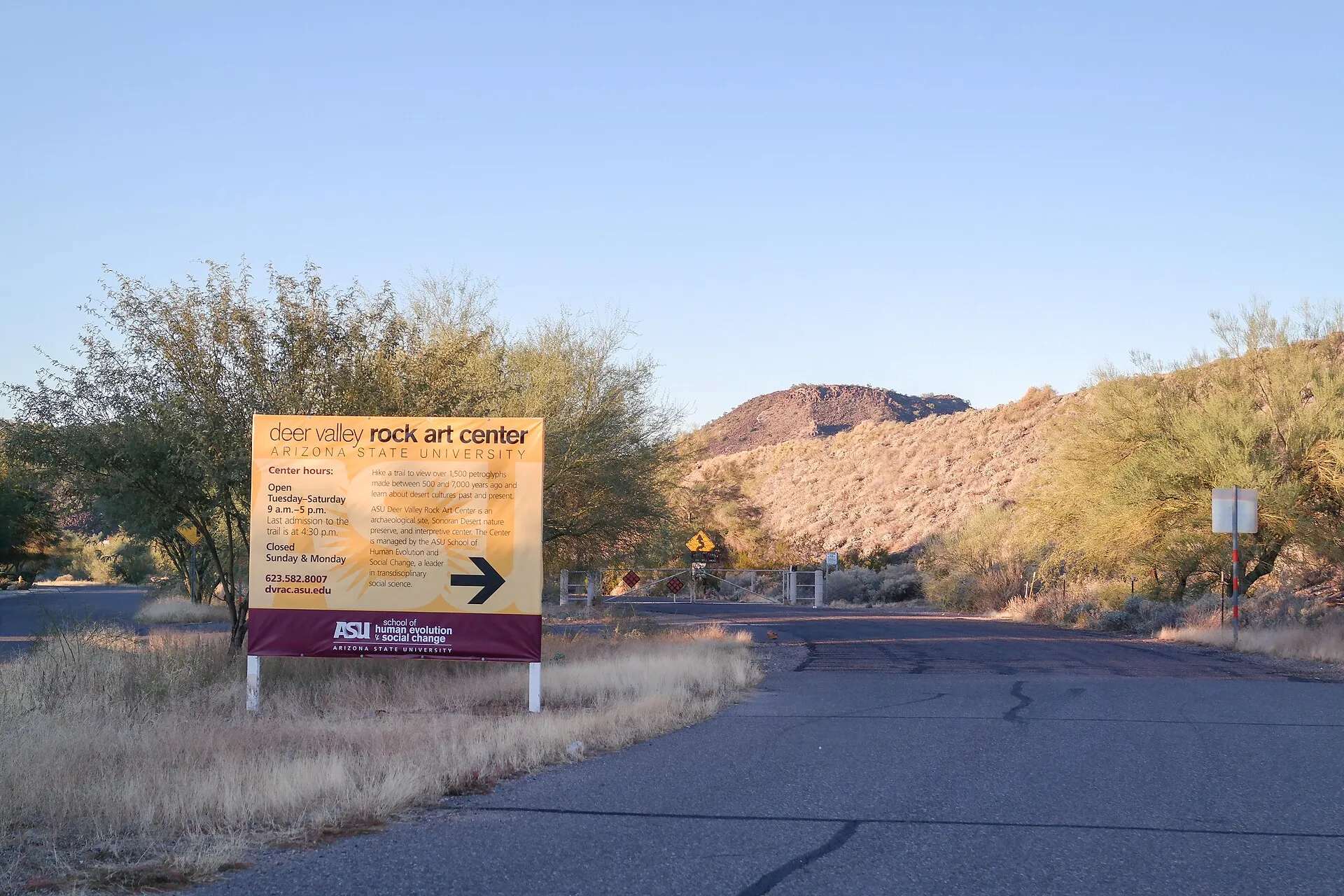
Deer Valley Petroglyph Preserve
Deer Valley Petroglyph Preserve protects a significant rock-art landscape in northern Phoenix.
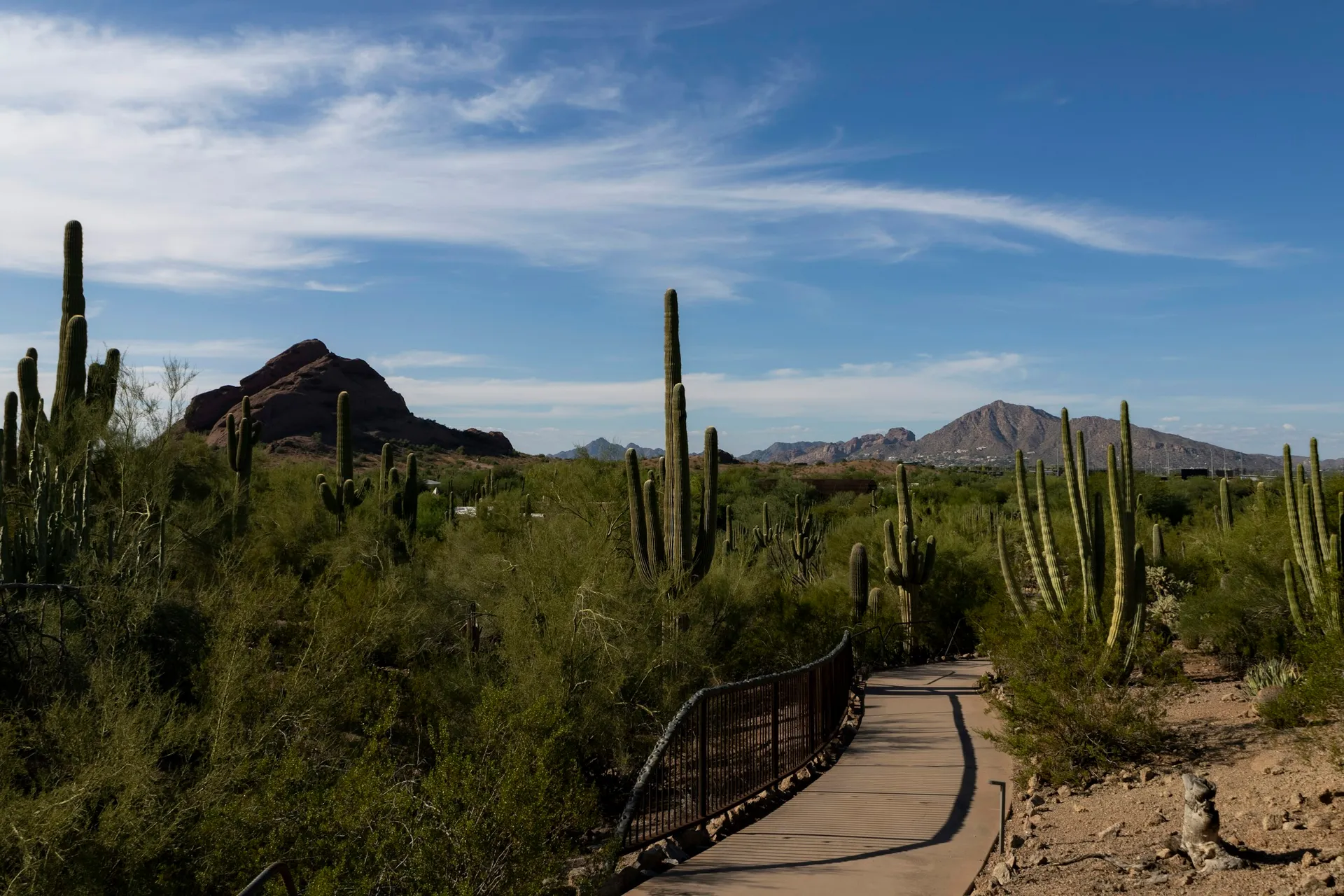
Desert Botanical Garden
Desert Botanical Garden introduces the variety of desert plants through outdoor trails and cultivated displays in Phoenix.
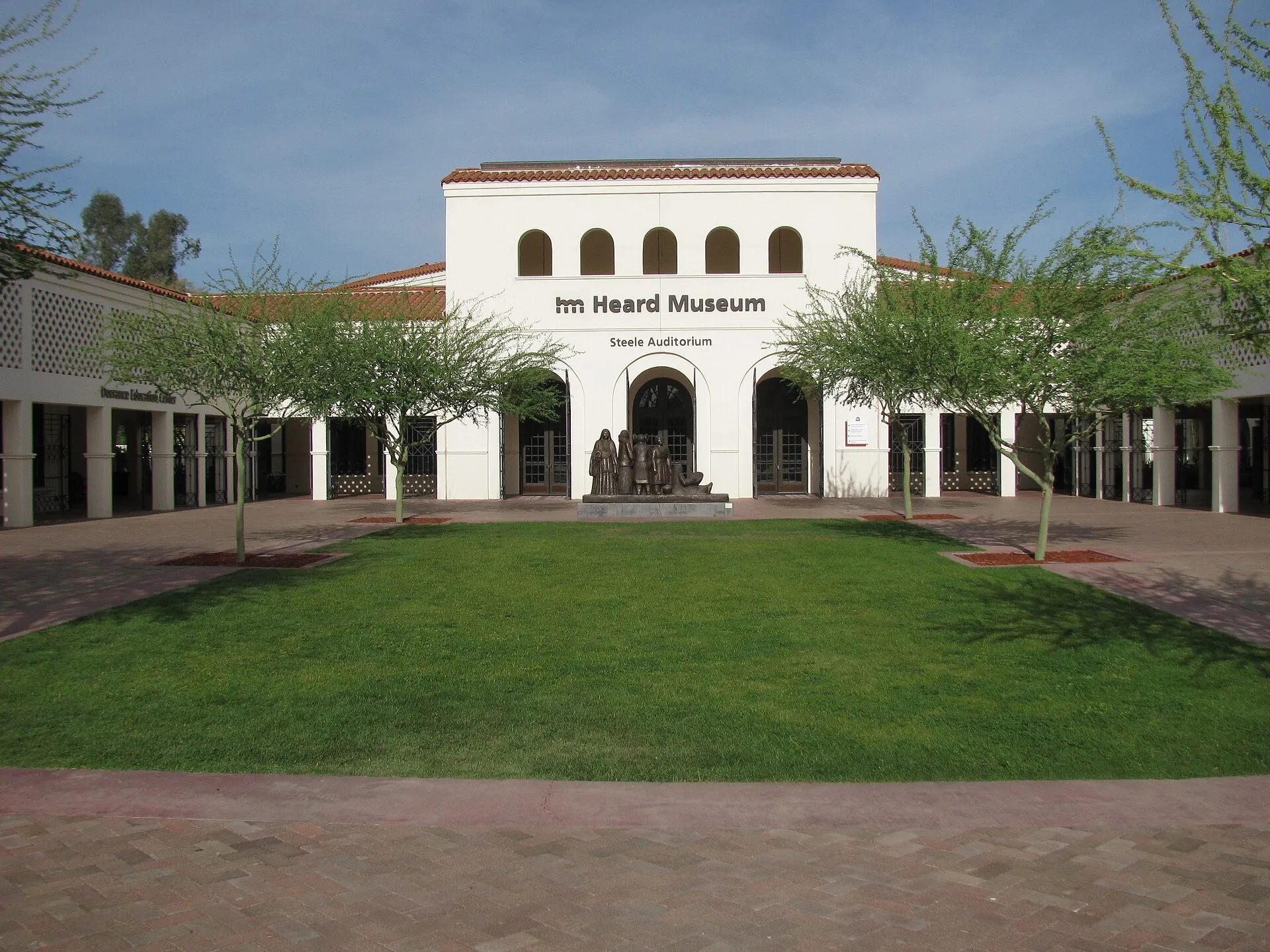
Heard Museum
The Heard Museum focuses on American Indian art and culture through historical and contemporary work in Phoenix.
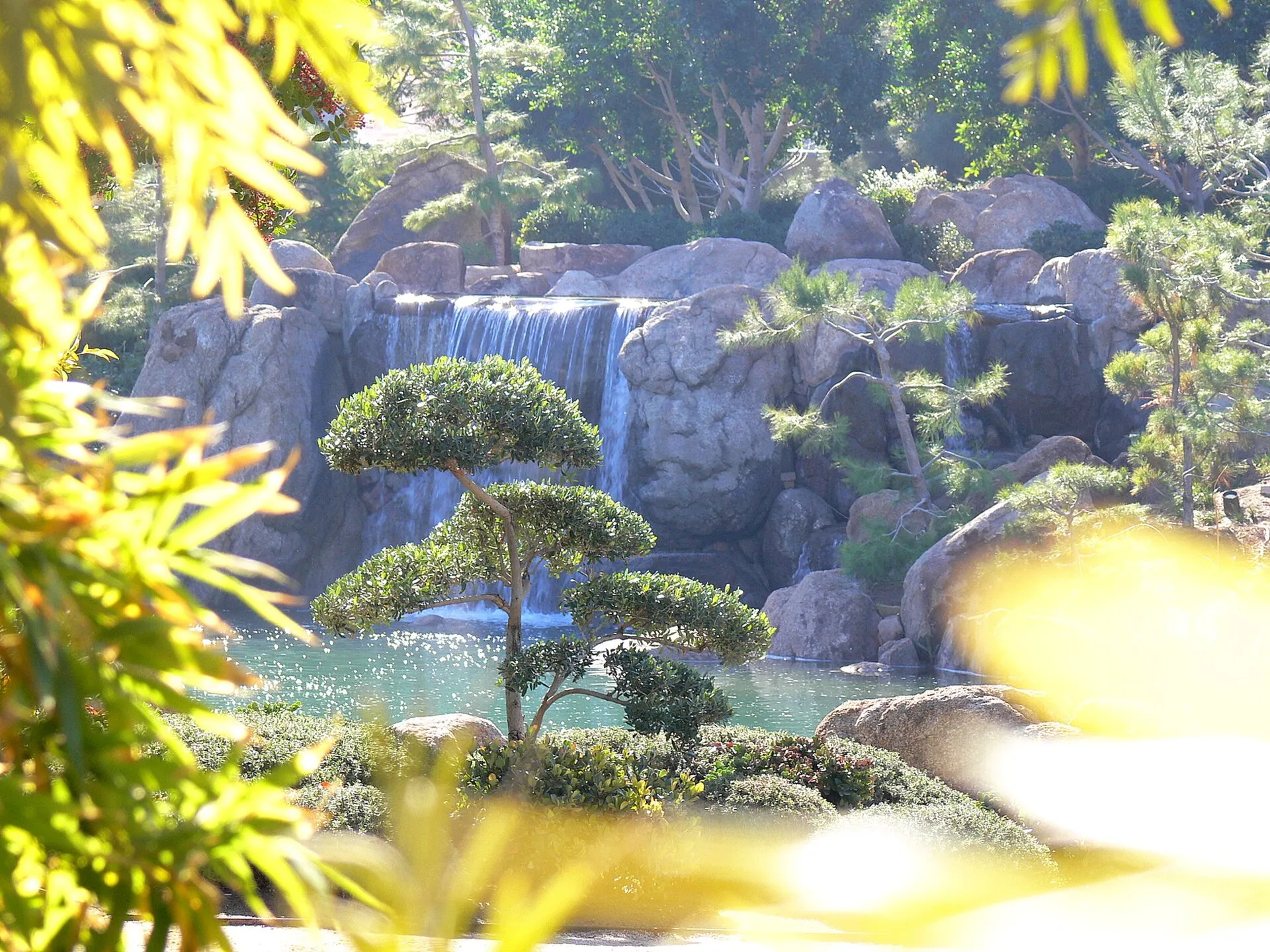
Japanese Friendship Garden of Phoenix
The Japanese Friendship Garden of Phoenix, also known as Ro Ho En, brings a pond, stone arrangements, planted paths, and carefully composed views to the city center.
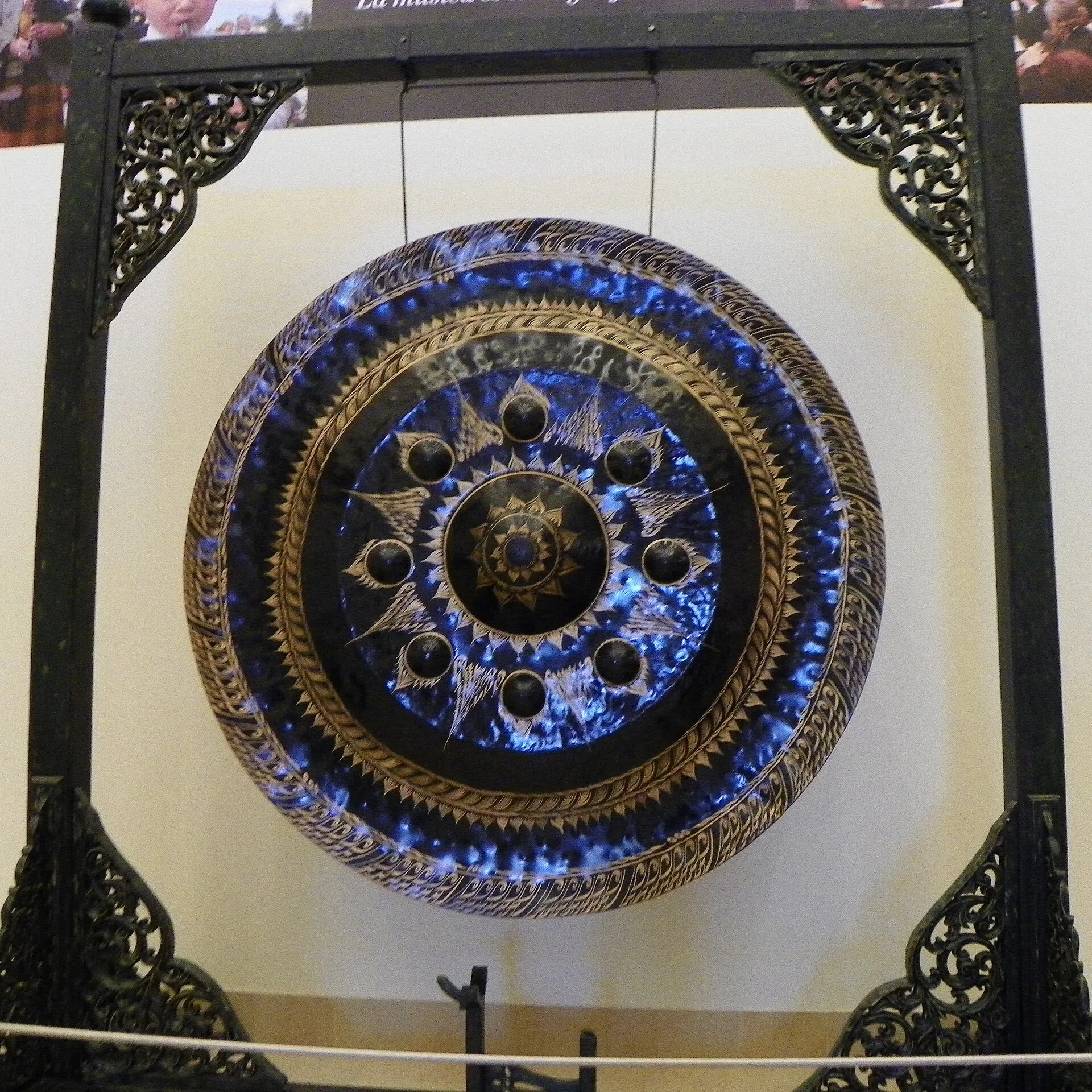
Musical Instrument Museum
The Musical Instrument Museum in north Phoenix explores music through instruments and performance traditions from around the world.
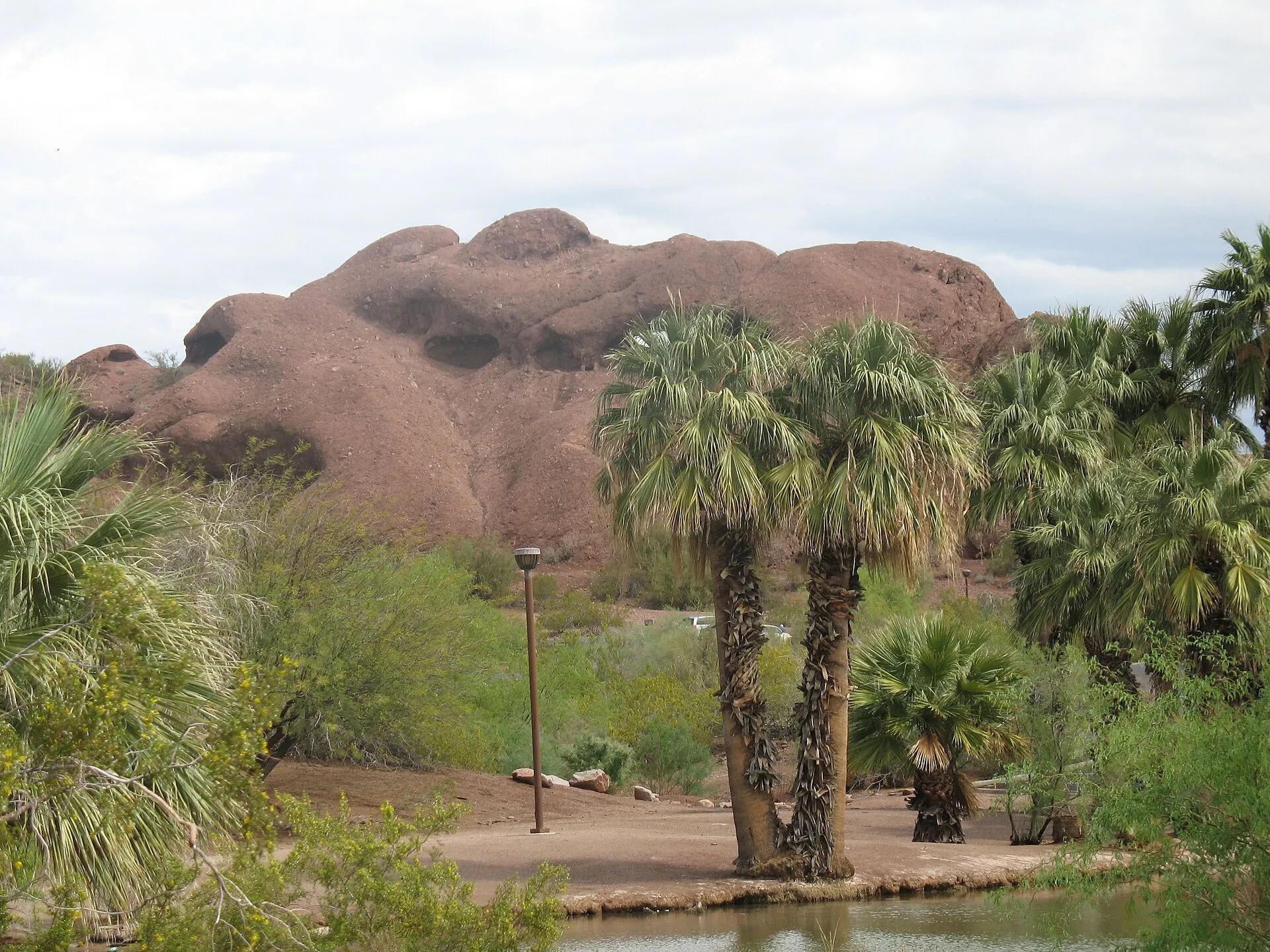
Papago Park
Papago Park offers desert trails, sandstone formations and open landscapes in Phoenix.
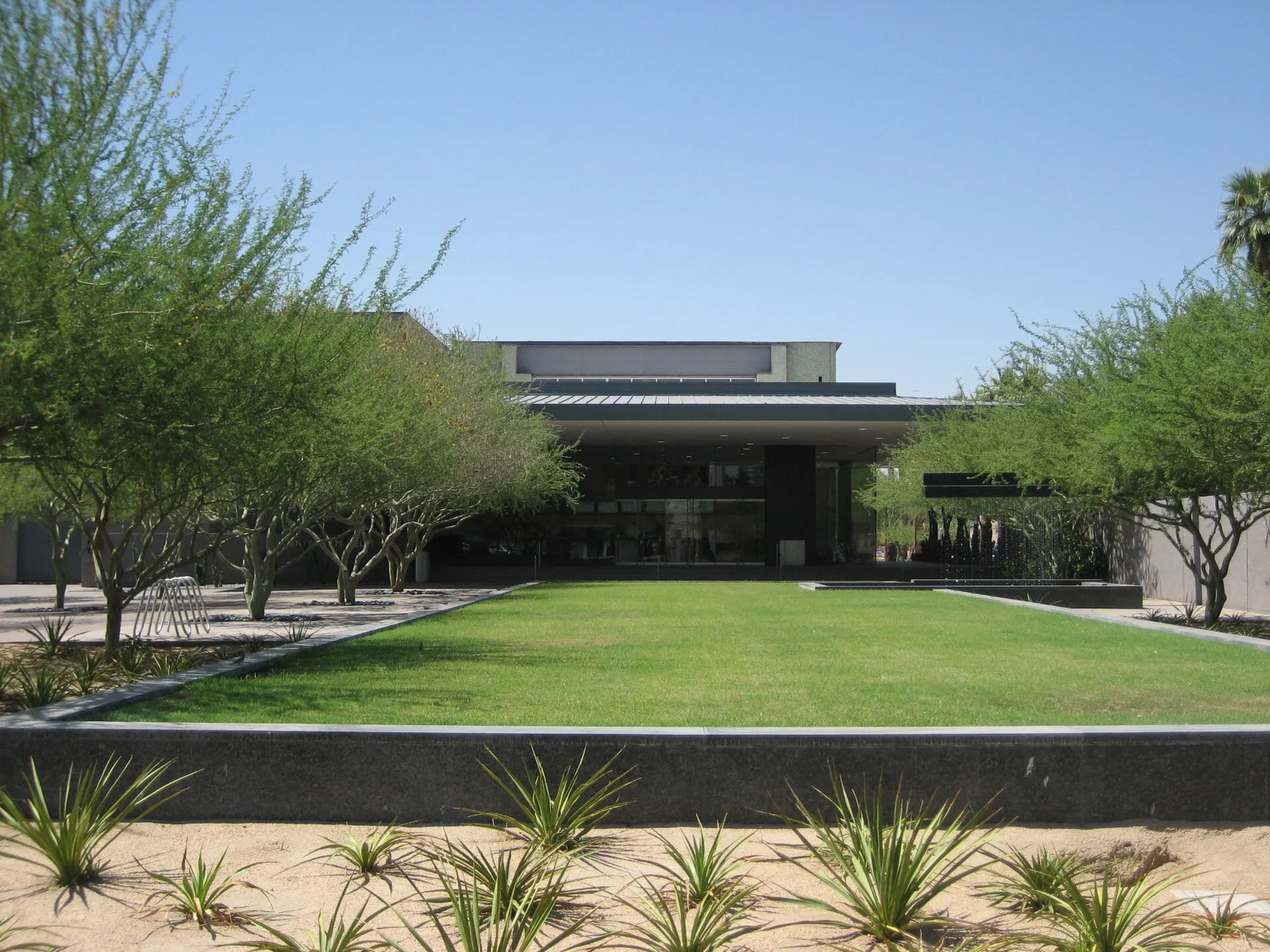
Phoenix Art Museum
Phoenix Art Museum combines collections from different periods with fashion, photography, contemporary work, and changing exhibitions.
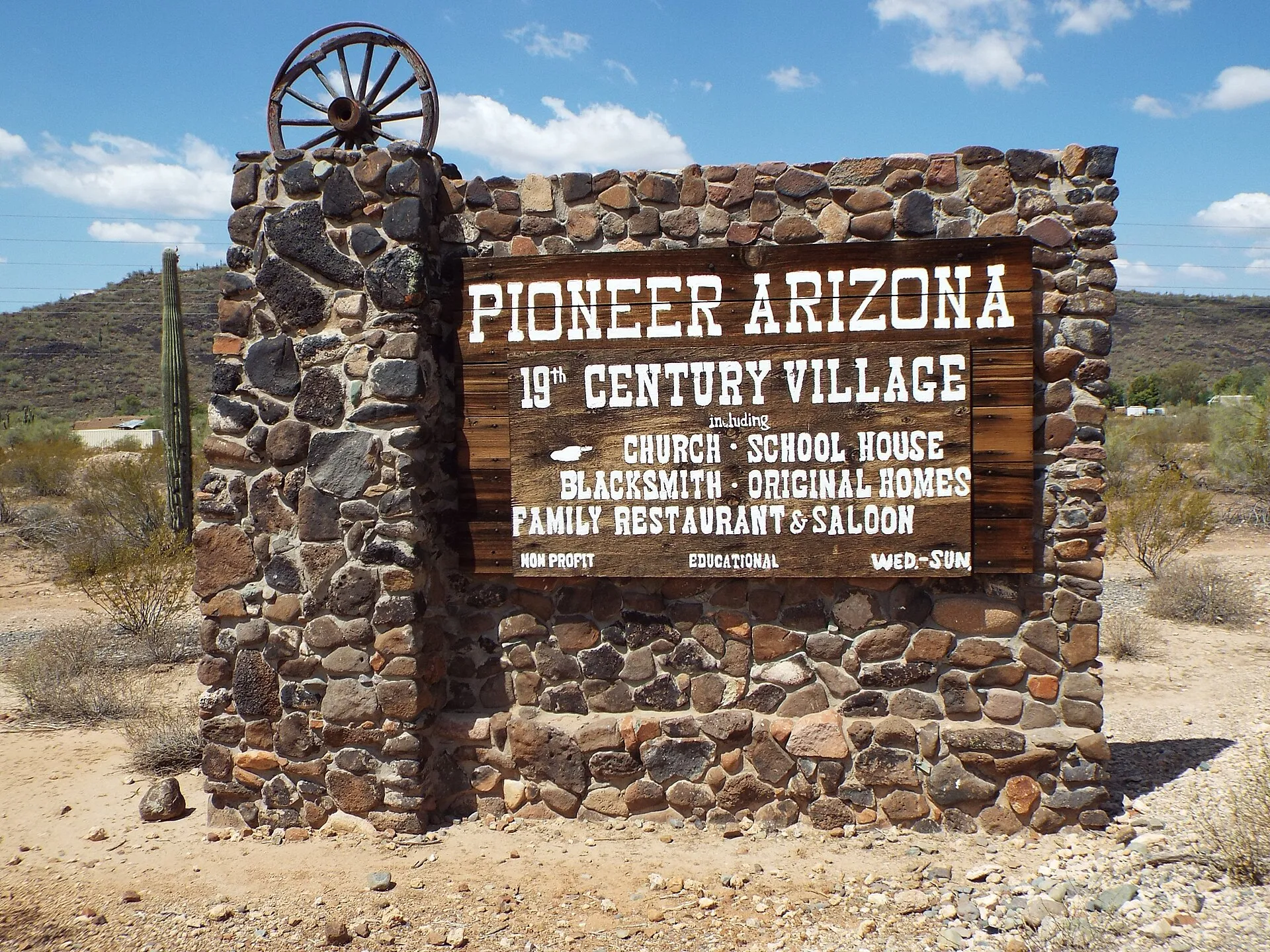
Pioneer Living History Museum
Pioneer Living History Museum presents nineteenth-century buildings and material in northern Phoenix.


Sources et notes sur les donnéesRéférences, périodes de référence et conseils de lecture
Cette page rassemble des informations de plusieurs sources à titre indicatif. Elles peuvent être incomplètes ou obsolètes. Nous ne garantissons ni leur exactitude, ni leur exhaustivité, ni leur actualité. Avant de prendre une décision, vérifiez les éléments importants auprès de la source d’origine, de l’autorité compétente ou d’un professionnel qualifié.
Chaque statistique conserve sa période de référence. Les estimations issues d’enquêtes ne sont ni des prix demandés actuellement ni des devis pour un bien précis. Les valeurs affichées sont arrondies.
Comprendre les chiffres
- Valeur médiane des logementsValeur médiane des logements occupés par leurs propriétaires dans la zone étudiée.Période de référence : 1 janv. 2020–31 déc. 2024Source : U.S. Census Bureau 2024 ACS 5-Year B25077
- Loyer médianLoyer mensuel médian, charges estimées comprises.Période de référence : 1 janv. 2020–31 déc. 2024Source : U.S. Census Bureau 2024 ACS 5-Year B25064
- Taux de propriétaires occupantsPart des logements occupés par leurs propriétaires.Période de référence : 1 janv. 2020–31 déc. 2024Source : U.S. Census Bureau 2024 ACS 5-Year B25003
- Revenu médian des ménagesEstimation du revenu médian des ménages pendant la période de référence.Période de référence : 1 janv. 2020–31 déc. 2024Source : U.S. Census Bureau 2024 ACS 5-Year B19013
Références
- City geography and village coresCity of Phoenix — Urban villages mapSource vérifiée le
- Planning and neighborhood settingCity of Phoenix — Encanto VillageSource vérifiée le
- Southern village and housing settingCity of Phoenix — Ahwatukee FoothillsSource vérifiée le
- Two-line light rail networkCity of Phoenix — South Central / Downtown Hub openingSource vérifiée le
- Recreation facilitiesCity of Phoenix — Encanto ParkSource vérifiée le
- Library networkCity of Phoenix — Phoenix Public LibrarySource vérifiée le
- Ancestral Sonoran Desert irrigation, O’odham songs and Grand Canal’s 1878 construction along an ancestral alignmentCity of Phoenix S’edav Va’aki Museum — Outdoor TrailsSource vérifiée le
- Ancestral O’odham and Sonoran Desert people, historic O’odham and Piipaash communities; do not portray Indigenous people as vanishedCity of Phoenix — ArchaeologySource vérifiée le
- 1867 canal company, 1881 incorporation, 1889 territorial capital and postwar growth; obsolete/unsupported disappearance narrative excludedCity of Phoenix — City HistorySource vérifiée le
- North Phoenix desert preserve and trails; no unrestricted summer-access claimCity of Phoenix — Sonoran PreserveSource vérifiée le
- City statistics · Comparaison du logement à l’échelle de l’ÉtatU.S. Census Bureau 2024 ACS 5-Year B25003Reporting period: 1 janv. 2020–31 déc. 2024.
- City statisticsU.S. Census Bureau Vintage 2025 Subcounty EstimatesReporting period: 1 juil. 2025.
- City statisticsCensus 2025 population and land area (EveryCity compilation)Reporting period: 1 juil. 2025.
Crédits photo
- A view of a city with tall buildings — Phoenix, AZCrédits et licence de l’image
Auteur : Nils Huenerfuerst
Licence : Unsplash License
Modifications : Resized and converted to WebP; may be cropped to fit the display