


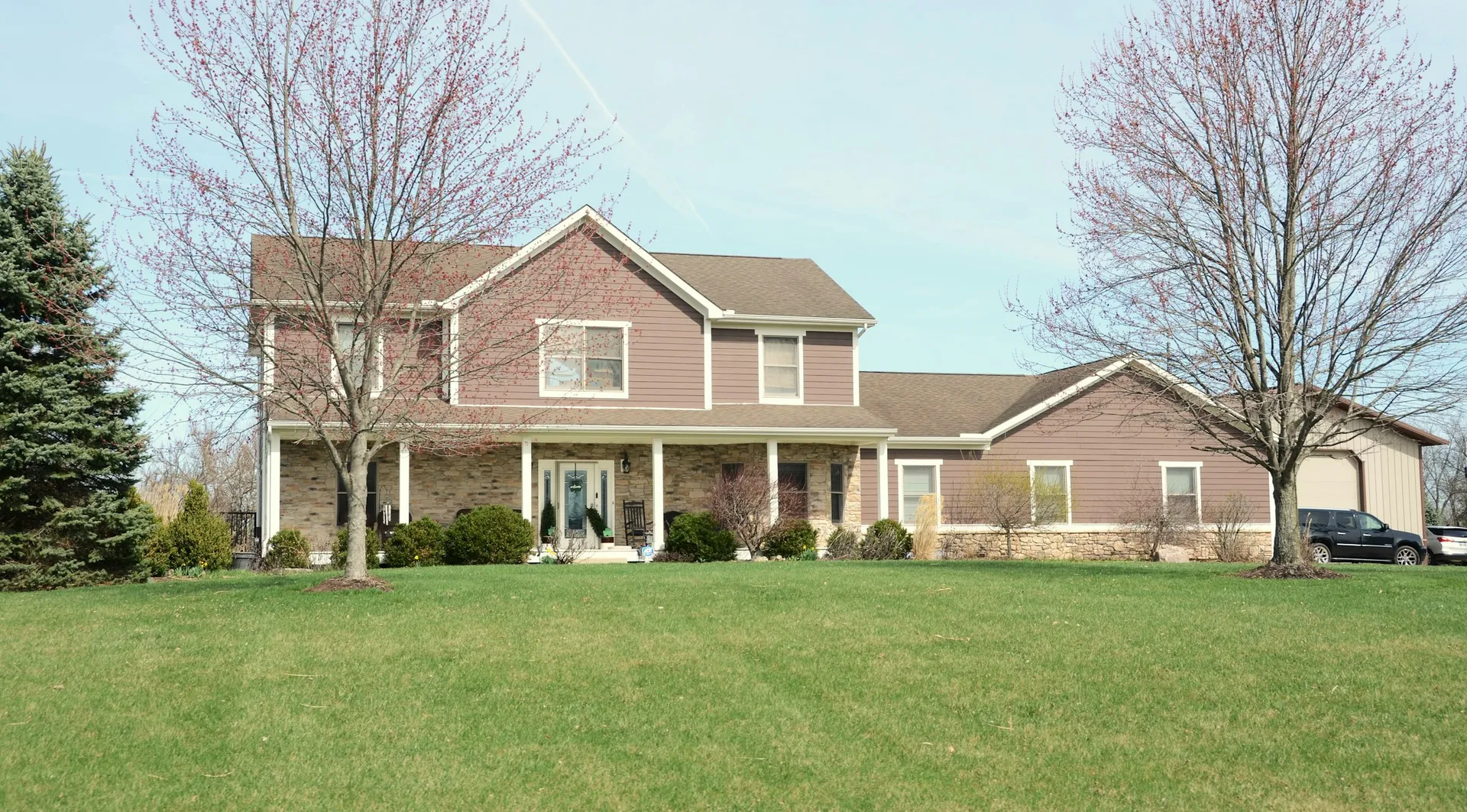
Photo: Roger Starnes Sr / Unsplash · Unsplash License. Illustrative photograph; resized and converted to WebP. Display layouts may crop it.
Imagine finding a house that seems to have everything you've been looking for. A beautiful kitchen. A spacious backyard. Plenty of natural light. And a price that fits your budget. You can already picture yourself living there. But what happens after moving day? What if your daily commute takes longer than expected? What if homeowners insurance costs more than you anticipated? What if that quiet, undeveloped lot across the street eventually becomes a construction site?
These are the kinds of details that property listings don't always reveal. Buying a home isn't just about choosing a property. It's about choosing a location and the everyday life that comes with it. Before making one of your biggest financial decisions, here are 10 important things worth researching.
1. Get to Know the Neighborhood Beyond the Listing Photos
A neighborhood can feel very different depending on when you visit. A peaceful residential street on Sunday morning might experience heavy traffic during weekday rush hour. An area that feels lively during the day might be much quieter after businesses close. Property photos rarely tell you what the surrounding streets are like. What to research:
Visit the neighborhood at different times of day, if possible.
Explore nearby streets, not just the block where the house is located.
Observe traffic, pedestrian activity, and general noise levels.
Look at sidewalks, street lighting, public spaces, and other infrastructure.
Review available information from local public agencies about issues important to you.
If you're buying from another state, use online maps, street-level imagery, and local neighborhood resources to begin your research. Keep in mind that online images may be outdated and a short visit offers only a snapshot of everyday conditions. The goal isn't to find a universally perfect neighborhood. It's to understand whether the surroundings match your lifestyle and priorities.
2. Find Out What Your Daily Commute Will Really Look Like
A home that's only 10 miles from work might sound convenient. But distance doesn't always translate into a short commute. Traffic congestion, highway access, public transportation schedules, and parking can make a significant difference. Before buying, consider how you'll actually get around. Questions worth asking:
How long does the commute take during your normal working hours?
Are there practical alternative routes?
Is public transportation available and frequent enough for your needs?
Will you need to pay for parking?
How easy is it to reach places you visit regularly?
Even if you work remotely, transportation still matters. Think about trips to grocery stores, medical appointments, recreational activities, and other everyday destinations. A less expensive home farther from your usual destinations may come with higher transportation costs and more time spent traveling. Instead of comparing homes by distance alone, compare the actual trips you'll make throughout the week.
3. Check Access to Everyday Essentials
When you're searching for a home, it's easy to focus on the exciting features. A large backyard. An outdoor patio. A beautifully renovated bathroom. But everyday convenience often depends on what's available beyond your front door. Think about an ordinary weekday in your future neighborhood. Where will you buy groceries? How far is the nearest pharmacy? Is there somewhere nearby to exercise or walk your dog?
Explore the availability of:
Grocery stores, pharmacies, and everyday shopping.
Healthcare providers and medical facilities.
Parks, walking trails, and recreational spaces.
Restaurants, coffee shops, and local services.
Childcare facilities, libraries, and community resources.
A business that appears close on a map may still require a long drive because of road layouts, limited crossings, or other access issues. Check actual travel routes and operating hours rather than relying on distance alone. And remember: having everything nearby isn't everyone's priority. Some people prefer walkable neighborhoods with convenient services. Others value more space and don't mind driving. What matters is finding the balance that works for you.
4. Research Schools and Educational Options
If education is important to your household, school research should be part of your homebuying process. In many U.S. communities, public school assignments depend on the home's address and the policies of the local school district. However, enrollment rules, attendance boundaries, school choice programs, and transportation options vary by location. Before buying, investigate:
Which public school district serves the address.
How the district determines school assignments.
Whether the property falls within a particular attendance boundary.
Available educational programs and extracurricular activities.
School transportation options and eligibility requirements.
Other educational choices, where available.
Important: Living near a particular school doesn't automatically guarantee that a child can attend it. Always confirm address-specific information directly with the school district. Third-party school ratings can provide a starting point, but they shouldn't be your only source of information. Consider the programs, services, and educational environment that meet your household's needs.
5. Calculate the True Cost of Homeownership
The asking price is only one part of the financial picture. Two homes with similar purchase prices can have significantly different ongoing expenses. Property taxes, insurance premiums, association fees, and utility costs can all affect your monthly budget. Expenses to investigate include:
Mortgage principal and interest, if financing the purchase.
Property taxes.
Homeowners insurance and any additional insurance coverage.
Homeowners association (HOA) or condominium fees, if applicable.
Mortgage insurance, if required.
Electricity, heating, water, sewer, and other utilities.
Routine maintenance and unexpected repairs.
Closing costs and other upfront expenses.
Pay special attention to property taxes. The amount paid by the current owner may not reflect what you'll owe after purchasing the home. Depending on local laws, a sale can result in a reassessment or other changes to the tax bill. Contact the local tax assessor or appropriate tax authority to understand how taxes may be calculated after the purchase. Likewise, don't assume the seller's insurance premium will match the quote available to you.
Get estimates based on the specific property. The Consumer Financial Protection Bureau provides resources to help buyers understand mortgage payments, closing costs, and other homeownership expenses. A home isn't truly within your budget unless you can comfortably manage the costs of owning and maintaining it.
6. Investigate Natural Hazards and Insurance Availability
A property's location can affect its exposure to natural hazards. Depending on the region, potential concerns may include flooding, wildfires, hurricanes, severe storms, or earthquakes. These risks can influence insurance costs, maintenance needs, and long-term financial planning. Before buying, consider:
Whether the property is located in a designated flood hazard area.
Other natural hazards relevant to the region.
Available information about previous flooding or storm damage.
Whether appropriate insurance coverage is available.
Potential coverage exclusions and deductibles.
Any additional insurance required by your lender.
For flood research, start with the official FEMA Flood Map Service Center. However, don't assume that a property outside a designated high-risk flood zone cannot flood. Flooding can occur in lower-risk areas, too. Also, most standard homeowners insurance policies do not cover flood damage. Separate flood insurance may be necessary. You can learn more through the National Flood Insurance Program. A practical step: Request property-specific insurance quotes early enough to evaluate coverage, cost, and availability before your contractual deadlines expire.
Online hazard maps are useful starting points, but they cannot predict every event or replace a property-specific assessment.
7. Look Into Future Development and Zoning
That empty lot across the street might not stay empty. New residential buildings, commercial developments, road expansions, or infrastructure projects can change the surroundings over time. Sometimes those changes bring benefits, such as new services or better transportation. Other projects may introduce additional traffic, noise, or construction activity. Before buying, take a look at what the local government is planning. Useful sources include:
City or county planning department websites.
Local zoning maps.
Development applications and planning commission records.
Public meeting agendas and approved project documents.
Transportation and infrastructure improvement plans.
For example, if you're considering a home next to undeveloped land, investigate how that land is currently zoned and whether any development proposals have been submitted. Keep in mind that zoning regulations can change, and proposed projects may be modified, postponed, or canceled. A development proposal isn't a guarantee that construction will happen. Similarly, having no current proposal doesn't mean an area will remain unchanged forever.
Understanding possible changes helps you make a more informed decision about the location you're choosing today.
8. Consider Noise, Traffic, and Environmental Conditions
Some location-related concerns aren't immediately obvious during a home showing. A nearby railroad, airport, major roadway, or commercial facility may influence daily life. Whether these features are a problem depends on your preferences, the specific property, and the nature of the activity. Things worth checking:
Traffic levels during different hours.
Nearby railroad crossings or airport activity.
Commercial or industrial operations that may generate noise.
Regional air quality information.
Local environmental information relevant to the address.
If you can visit, spend some time outside the property and explore the immediate area. For regional air quality information, the U.S. Environmental Protection Agency's AirNow website provides air quality monitoring and forecasts. However, regional measurements don't necessarily describe conditions at an individual home. You may also want to investigate indoor environmental concerns separately. For example, the EPA recommends that homebuyers learn about radon levels in properties they're considering.
Don't rely on one visit or one online source. Combine available records, firsthand observations, and qualified professional assessments when appropriate.
9. Understand HOA Rules and Property Restrictions
When you buy a home, you might expect to have complete freedom over how you use the property. But ownership can come with rules and legal restrictions. Some houses, townhouses, and condominiums are part of homeowners associations or similar communities. Depending on the association, governing documents may establish requirements related to exterior changes, property maintenance, parking, or renting out the home. Before purchasing, find out:
Whether the property belongs to an HOA or condominium association.
How much the regular association dues cost.
Whether there are pending or anticipated special assessments.
What the rules say about renovations, parking, and rentals.
Whether relevant financial statements and association documents are available.
Also consider restrictions that may exist outside an HOA. Recorded easements, access rights, deed restrictions, and other title matters can affect how a property may be used. A title professional or qualified local real estate attorney can help you understand documents and identify issues that deserve attention. The important question isn't simply whether you own the home. It's whether you can use it the way you intend.
10. Think About Your Long-Term Lifestyle
It's easy to imagine how a house will work for you right now. But what about a few years from now? Your job, transportation needs, household size, or daily routine may change. You don't need to predict the future, but it's worth considering whether the location offers enough flexibility for your plans. Ask yourself:
Would I still enjoy this location if my work situation changed?
Could I manage everyday activities if my transportation needs changed?
Does the neighborhood offer the amenities and services that matter to me?
Would I be comfortable with the level of maintenance this property requires?
Are the utilities and internet services suitable for my needs?
Does this location fit my priorities beyond the excitement of moving?
Internet availability deserves particular attention if you work from home. The FCC National Broadband Map can help you identify internet services providers report as available at a specific address. But the map doesn't guarantee real-world performance, pricing, or installation conditions. Confirm service options directly with providers. Ultimately, the right home should support more than your immediate needs. It should fit the way you want to live, while giving you reasonable room to adapt as life changes.
One More Essential Step: Don't Skip the Home Inspection
Researching the neighborhood is important, but it doesn't replace evaluating the physical condition of the home. A professional home inspection can help identify defects and maintenance concerns that may not be obvious during a showing. Depending on the property, additional specialized inspections or testing may be appropriate. For example, a buyer might investigate a septic system, private well, sewer line, pest damage, or indoor radon levels.
It's also important to understand that a mortgage appraisal and a home inspection serve different purposes. An appraisal generally helps a lender evaluate the property's value. It is not a substitute for a home inspection. Review your purchase agreement carefully, including any inspection, financing, or other contingencies and their deadlines. Your ability to request repairs, renegotiate terms, or cancel a purchase depends on the contract and applicable law.
The Consumer Financial Protection Bureau's home inspection guide explains why this step matters. If you're uncertain about your rights or contractual obligations, consult an appropriate local professional before making a binding commitment.
Your Homebuying Research Checklist
Before moving forward, make sure you've considered these 10 questions:
Neighborhood: Have I explored the area beyond the listing photos?
Transportation: Do I understand my likely commute and regular travel routes?
Amenities: Are the everyday services I need conveniently accessible?
Schools: Have I verified relevant educational information with the appropriate district?
Costs: Have I estimated the full cost of buying, owning, and maintaining the home?
Natural hazards: Have I researched potential risks and insurance availability?
Development: Have I checked local zoning and available development plans?
Environment: Have I considered noise, traffic, and environmental conditions?
Restrictions: Have I reviewed applicable association rules and property restrictions?
Long-term fit: Does this location support my lifestyle and future plans?
You don't need every property to check every box. The goal is to understand the tradeoffs and make a decision based on your actual priorities.
The Right Home Starts With the Right Location
You can repaint walls. You can renovate a kitchen. You can replace flooring, update bathrooms, or redesign a backyard. But you can't move your home to a different neighborhood. That's why location deserves just as much attention as the house itself. The streets you'll travel, the services you'll rely on, the expenses you'll manage, and the surroundings you'll experience will all become part of everyday life.
A house can look perfect in photographs. Understanding what it's like to live there takes a little more research. And that's where StrollPlace comes in. We help you explore cities and neighborhoods, discover useful local information, and compare places before deciding where to live. Because finding the right home is about more than the property. It's about finding a place where your everyday life can feel right.
Explore cities and neighborhoods on StrollPlace. Don't just find a home. Find a place where you belong. Disclaimer: This article is for general educational purposes and does not constitute legal, financial, insurance, or real estate advice. Laws, costs, requirements, and property conditions vary by location. Verify address-specific information with the appropriate authorities and qualified professionals before making purchasing decisions.
Continue your research
Explore cities and neighborhoods, compare neighborhoods or review homeownership cost scenarios on StrollPlace.
Additional official sources
Reviewed October 23, 2026.