


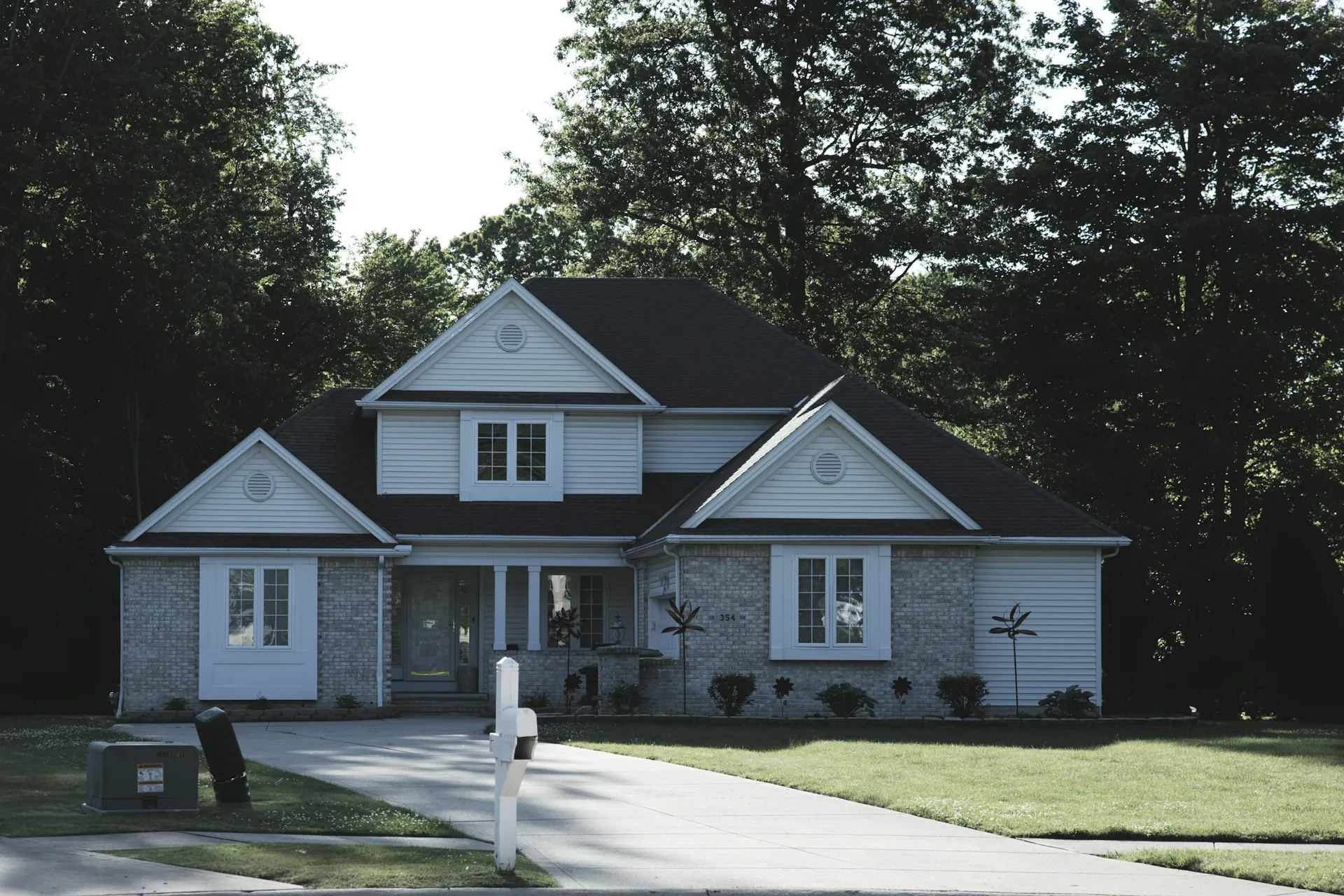
Photo: Ralph Florent / Unsplash · Unsplash License. Illustrative photograph; resized and converted to WebP. Display layouts may crop it.
You've decided to move to a new city. Maybe you've accepted a new job, want to live closer to family, or are simply looking for a fresh start. Now comes one of the biggest decisions: Should you buy a home right away or rent while you get to know your new surroundings? At first, the answer might seem simple. If you can afford to buy, why spend money on rent?
But buying a home involves much more than comparing a mortgage payment with monthly rent. A city that looks perfect online might feel different once you're living there. A neighborhood that seems convenient on a map might turn your daily commute into an exhausting routine. And buying a home is a much bigger commitment than deciding where to spend your first few months. The right choice depends on your finances, future plans, lifestyle, and how well you understand the place you're moving to.
Here's what to consider before making your decision.
1. Why Renting First Can Be a Smart Move
Imagine moving to a city you've visited only once or twice. You've researched neighborhoods online, explored real estate listings, and found several promising places. But how much do you really know about living there? Renting first can give you something that property listings can't fully provide: firsthand experience. While renting, you can:
Explore different neighborhoods before committing to one.
Experience actual commute times and traffic patterns.
Discover which stores, parks, and local services you use most.
Learn about transportation options and everyday expenses.
Find out whether the city's lifestyle matches your expectations.
For example, you might initially prefer a downtown neighborhood because of its restaurants, entertainment, and walkability. But after a few months, you may discover that you'd rather live somewhere quieter with more outdoor space. Or the opposite might happen. You might move into a suburban rental and realize that you'd prefer a neighborhood where you can walk to coffee shops, parks, and everyday services. Renting gives you an opportunity to learn what actually matters to you before making a major purchase.
However, renting doesn't necessarily mean you can leave whenever you want. A lease is a legally binding agreement. Ending it early may involve fees or other financial obligations, depending on its terms and applicable state or local laws. If flexibility is important, review the lease length, renewal provisions, and early termination conditions before signing.
2. When Buying Right Away Might Make Sense
Renting first isn't always necessary. Some people relocate to cities they already know well. Perhaps you've previously lived there, spent years visiting family, or have already explored the neighborhoods you're considering. If you're financially prepared and confident about your plans, buying immediately could be a reasonable choice. Buying may make sense when:
You expect to remain in the area for an extended period.
You have reliable income and manageable financial obligations.
You've saved enough for a down payment, closing costs, and emergencies.
You understand the local housing market and homeownership expenses.
You've researched the neighborhood and feel confident about the location.
You're comfortable handling maintenance and unexpected repairs.
Homeownership can provide stability and greater control over your living space, subject to applicable laws and property restrictions. It also allows you to build equity as you pay down your mortgage. However, building equity doesn't automatically mean making a profit. A home's market value can rise or fall. If you sell, transaction costs and any remaining mortgage balance will affect how much money you receive.
Buying immediately can make sense when your finances, long-term plans, and knowledge of the location support that decision. The important thing is to buy because the home and neighborhood are right for you, not because you feel pressured to become a homeowner.
3. Compare the Real Costs of Renting and Buying
One of the most common mistakes is comparing monthly rent directly with a mortgage's principal and interest payment. Those numbers don't represent the full financial picture. Two housing options with similar advertised monthly costs can have very different overall expenses.
If You Rent
Depending on the property, lease, and applicable laws, your expenses may include:
Monthly rent.
Security deposit and application fees, where permitted.
Utilities not included in the rent.
Parking fees.
Renter's insurance.
Pet-related deposits or fees, where applicable.
Moving expenses and other agreed charges.
You may also face rent increases when renewing your lease, subject to applicable legal protections.
If You Buy
Your expenses may include:
Down payment.
Closing costs.
Mortgage principal and interest.
Property taxes.
Homeowners insurance.
Mortgage insurance, if required.
HOA or condominium fees, if applicable.
Utilities.
Routine maintenance and unexpected repairs.
Additional insurance or expenses related to the property's location.
Some property taxes and insurance costs may be collected as part of your monthly mortgage payment through an escrow account. Others may need to be paid separately. Either way, they are part of your homeownership expenses. The Consumer Financial Protection Bureau provides resources for understanding the full cost of buying and owning a home.
What About Building Equity?
When you make mortgage payments, the portion applied to your loan principal reduces the amount you owe. Over time, that can help you build equity in your property. However, in the early years of a typical mortgage, a substantial portion of each payment may go toward interest. Equity also depends on the home's market value, which can decrease. Renting doesn't build ownership equity in the property, but that doesn't automatically make it a poor financial decision.
Rent provides housing without requiring you to purchase the property, and it may allow you to keep more of your savings available for other goals. The better financial choice isn't necessarily the one with the lowest advertised monthly payment. It's the one that makes sense after considering the full costs, risks, and your personal circumstances.
4. How Long Do You Plan to Stay?
Your expected length of stay is an important part of the rent-versus-buy decision. Buying and selling real estate can involve substantial transaction expenses. If you purchase a home and need to sell it shortly afterward, those costs may reduce or eliminate the financial benefits you expected from ownership. Market conditions also matter. If property values decline, you could sell for less than you paid, and in some situations you could owe more on the mortgage than the home is worth.
Renting May Be Worth Considering If:
You're relocating for a job that might change.
You're unsure whether you'll enjoy the city.
You're considering several different locations.
You expect another move in the relatively near future.
You want time to understand the local housing market before buying.
Buying May Be Worth Considering If:
You expect to stay in the area for an extended period.
Your employment and financial situation are relatively stable.
You've researched the location thoroughly.
You're prepared for the responsibilities and expenses of ownership.
There is no universal rule that buying becomes financially better after a specific number of years. The outcome depends on property prices, rent, mortgage rates, taxes, insurance, maintenance, transaction costs, and future market conditions. A rent-versus-buy calculator can help you compare possible outcomes, but remember that such tools rely on assumptions. Try different scenarios rather than treating a single result as a prediction. Your timeline matters, but it should never be the only factor in your decision.
5. Why Location Can Change Your Entire Decision
Here's something that people sometimes overlook: You might be comparing the wrong properties because you haven't chosen the right neighborhood yet. Imagine finding an affordable house on the outskirts of a city. It offers more space than similarly priced homes closer to downtown. At first, it seems like an excellent deal. But after moving in, you discover that your commute is longer than expected, grocery shopping requires extra driving, and many of your favorite activities are on the other side of town.
Suddenly, that lower purchase price doesn't tell the whole story. The same can happen with a rental. A beautiful apartment might look perfect until you experience its location during a normal workweek.
Research the Place, Not Just the Property
Before deciding where to buy or rent, investigate:
Transportation: How will you get to work and other regular destinations?
Everyday services: Are grocery stores, pharmacies, and healthcare facilities convenient?
Lifestyle: Do nearby parks, activities, and amenities match your preferences?
Housing expenses: What costs come with different types of properties in the area?
Local conditions: What should you know about traffic, noise, natural hazards, and planned development?
Schools: If relevant, what educational options are available, and how are school assignments determined?
School attendance boundaries and enrollment policies vary by district, so confirm information directly with the appropriate school authorities. Don't assume every neighborhood within the same city offers the same experience. Even nearby areas can differ considerably in transportation, housing types, amenities, and everyday convenience. Whether you're renting for a year or buying a home you hope to keep for decades, location will influence your daily life.
That's why researching the neighborhood should come before making a housing commitment.
6. Flexibility vs. Stability: What Matters More to You?
Renting and buying offer different benefits and responsibilities. Neither is automatically the better option.
Renting May Offer Greater Flexibility
Depending on your lease, renting may make it easier to change neighborhoods, adjust your housing needs, or relocate without having to sell a property. This can be particularly valuable during a major life transition. However, renting can also involve uncertainty. Your landlord may choose not to renew the lease where legally permitted, and rental costs may change over time, subject to local protections. You may also face restrictions on renovations, decorating, or other uses of the property.
Buying May Offer Greater Long-Term Control
Homeownership can provide more control over how you use and maintain your home, provided you continue meeting your legal and financial obligations. You may have more opportunities to personalize the property. However, HOA rules, zoning regulations, deed restrictions, and other requirements can limit certain changes. Ownership also comes with responsibilities that don't disappear when something goes wrong. A leaking roof, failed heating system, or major plumbing problem may require immediate attention and substantial expense.
And even with a fixed-rate mortgage, property taxes, insurance premiums, and maintenance costs can change over time. The decision comes down to which combination of flexibility, stability, costs, and responsibilities best supports your life right now.
7. What If You Want to Buy but Don't Know the City Well?
You don't necessarily have to choose between purchasing immediately and committing to a long-term rental. There may be other approaches worth exploring. For example:
Consider a shorter lease if suitable options are available.
Explore temporary furnished housing while researching neighborhoods.
Arrange an extended visit before making a purchase.
Visit potential neighborhoods during regular weekdays, not just weekends.
Speak with qualified local professionals about property-specific concerns.
Keep in mind that temporary housing can cost more per month, and moving twice may increase your overall relocation expenses. Compare the total costs rather than assuming a short-term arrangement will save money. If you're searching for rentals remotely, verify the property and the identity or authority of the person offering it before sending payments or personal information. The Federal Trade Commission explains how rental listing scams work and how to recognize warning signs.
You can decide to move to a city before deciding which home to buy. Those decisions don't have to happen at the same time.
8. Five Questions to Ask Before Making Your Decision
Before committing to buying or renting, take a moment to answer these questions.
How Well Do I Know the City?
Have you explored multiple neighborhoods and experienced everyday conditions? Or are you choosing mainly from online listings and recommendations?
How Certain Are My Future Plans?
Do you expect to remain in the area for the foreseeable future? Could changes in your job, household, or personal circumstances require another move?
Am I Financially Prepared to Buy?
Beyond the down payment, can you comfortably cover closing costs, taxes, insurance, maintenance, and unexpected repairs? Would purchasing leave enough savings for emergencies and other priorities?
Have I Compared the Full Costs?
Have you looked beyond monthly rent and mortgage principal and interest? What about utilities, transportation, insurance, transaction expenses, and the potential costs of moving again?
Does the Location Fit My Everyday Life?
Can you picture a typical weekday there? Do the transportation options, services, and surrounding environment support your needs? Your answers won't automatically determine the right choice. But they can help identify which questions deserve more research before you commit.
Buying vs. Renting: A Quick Comparison
Consideration | Renting | Buying |
|---|---|---|
Upfront costs | Often lower, but deposits and fees may apply | Down payment, closing costs, and other expenses |
Flexibility | Often easier to relocate, subject to lease terms | Selling can involve time and transaction costs |
Maintenance | Responsibilities depend on the lease and law | Owner generally covers repairs and maintenance |
Building equity | Does not create ownership equity | Potential to build equity, with market risk |
Ongoing costs | Rent, utilities, and applicable fees | Mortgage, taxes, insurance, utilities, maintenance, and applicable fees |
Long-term stability | Depends on lease terms and legal protections | More control, with ongoing financial obligations |
This comparison is a starting point, not a guarantee of which option will cost less. Actual terms and expenses vary by location and property.
Before You Decide, Explore the Neighborhood
It's natural to begin your housing search by looking at homes. But when you're relocating to a new city, a more important question often comes first: Where do you actually want to live? You might discover that one neighborhood offers a shorter commute, another has more outdoor spaces, and a third provides a better balance between housing costs and everyday convenience. Those differences can influence whether buying or renting makes sense for you.
At StrollPlace, we believe better housing decisions begin with understanding the place around the property. Explore cities, research neighborhoods, compare local information, and get a clearer picture of everyday life before making your next move. You can start by:
These tools can help organize your research, but they don't replace address-specific checks or professional advice.
The Right Decision Starts With Knowing What You Need
Buying a home can be an important milestone. Renting can be a practical decision that gives you time to explore a new city and understand your priorities. Neither option is automatically right for everyone. If you know the city well, have stable long-term plans, and are financially prepared, buying may make sense. If you're still learning about the area, expect your circumstances to change, or want to preserve flexibility, renting may be the better choice for now.
The goal isn't to become a homeowner as quickly as possible. It's to choose housing that supports the life you want to build. Because the right home isn't just about owning or renting. It's about finding the right place to live. Don't just find a home. Find a place where you belong.
Helpful Official Resources
Consumer Financial Protection Bureau — Is It the Right Time to Buy? — Financial tradeoffs, risks, and responsibilities of buying.
Consumer Financial Protection Bureau — Buying a House — Mortgage planning, costs, and the homebuying process.
Federal Trade Commission — Rental Listing Scams — Tips for identifying potentially fraudulent rental offers.
USAGov — Tenant Rights — Information about rental disputes and where to find help.
HUD — Housing Counseling — Resources for finding housing counselors who can help with rental or homebuying decisions.
Disclaimer: This article is for general educational purposes and does not constitute legal, financial, tax, mortgage, insurance, or real estate advice. Housing laws, lease provisions, financial obligations, and market conditions vary by location and individual circumstances. Consult appropriate qualified professionals and verify property-specific information before making housing decisions.
Continue your research
Explore cities and neighborhoods, compare neighborhoods or review homeownership cost scenarios on StrollPlace.
Additional official sources
Reviewed October 23, 2026.