



A neighborhood can offer ten places to eat and still leave you driving for groceries.
That’s the distinction worth making when you’re looking for a walkable home in Los Angeles. A lively street is a good start. The bigger advantage comes when groceries, useful services, and transportation fit into a routine you can manage on foot.
For a search focused on fewer car trips, start with Koreatown and selected blocks of Downtown LA. Around Hollywood/Vine, groceries and rail make another combination worth investigating. Los Feliz, Highland Park, and Sawtelle offer different appeals, depending on where you work and what you want within walking distance.
These are editorial starting points, based on the destinations and connections below. The address you choose matters as much as the neighborhood name.
Where should you start?
If your priority is… | Start exploring… | Why |
|---|---|---|
Local errands combined with subway trips | Koreatown’s Wilshire and Western corridors | Grocery destinations, services, and several subway entrances |
Multiple rail connections and central-city services | Downtown around Seventh through Ninth streets | Grocery stores and access to 7th Street/Metro Center |
Groceries, a Sunday market, and rail | Hollywood around Vine and Ivar | Everyday shopping adds substance to the entertainment district |
A neighborhood routine around a commercial street | Los Feliz along Hillhurst | A supermarket and branch library provide useful anchors |
A main street connected to rail | Highland Park around North Figueroa | The A Line station and a weekly market share the area |
Westside food shopping and restaurant outings | Sawtelle Japantown | A grocery destination sits within the shopping and dining corridor |
All six areas are within Los Angeles city.
1. Koreatown: combine the grocery run with the rest of your day
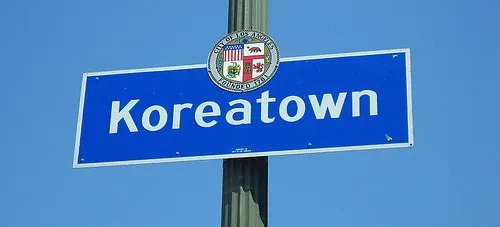
Koreatown photo source and creator · Public-domain licensing information.
Koreatown’s case for walkability becomes clearer when you look beyond its restaurants.
At Koreatown Plaza, 928 South Western Avenue, the tenant directory lists H Mart alongside a bakery, cafés, banking, and alteration and dry-cleaning services. That combination gives you several potential errands at one destination. Explore the plaza’s directory.
Rail adds another layer. The D Line serves Wilshire/Western, Wilshire/Normandie, and Wilshire/Vermont; the B Line also serves Wilshire/Vermont. A home near the right entrance could let you combine neighborhood walking with journeys farther across LA. Check Metro’s current maps.
Why choose it: Your goal is to reduce both short shopping drives and some longer trips.
Where to focus: Identify the grocery destination and station you would actually use, then look at homes between or around them. Koreatown Plaza is south of Wilshire, so the market, station, and property won’t necessarily sit beside one another.
The useful question is whether those separate destinations form a comfortable weekly routine.
Explore Koreatown on StrollPlace or continue with our Koreatown living guide.
2. Downtown LA: build a small neighborhood within Downtown
Downtown is easier to evaluate when you give yourself a specific starting area.
Around Seventh through Ninth streets, you can investigate a combination of groceries and rail. The Downtown Center Business Improvement District lists Whole Foods at 788 South Grand Avenue and Ralphs at 645 West Ninth Street. Those are concrete food-shopping destinations to place on your housing map. See Downtown’s grocery directory.
At 7th Street/Metro Center, the A, B, D, and E lines provide several directions for longer journeys. The Central Library at 630 West Fifth Street adds a public destination beyond shopping. Check Metro’s maps and Central Library information.
Why choose it: You want to investigate grocery shopping, public services, and multiple rail connections from one central address.
Where to focus: Map the particular building against those destinations. A home elsewhere in Downtown may support a completely different routine.
Think of the search as finding your own useful cluster of blocks. You should be able to point to the places that would make daily life easier.
Explore Downtown LA on StrollPlace.
3. Hollywood: around Vine, there’s more to the story than sightseeing
Hollywood earns a place here because the area around Vine offers a practical combination to investigate.
Trader Joe’s at 1600 North Vine Street supplies a regular grocery destination. Nearby, the Hollywood Farmers’ Market at Ivar and Selma operates Sundays from 8 a.m. to 1 p.m., according to its operator. Add Hollywood/Vine’s B Line connection, and you have the ingredients for both everyday errands and a weekly outing. See the grocery location and market details.
You can imagine two versions of the same neighborhood walk: picking up dinner ingredients after work, or taking a slower Sunday trip through the market.
Why choose it: You want rail access and food shopping alongside entertainment destinations.
Where to focus: Start with the actual walking routes among Vine, Ivar, and the prospective home.
Visit at the times you expect to use them. Visitor activity, loading access, and the position of the residential entrance deserve attention when an entertainment corridor becomes part of your daily life.
Explore Hollywood on StrollPlace.
4. Los Feliz: make Hillhurst your starting point
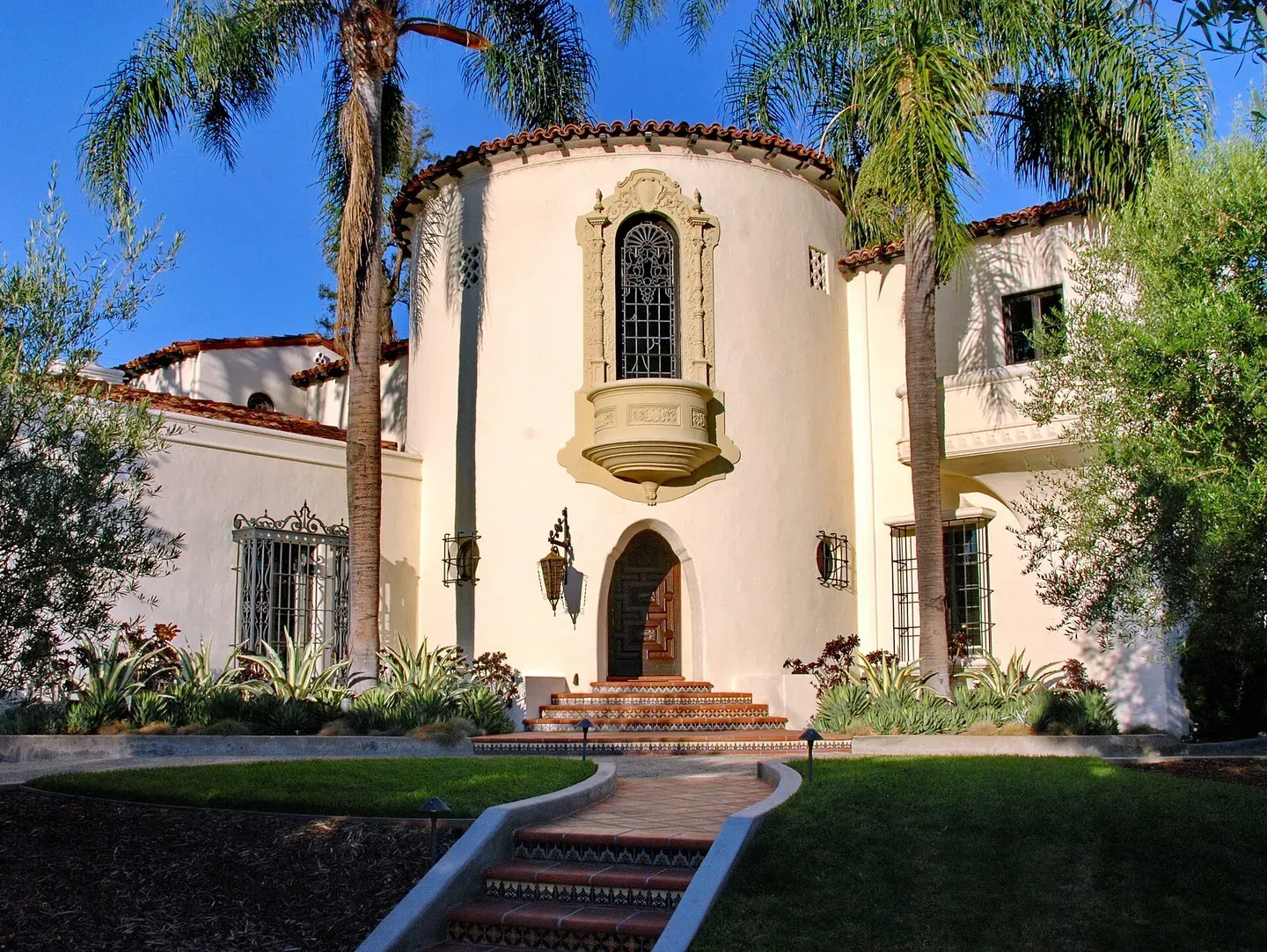
Los Feliz photo source and creator · CC BY-SA 4.0 license.
Los Feliz has a particularly useful pair of destinations on Hillhurst Avenue: Albertsons at 2035 Hillhurst and the Los Feliz Branch Library at 1874 Hillhurst. Together, they offer a straightforward way to test whether groceries and a public-service errand could fit into the same walk. See the supermarket location and library information.
That gives a Los Feliz scouting visit more purpose than browsing attractive streets. Start with an errand you would repeat, then explore the route toward a potential home.
Why choose it: You want local walking to become part of your day, especially around the Hillhurst corridor.
Where to focus: Compare the home’s relationship to Hillhurst with its relationship to Vermont Avenue. Then map any transit journey separately.
A comfortable grocery walk doesn’t automatically establish a convenient trip to Vermont/Sunset station. Los Feliz may work especially well when your local walking needs and longer journeys fit together.
Explore Los Feliz on StrollPlace. If school and recreation routines are part of your search, read our guide to family-friendly neighborhoods in LA.
5. Highland Park: put Figueroa, the train, and market day together
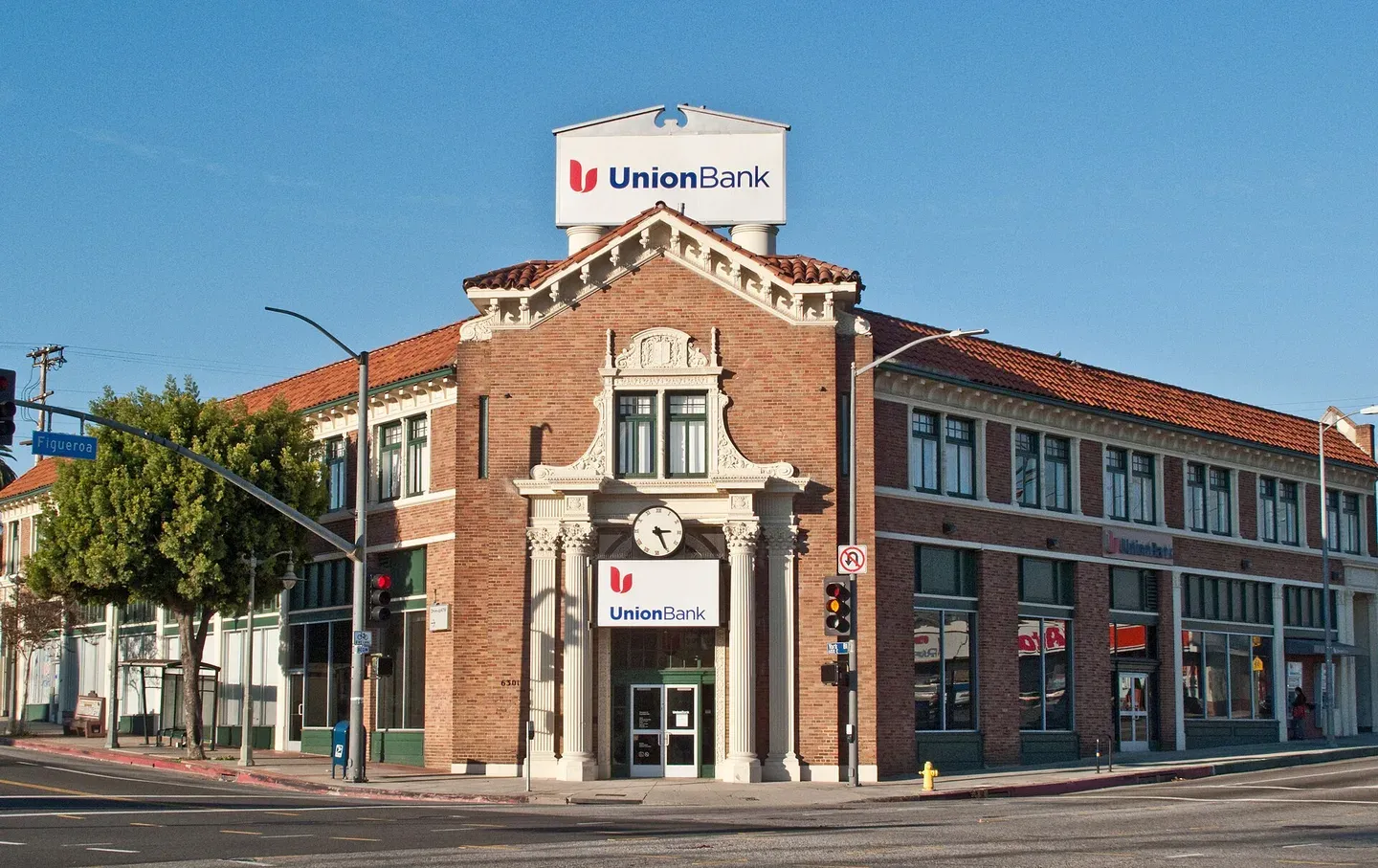
Highland Park photo source and creator · CC BY-SA 3.0 license.
North Figueroa gives Highland Park a clear starting point for a walking-based housing search.
The North Figueroa Association identifies Highland Park’s A Line station near Marmion Way and Avenue 58, a block from Figueroa. The Old LA Certified Farmers’ Market takes place Tuesdays at North Figueroa and Avenue 58. That creates a specific possibility to investigate: a train journey and a produce stop in the same part of the neighborhood. Explore the local walking guide and market information.
There’s something to notice along the way, too. The association’s guide describes sidewalk mosaics illustrating Highland Park’s history.
Why choose it: You like a main-street setting and want a rail connection within your local routine.
Where to focus: Begin around Figueroa and the station. A weekly market can complement your shopping, but you still need a grocery option that works on other days.
If a property attracts you because of York Boulevard, assess that location separately. The destinations that make one part of Highland Park appealing may be less convenient from another.
Explore Highland Park on StrollPlace.
6. Sawtelle: a dinner stroll with a grocery stop built in
Sawtelle’s restaurants provide plenty of reasons to walk locally. Nijiya Market at 2130 Sawtelle Boulevard, Suite 105, adds a grocery destination to investigate within that same corridor. Check Nijiya’s location directory.
Discover Los Angeles places Sawtelle Japantown’s shopping and dining corridor between Olympic and Santa Monica boulevards. Its walking tour offers an introduction to the area.
The appeal is easy to picture: step out for a meal, browse, and pick up groceries before heading home.
Why choose it: You want a Westside address where food shopping and restaurant outings could happen on foot.
Where to focus: Compare the prospective home with the part of Sawtelle Boulevard you would use most. Visit the grocery store to see whether its selection suits your household.
Then investigate work and other longer journeys. Sawtelle’s local walking appeal and its usefulness for your commute are two separate parts of the decision.
Explore Sawtelle on StrollPlace or read our Sawtelle living guide for more local context.
Could you live in these areas without a car?
For some households, a suitable address and workable transit connections could support that choice. For others, the more realistic benefit is fewer car trips.
Start with a typical week: work, groceries, appointments, school or caregiving, and the places you regularly visit. Identify which journeys walking and transit could cover comfortably—and which would still require another arrangement.
A neighborhood can make your weekends wonderfully walkable while leaving your weekday commute difficult. Both belong in the decision.
Before you sign, take the grocery-bag walk
From the actual property, walk to the grocery store you would use. Buy a few things and carry them home.
The return journey makes small details tangible: signal waits, uphill stretches, shade, curb ramps, and the entrance around the corner. If you use a wheelchair, walker, stroller, or shopping cart, assess the route with those needs in mind.
Then test your most important transit journey at the time you expect to make it.
The right neighborhood should make a trip you already need feel easier. Once you find that, the spontaneous coffee stop or longer walk home becomes an extra pleasure.
For a broader search, browse the Los Angeles neighborhood directory, use the Los Angeles neighborhood finder, or continue with our LA neighborhoods and local services guide.
Sources and review notes
Research checked October 30, 2026. Review owner: StrollPlace editorial. Recommendations are editorial starting points based on the linked destinations and transit connections, rather than a measured walkability ranking. Store locations are examples of nearby amenities, not price comparisons. Confirm current hours, transit service, and access when planning your visit.
Koreatown Plaza tenant directory — market, shops, and services.
LA Metro schedules and maps — station and line connections.
Downtown LA grocery directory and Central Library — Downtown destinations.
Trader Joe’s Hollywood and Hollywood Farmers’ Market — grocery location and Sunday market schedule.
Albertsons Hillhurst and Los Feliz Branch Library — Hillhurst destinations.
North Figueroa Association walking guide and LA County Old LA Certified Farmers’ Market listing — Highland Park station area, mosaics, and weekly market.
Nijiya Market locations and Discover Los Angeles Sawtelle walking tour — Sawtelle grocery and commercial corridor.