


Owens-Thomas House and Slave Quarters
- Landmark
- Regional draw
- Savannah
The Owens-Thomas site in Savannah pairs a distinguished historic house with interpretation of the enslaved people whose labour supported the household. The property offers a way to consider architecture and wealth alongside the daily lives and unequal conditions behind them.
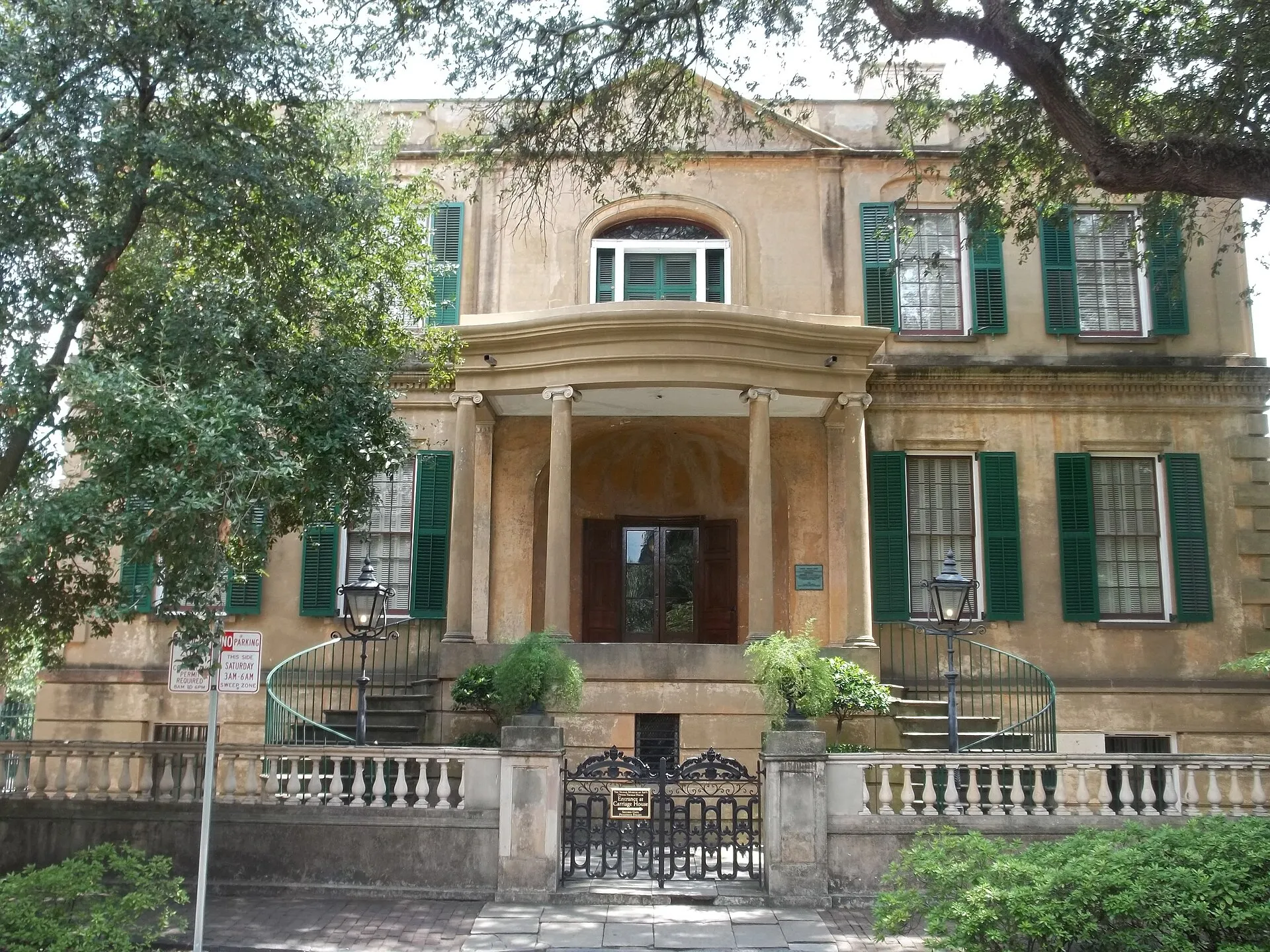
Confirm current guided-visit arrangements through Telfair Museums before travelling. Give the interpretation of both the house and slave quarters unhurried attention, and check accessibility information for the historic buildings rather than assuming every space is step-free.
Visitor details reviewed October 17, 2026. Check official visitor information for current access, admission, and operating arrangements. View on OpenStreetMap.
Image credit: Ebyabe / Wikimedia Commons. Original source. CC BY-SA 3.0. Resized and converted to WebP; may be cropped for display.
Nearby
More places nearby
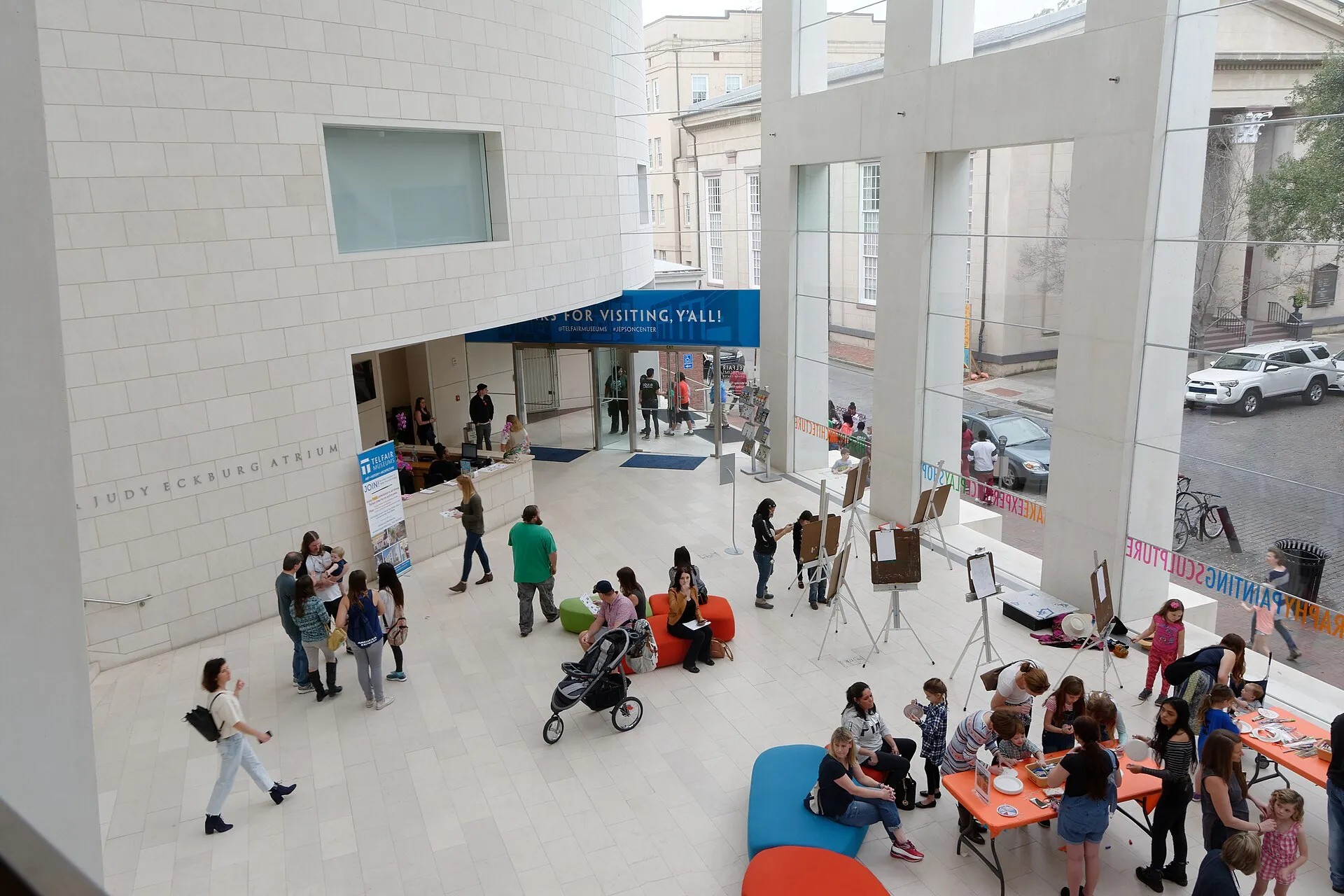 Jepson Center for the ArtsSavannah's Jepson Center provides a contemporary architectural setting for art within the Telfair Museums group. Its galleries offer a different experience from the historic Telfair Academy nearby, making the two sites complementary rather than interchangeable destinations.
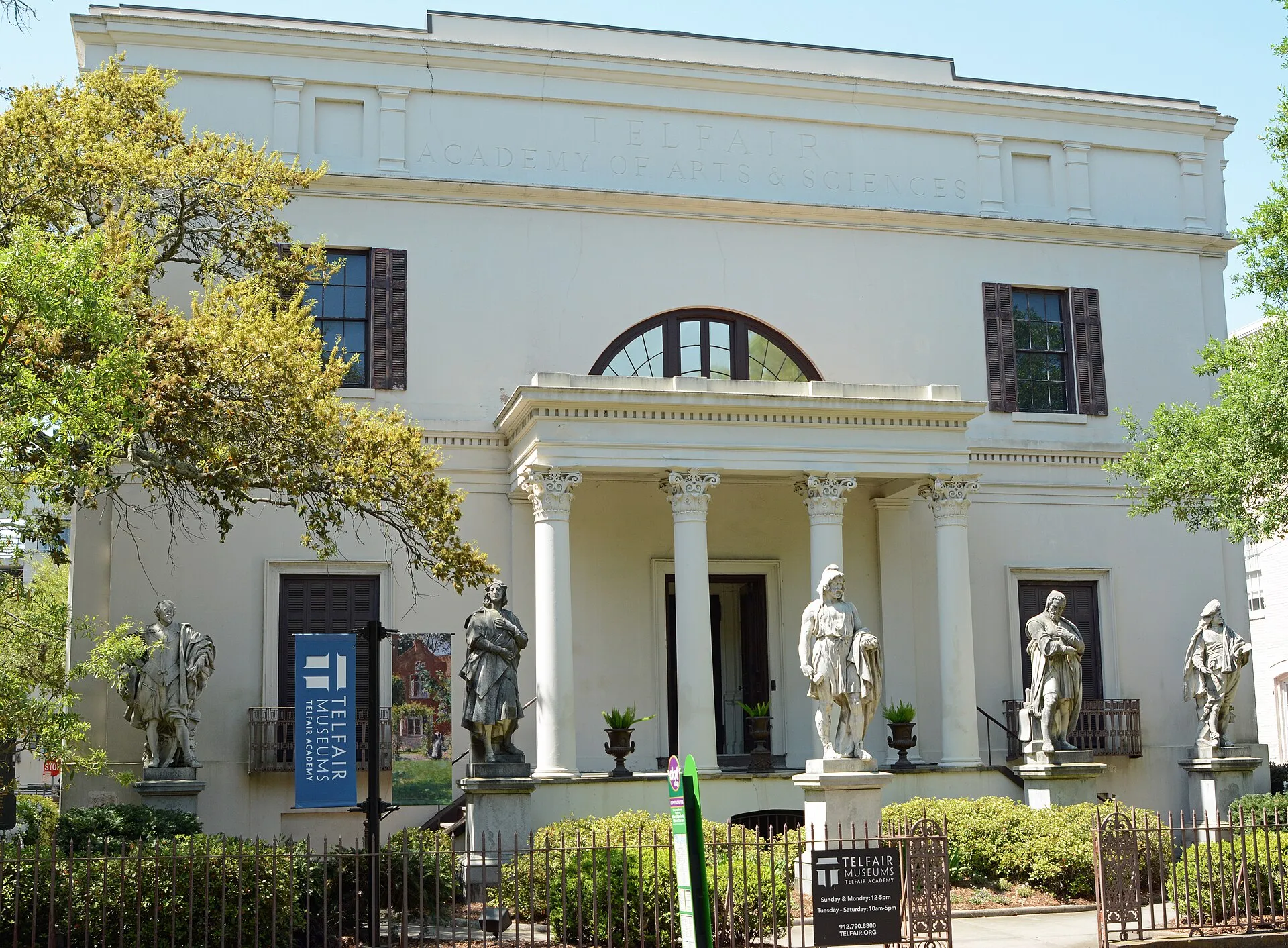 Telfair AcademyA former Telfair family mansion houses an art destination on Savannah's Barnard Street. Designed by William Jay and later adapted as a museum, the Academy connects historic domestic architecture with an important chapter in the city's public cultural life.
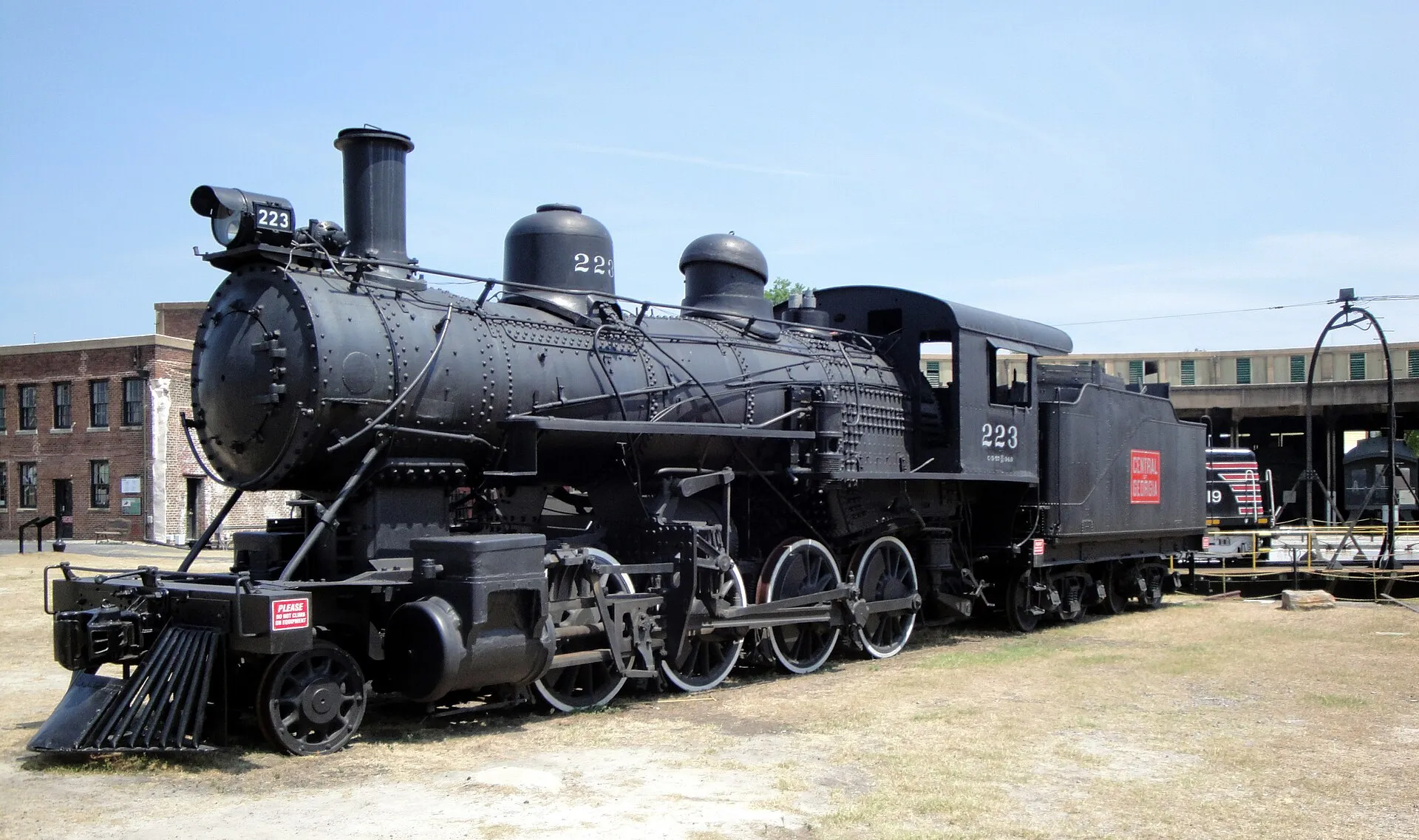 Georgia State Railroad MuseumSavannah's Georgia State Railroad Museum occupies part of the historic Central of Georgia railway shops and terminal complex. Surviving industrial buildings and railway material allow visitors to explore transport history in the setting where much of that work took place.
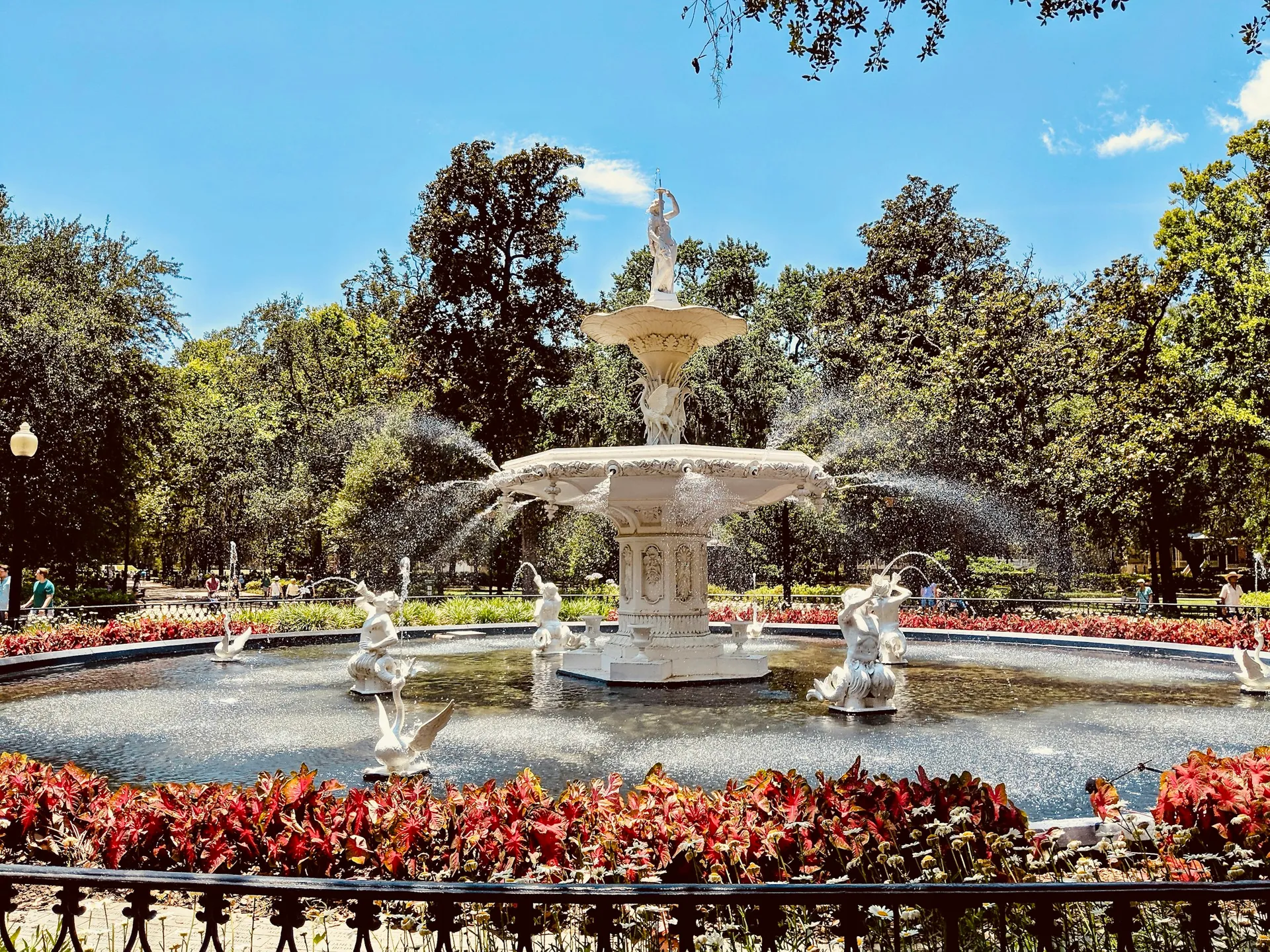 Forsyth ParkSavannah’s historic 30-acre park pairs its famous fountain with tree-lined paths, broad lawns, monuments, and recreation spaces.
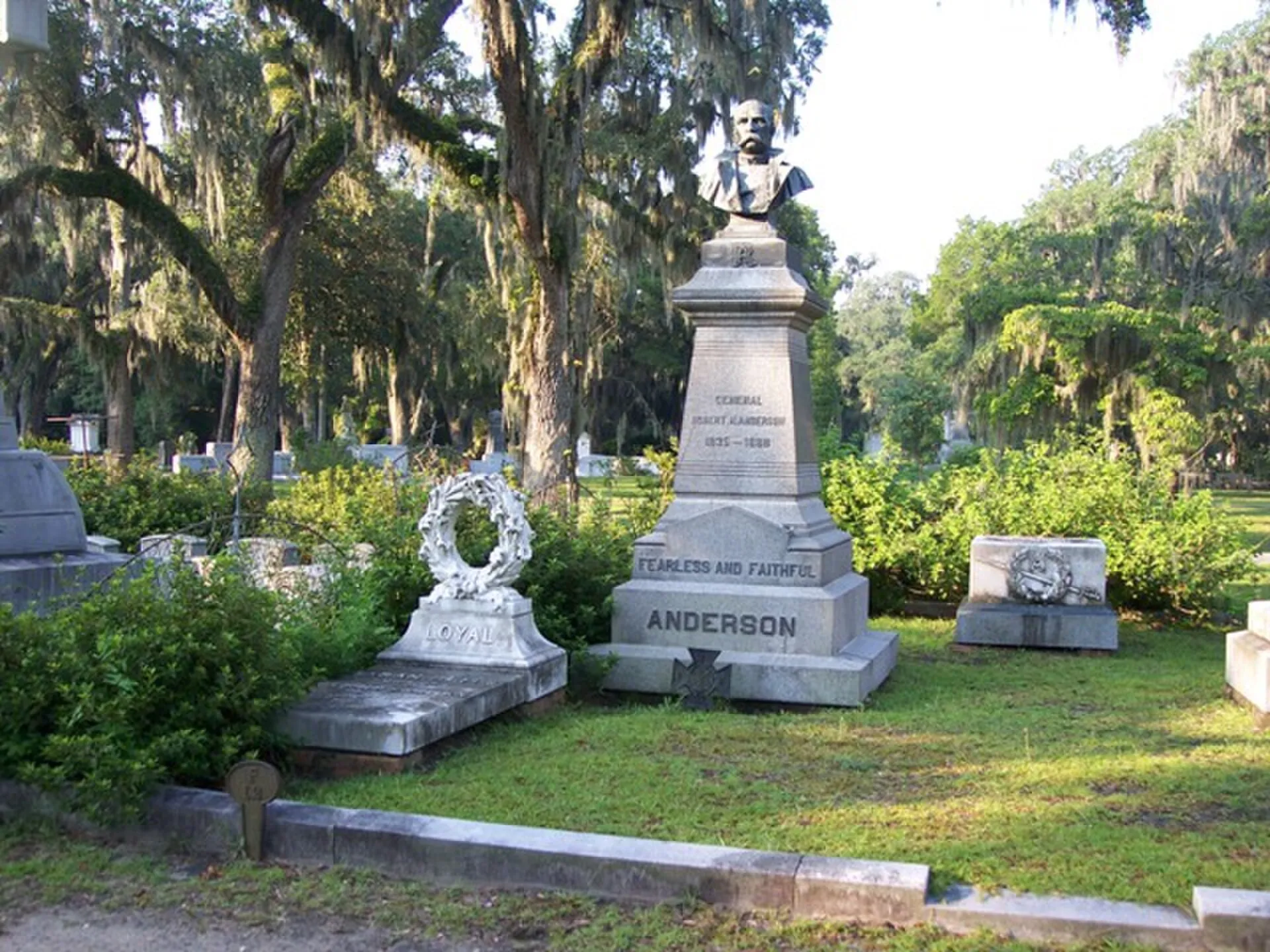 Bonaventure CemeteryOn a bluff beside the Wilmington River, Bonaventure combines a landscape of trees and memorials with Savannah's long community history. Its appearance in popular culture has drawn visitors, but it remains a cemetery rather than a park designed only for sightseeing.