


South Dakota is often associated with Mount Rushmore, the Black Hills, and miles of open prairie. But beyond its famous landscapes is a state with university towns, growing urban centers, agricultural communities, and small towns that offer very different experiences of everyday life. Sioux Falls, the state's largest city, is an important center for healthcare, financial services, and business. Rapid City connects residents to the Black Hills and serves much of western South Dakota. Other communities, including Brookings, Aberdeen, Watertown, and Spearfish, have their own combinations of employment, education, recreation, and local services.
Where Is South Dakota?
South Dakota is located in the north-central United States, in the Great Plains region. It borders North Dakota to the north, Minnesota and Iowa to the east, Nebraska to the south, and Wyoming and Montana to the west. Pierre is the state capital, while Sioux Falls is its largest city. The Missouri River runs through the state, helping shape its geography, communities, and recreational opportunities.
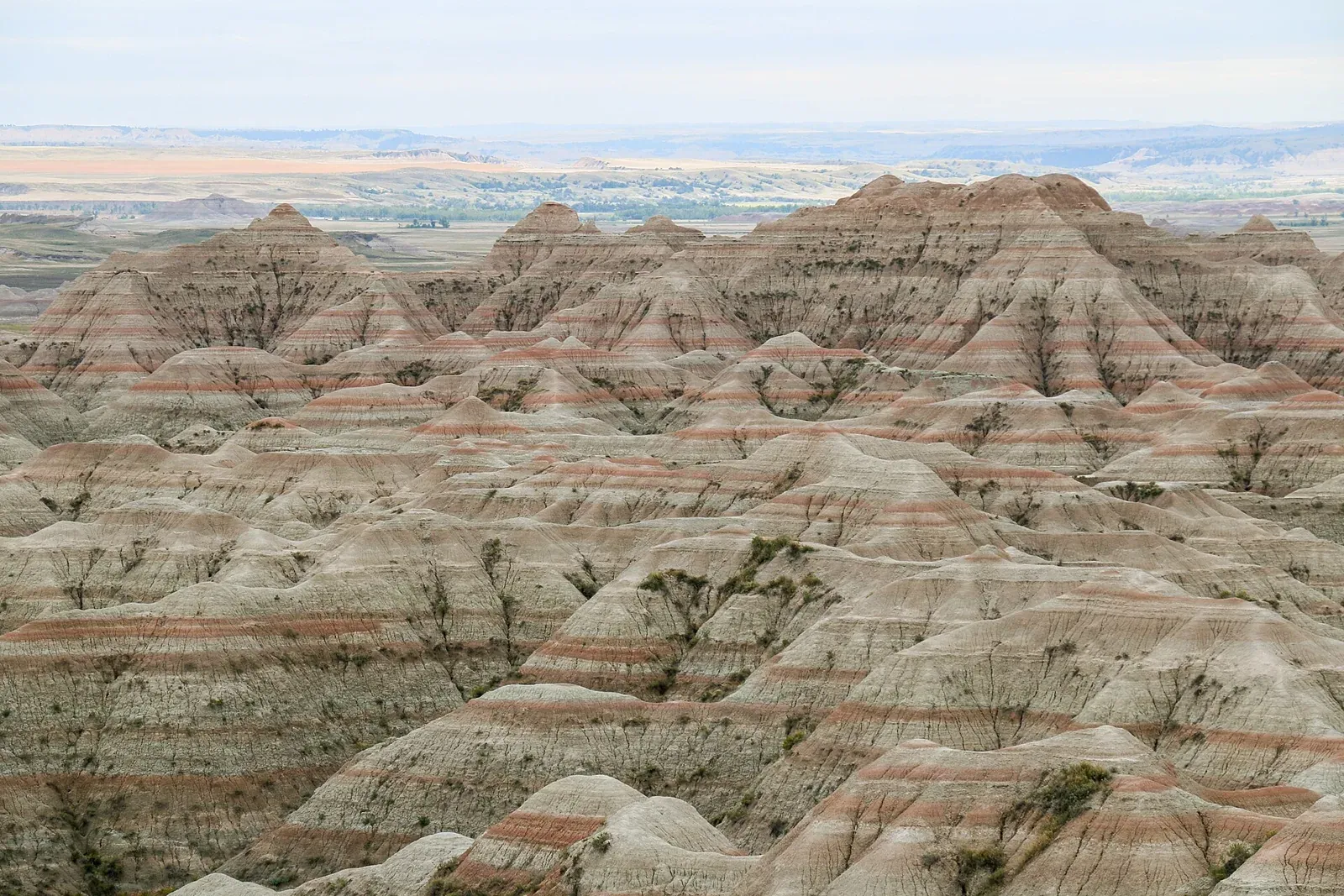
South Dakota's landscape changes considerably from east to west. Eastern areas include agricultural plains, lakes, and many of the state's population centers. Central South Dakota features broad prairie landscapes, ranching communities, and the Missouri River corridor. Western South Dakota includes open grasslands, the Badlands, and the forested Black Hills. The state also spans two time zones. Sioux Falls and Pierre observe Central Time, while Rapid City observes Mountain Time.
Understanding South Dakota's Different Regions
Eastern South Dakota: Agriculture, Cities, and Lakes
Eastern South Dakota includes Sioux Falls, Brookings, Watertown, Aberdeen, and many smaller communities. Agriculture is an important part of the regional economy, particularly crop production and livestock operations. Cities also support healthcare, education, manufacturing, financial services, retail, and other industries. Northeastern South Dakota is known for its glacial lakes, which provide opportunities for fishing, boating, and outdoor recreation. Southeastern South Dakota includes the Sioux Falls metropolitan area and communities connected to regional employment, universities, and transportation routes.
Central South Dakota: Prairie Communities and the Missouri River
Central South Dakota is characterized by open prairie, agricultural land, ranching, and communities along the Missouri River. Pierre serves as the state capital and a center for government activity. The Missouri River and its reservoirs support fishing, boating, and other recreation. Outside larger towns, residents may travel considerable distances for certain services, including specialized healthcare and major shopping destinations. For people interested in rural properties, it's especially important to investigate water systems, road access, internet service, and property maintenance.
Western South Dakota: The Black Hills and Badlands
Western South Dakota includes Rapid City, Spearfish, Sturgis, Custer, and surrounding communities. The Black Hills create a distinctive landscape of forested slopes, valleys, rocky formations, and recreation areas. Tourism plays a visible role in parts of the regional economy, particularly near national parks, state parks, and major attractions. Healthcare, education, government, retail, construction, and other industries also support regional employment. The region's elevation and varied terrain can affect local weather and driving conditions.
Major Cities and Communities in South Dakota
Sioux Falls: The State's Largest Urban Center
Located in southeastern South Dakota, Sioux Falls is the state's largest city and a major center for employment, shopping, healthcare, and education. Its economy includes healthcare, financial services, manufacturing, retail, and professional services. Residents have access to hospitals, medical clinics, restaurants, cultural venues, parks, and a variety of shopping options. Downtown Sioux Falls features local businesses, restaurants, entertainment, and public spaces. One of the city's best-known attractions is Falls Park, where the Big Sioux River flows over natural Sioux quartzite formations.
Housing options include apartments, townhomes, established residential neighborhoods, and newer developments. Sioux Area Metro provides fixed-route bus and on-demand transportation services, although coverage and convenience depend on the address.
Rapid City: A Western South Dakota Service Center
Rapid City is a major commercial and service center in western South Dakota. Located near the Black Hills, it provides access to healthcare, higher education, shopping, restaurants, and outdoor recreation. South Dakota Mines, a public university focused on science, engineering, and technology, is located in the city. Rapid City's housing options include established neighborhoods, apartments, and residential areas extending toward the surrounding hills. The city's location provides access to the wider Black Hills region, but transportation needs vary.
Aberdeen: Education and Regional Services
Aberdeen is a regional center in northeastern South Dakota. The city is home to Northern State University and provides healthcare, shopping, educational institutions, and commercial services for surrounding communities. Its residential areas include established neighborhoods and different types of housing.
Brookings: A University Community
Brookings is home to South Dakota State University, one of the state's major public universities. The university contributes to research, employment, education, cultural activities, and community events. The city includes residential neighborhoods, rental housing, local businesses, parks, and recreational facilities. Because higher education is a significant part of Brookings, prospective renters may want to consider how the academic calendar affects housing availability near campus.
Watertown: Services and Lake Recreation
Watertown is located in northeastern South Dakota. The city serves as a regional center for shopping, healthcare, education, and other services. It is home to Lake Area Technical College and is located near Lake Kampeska, a destination for boating, fishing, and other recreation.
Pierre: South Dakota's Capital
Pierre is located along the Missouri River and serves as the state capital. Government offices and related services are central parts of the city's economy and identity. The surrounding river landscape provides recreational opportunities, while the city offers local shopping, educational services, and healthcare facilities. Compared with Sioux Falls or Rapid City, Pierre has a smaller urban environment.
Spearfish: Living Near the Northern Black Hills
Spearfish is located in western South Dakota and is home to Black Hills State University. The city offers residential neighborhoods, local businesses, educational opportunities, and access to outdoor recreation. Nearby Spearfish Canyon is known for its scenic landscape and recreation opportunities.
Vermillion and Yankton: Communities in Southeastern South Dakota
Vermillion is home to the University of South Dakota, which plays a major role in the city's educational and cultural life. Yankton, located along the Missouri River, is a regional community with local businesses, educational institutions, parks, and access to river recreation. Both offer additional places to explore in southeastern South Dakota beyond the Sioux Falls area.
Housing in South Dakota: Buying and Renting
Housing options differ considerably across the state. In larger cities, buyers and renters may find apartments, condominiums, townhomes, established residential neighborhoods, and newer developments. In smaller towns and rural communities, detached homes and properties with larger parcels of land may be more common. However, a lower listing price does not automatically mean a property will cost less to own or maintain. Utility expenses, insurance, property taxes, transportation, and maintenance all affect the total cost of housing.
What to Check Before Buying a Home
South Dakota's climate makes certain property features particularly important. Before purchasing, evaluate the condition of the roof, foundation, windows, insulation, heating system, and drainage. Ask about past water intrusion, basement moisture, storm damage, and heating costs. Most covered residential property sales require a Seller's Property Condition Disclosure Statement, although South Dakota law provides exceptions for certain transactions. The disclosure reflects the seller's knowledge of the property's condition. It is not a warranty and does not replace professional inspections.
Buyers should consider appropriate inspections and verify information about the property rather than relying exclusively on the seller's disclosure. For properties governed by a homeowners association (HOA), South Dakota also requires certain HOA information to be provided before the buyer makes a written offer, including governing documents and applicable assessment information. Review HOA rules, fees, and any special assessments before deciding whether the property meets your needs.
Some buyers may also qualify for mortgage or down payment assistance programs through SD Housing. Program qualifications and availability should be checked directly with the organization and participating lenders.
Renting in South Dakota: Important Rules
Renters should understand the state's landlord-tenant laws before signing a lease. Under South Dakota law, landlords generally cannot require a residential security deposit exceeding one month's rent. A larger deposit may be agreed upon when special conditions pose a danger to maintaining the property. The law also establishes requirements for returning security deposits. Under South Dakota Codified Law § 43-32-24, a landlord generally must return the deposit or provide a written explanation of amounts withheld within 21 days after the tenancy ends and the landlord receives the tenant's mailing address or delivery instructions.
If the tenant requests an itemized accounting of withheld amounts, the law provides a separate 45-day deadline measured from the end of the tenancy. These rules do not mean every disagreement over a deposit has the same outcome; the facts and applicable legal requirements matter. Before signing a lease, review utility responsibilities, pet policies, fees, maintenance obligations, and termination provisions. In particular, clarify who is responsible for lawn care, snow removal, and other seasonal maintenance.
Documenting the property's condition at move-in can also help reduce disputes later. For current legal requirements, consult the South Dakota Legislature and the state's Consumer Protection Division.
Cost of Living: Look Beyond the Home Price
South Dakota does not impose an individual state income tax, which is one of its better-known financial characteristics. However, residents may still have federal tax obligations, and income connected to another state may create additional tax considerations. South Dakota also has state sales and use taxes, with additional municipal taxes in some locations. Homeowners pay property taxes, which vary based on assessed property values and applicable local levies.
Eligible primary residences may qualify for an owner-occupied property tax classification that provides a lower levy for certain school property tax purposes. Homeowners should verify eligibility and application requirements through the South Dakota Department of Revenue and their county Director of Equalization. The absence of a state individual income tax should not be confused with an absence of other living expenses. When building a budget, consider housing, heating, electricity, water, insurance, transportation, groceries, healthcare, and property maintenance.
Jobs and South Dakota's Economy
South Dakota has an economy that includes healthcare, manufacturing, financial activities, agriculture, trade, transportation, education, construction, government, and tourism-related businesses. The concentration of these industries differs across the state. In Sioux Falls, healthcare, finance, business services, and manufacturing are significant parts of the employment landscape. Rapid City supports regional healthcare, education, government services, retail, construction, and tourism-related activity. College towns have employment connected to universities, research, student services, and supporting businesses.
Rural communities may have employment opportunities related to agriculture, manufacturing, education, healthcare, and local services, although the selection of employers can be narrower. For people considering a move for employment, research regional job openings, professional licensing requirements, wages, and possible commuting distances before selecting a home. The South Dakota Department of Labor and Regulation publishes labor market information that can help prospective residents compare employment conditions.
Remote Work and Internet Access
Remote work can make smaller communities and rural properties more practical for some people. However, reliable internet should never be assumed based on a city name or ZIP code. Availability, connection type, speeds, and installation requirements can vary at individual properties. Use the FCC National Broadband Map to identify providers reporting service at an address, then confirm availability, installation timing, and service details directly with the provider.
The FCC map reports availability, not a guarantee of actual connection quality or installation.
Climate: Winters, Summers, and Severe Weather
South Dakota has a continental climate with substantial seasonal changes. Winters can bring very cold temperatures, snow, strong winds, blowing snow, and blizzard conditions. Summers are often warm or hot, with thunderstorms that can produce hail, damaging winds, heavy rain, and occasionally tornadoes. Conditions are not identical across the state. Eastern South Dakota generally receives more precipitation than much of the western plains. The Black Hills have different weather patterns from surrounding lower-elevation areas, influenced by elevation and terrain.
Preparing for Winter
Winter weather can affect transportation, home maintenance, and everyday routines. Before choosing a property, investigate the type and condition of its heating system, energy efficiency, snow removal requirements, and driveway access. In rural areas, road conditions can be especially important when commuting or traveling to medical appointments. Interstate 90 and Interstate 29 may experience temporary closures during severe winter weather. The South Dakota 511 system provides official road conditions, travel alerts, and closure information.
Flooding, Hail, and Wildfire Considerations
Severe weather and natural hazards should also be part of property research. Some areas may face flooding from rivers, streams, heavy rainfall, or local drainage problems. Hail and strong winds can damage roofs, siding, and vehicles. Wildfire exposure is an additional consideration for certain properties near forests, grasslands, and wildland areas, including parts of the Black Hills. These risks vary by property. Before buying or renting, review available hazard information, investigate previous damage, and confirm what insurance would cover.
FEMA flood maps are a useful starting point, but a property outside a mapped high-risk flood zone is not necessarily free from flooding risk.
Transportation and Getting Around
A personal vehicle is important for many residents of South Dakota, particularly outside the larger cities. Distances between communities, healthcare facilities, shopping areas, and recreational destinations can be substantial. Interstate 90 is a major east-west transportation route, while Interstate 29 serves the eastern part of the state. Sioux Falls operates Sioux Area Metro, offering bus and on-demand transportation services. Rapid City also provides local public transportation.
However, route coverage, hours, accessibility, and service frequency need to be verified for each location. Smaller communities may have more limited transit options. Before moving without a car, check whether public transportation can support your actual schedule and the destinations you need to reach. Commercial passenger air service is available through airports serving Sioux Falls and Rapid City, among others, but flight destinations and schedules can change.
Schools and Higher Education
South Dakota has public school districts throughout the state, as well as private, tribal, and other educational options. For households researching K–12 schools, the first step is confirming which public school district serves the exact property address. The South Dakota Department of Education provides district maps and educational information. However, a school district boundary does not necessarily establish an individual school's enrollment assignment. Confirm the appropriate school and available programs directly with the district.
Public School Open Enrollment
South Dakota offers an open enrollment process through which students may apply to attend a public school district other than their resident district. Acceptance depends on applicable requirements, including district capacity and program availability. Under the general rules, parents or guardians are responsible for transportation for an open-enrolled student without reimbursement, although a district may agree to provide transportation. Do not assume that purchasing a home near a particular school guarantees enrollment outside the normal assignment rules.
Colleges and Universities
South Dakota's public universities include:
South Dakota State University in Brookings.
University of South Dakota in Vermillion.
Northern State University in Aberdeen.
South Dakota Mines in Rapid City.
Black Hills State University in Spearfish.
The state also has technical colleges, private institutions, and tribal colleges and universities. For people considering professional education, career training, or university-related employment, these institutions are an important part of the statewide educational landscape.
Healthcare and Access to Services
South Dakota has hospitals, clinics, pharmacies, and medical practices across the state. Larger regional centers provide a broader concentration of healthcare services, while some rural communities have fewer local options. Specialized care may require travel to another city. The South Dakota Department of Health identifies rural healthcare access, workforce shortages, and transportation as important challenges in parts of the state. Before relocating, identify nearby primary care providers, hospitals, urgent care facilities, pharmacies, and any specialists you may need.
Check whether providers accept your health insurance, whether they are accepting new patients, and how far you would need to travel for appointments. People considering remote areas should also research emergency response arrangements and winter access. The same principle applies to other everyday services. A community may meet most of your needs locally while requiring longer trips for certain purchases, repairs, professional services, or government offices.
Outdoor Recreation and Cultural Life
South Dakota offers a wide range of outdoor experiences. Western South Dakota is home to the Black Hills, Badlands National Park, Wind Cave National Park, Custer State Park, and Mount Rushmore National Memorial. Residents and visitors can explore hiking trails, scenic routes, campgrounds, and other recreation areas. Eastern South Dakota has a different landscape, with glacial lakes, river corridors, prairie environments, and state parks.
Palisades State Park, near Garretson, is known for its distinctive Sioux quartzite formations. The Missouri River and its reservoirs provide fishing, boating, and other outdoor activities in several parts of the state. Recreation options vary by season, location, accessibility, and individual park rules. People who enjoy outdoor activities should consider the actual distance from a potential home to the places they expect to visit regularly.
Local Culture and History
South Dakota's identity includes agriculture, Indigenous cultures, higher education, regional festivals, historic communities, and traditions shaped by its geography. The state is home to nine federally recognized Native American tribes, each with its own history, government, and cultural traditions. Lakota, Dakota, and Nakota histories and communities are essential to understanding the state. The Black Hills hold deep spiritual and cultural significance for several Native nations.
Tribal nations exercise sovereign governmental authority, and applicable legal requirements for activities or property within tribal jurisdictions can differ depending on the location and circumstances. Anyone researching property transactions in these areas should verify the land's legal status, ownership or lease arrangements, and applicable jurisdiction with appropriate authorities and qualified professionals. For newcomers, learning about local history and communities can provide important context for understanding the place they are considering calling home.
What to Know About Rural Living in South Dakota
Rural properties can offer larger parcels of land, different surroundings, and greater distance from densely developed areas. However, they can also require more independent maintenance and planning. A rural home may have a private well, septic system, propane heating, or other infrastructure rather than municipal water and sewer services. Before purchasing, investigate the condition and capacity of these systems. For private wells, ask for recent water quality testing information and consider appropriate testing. The South Dakota Department of Health provides resources for private well testing.
For septic systems, evaluate the system's condition and applicable inspection or permitting requirements. Other important considerations include road maintenance, snow removal, emergency access, utility connections, easements, property boundaries, and internet availability. If the property includes agricultural land or is located near farming or ranching operations, research land-use rules and the surrounding activities that may affect daily life. A rural property should be evaluated as a complete living arrangement, not only as a house with more land.
Explore South Dakota on StrollPlace
Browse Sioux Falls schools and Rapid City schools. Confirm school assignments directly with the district using the exact home address.
Moving to Sioux Falls: utilities, transit and neighborhood guides
Living in Pettigrew Heights, Sioux Falls: housing and local services
Living near Terrace Park, Sioux Falls: rentals, swimming and transit
Living near Tuthill Park, Sioux Falls: housing and daily services
Living in Pepper Ridge, Sioux Falls: homes and daily services
Galway Park, Sioux Falls: neighborhood housing and daily services
Living Downtown in Sioux Falls: housing, parking and groceries
Living in Cathedral, Sioux Falls: housing and Downtown services
Living in All Saints, Sioux Falls: housing and daily services
Living in Oak View, Sioux Falls: rentals and everyday services
McKennan Park, Sioux Falls, South Dakota: Neighborhood Overview
Sources and further reading
Reviewed October 23, 2026. Laws, program eligibility, service availability and seasonal access can change; consult the current official source for your address and plans.