


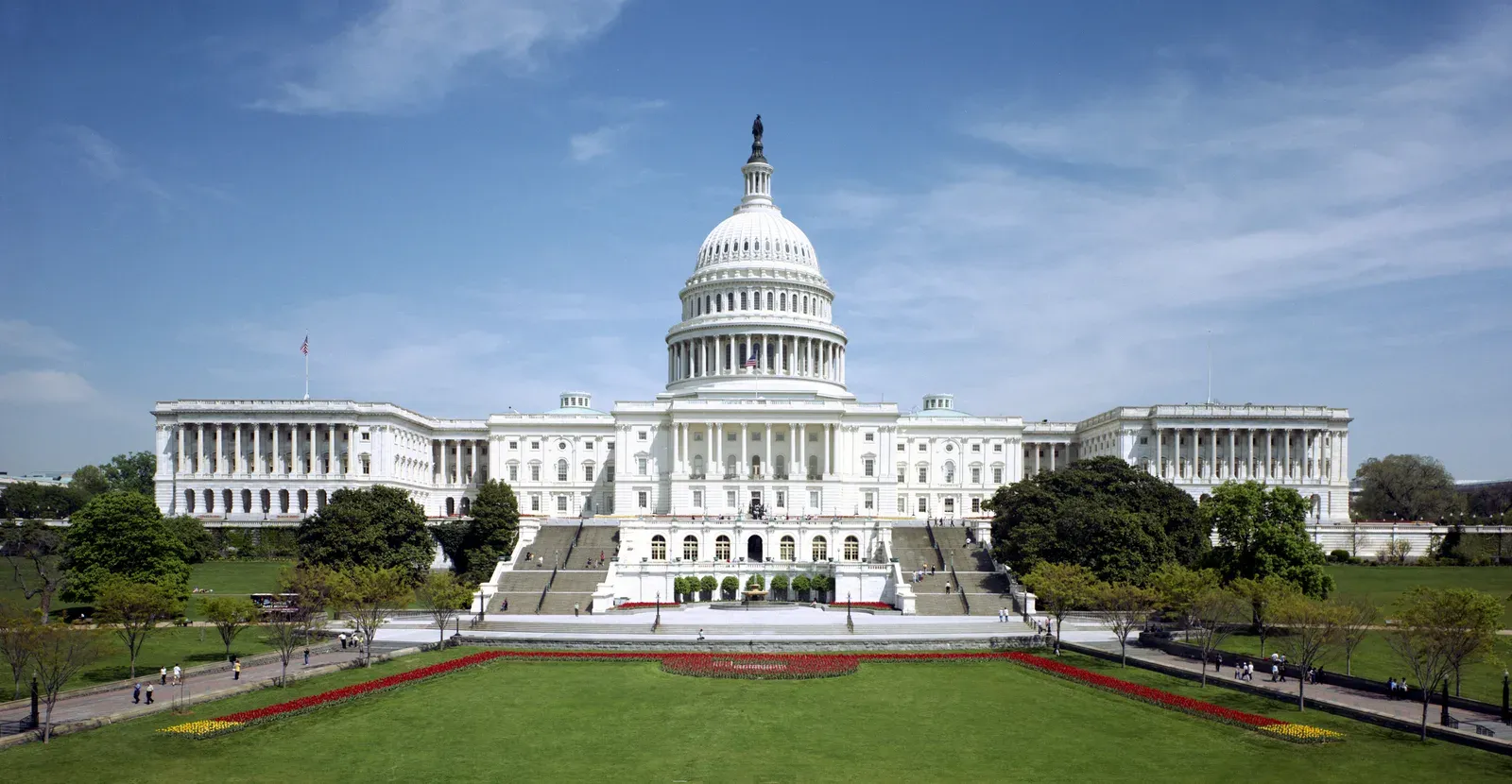
Washington, DC combines rowhouses, converted apartments and larger rental or condominium buildings. A move within the District uses DC housing rules, schools and municipal services; an address in nearby Maryland or Virginia uses a different jurisdiction. Include the NW, NE, SW or SE quadrant when entering a DC address in a property, school or service lookup.
Neighborhood starting points
Capitol Hill: rowhouses, converted units and apartments around Eastern Market and Barracks Row. Eastern Market and Capitol South are Metrorail stations serving this part of the city.
Dupont Circle and Adams Morgan: older residential buildings, apartments and restaurant corridors. Dupont Circle has its own station; Woodley Park–Zoo/Adams Morgan is a separate station, not a stop in the center of Adams Morgan’s commercial streets.
Georgetown: older townhouses, M Street and Wisconsin Avenue shops, and waterfront park access. There is no Georgetown Metrorail station.
Columbia Heights and Petworth: rowhouses and apartment buildings around commercial corridors. Columbia Heights and Georgia Av–Petworth are separate Metrorail stations.
Cleveland Park: detached historic homes and apartment buildings, with shops and a station on Connecticut Avenue and Rock Creek Park nearby.
Brookland: detached houses, rowhouses and apartments, 12th Street NE businesses and Catholic University. Its rail station is Brookland–CUA.
Navy Yard: newer apartments and condominiums by the Anacostia River and Nationals Park, served by Navy Yard–Ballpark. Southwest Waterfront and The Wharf are a separate area on the Washington Channel, with Waterfront station.
Historic Anacostia: a residential and historic neighborhood associated with the Frederick Douglass site, with Anacostia Park nearby. The name does not describe every neighborhood east of the river.
The neighborhood directory leads to individual profiles; WMATA’s rail map shows station locations and line connections.
Renting: licensing, deposits and rent stabilization
DLCP’s online resources link to Scout for business-license verification. The Rental Accommodations Division separately records rent-stabilized units and claims of exemption. A landlord’s business license and a unit’s rent-stabilization status answer different questions.
Most nongovernment rental units must be registered as stabilized or exempt; federally and District-owned units have registration exceptions. Exemption from rent stabilization does not remove every tenant protection. DHCD explains the coverage; the unit’s RAD record is more useful than assuming all older buildings have the same rules.
The Office of the Tenant Advocate’s published Tenant Bill of Rights sets a security-deposit ceiling of one month’s rent. Its tenant-help phone is 202-719-6560. Our DC renting guide covers English-basement and converted-unit questions in more detail.
Metro fares and payments
As checked October 22, 2026, WMATA lists regular and limited-stop Metrobus fares at $2.25. Express routes have a separate fare. Weekday daytime Metrorail fares range from $2.25 to $6.75; late-evening and weekend fares range from $2.25 to $2.50.
Rail fares depend on the trip and time. Tap the same SmarTrip or contactless payment method at entry and exit; on the bus, tap when boarding. The DC transport guide adds neighborhood route context.
Bringing a car: registration and street parking
DC DMV gives new residents 60 calendar days from moving into the District to register a vehicle. The process starts with converting the out-of-state driver license to a DC license or non-driver ID. Students, diplomats, military personnel and other listed categories have a reciprocity-permit route if retaining out-of-state credentials.
A Residential Parking Permit is tied to an eligible vehicle and address on an RPP-zoned block. Living in the ward alone does not qualify a household on a nonrestricted block. RPP privileges apply within the permit area; they do not reserve a space or include a building’s private garage.
For reserving curb space for a moving truck, DDOT’s dTOPS system lists temporary occupancy permits. DDOT’s sign rules require approved No Parking signs to be posted at least 72 hours ahead in unmetered residential neighborhoods, or 24 hours ahead at metered spaces in commercial areas. Those are sign-posting deadlines, not a guarantee of application processing time.
School enrollment: K–12 and preschool differ
For eligible DC-resident children in K–12, a right-to-attend DCPS school allows direct enrollment without a lottery application. The DCPS in-boundary lookup uses the home address; residency and enrollment documents are still required.
New PK3 and PK4 applicants use My School DC, including applicants to their in-boundary school. In-boundary residence alone is not a universal preschool-seat guarantee. The same application system covers participating charter schools and other DCPS choices. The hotline is 202-888-6336; lottery dates and preferences depend on the school year and program. Browse DC schools for locations, then use the official enrollment tools for eligibility.
Water accounts work differently for tenants and buyers
DC Water’s setup page says tenants are added to the property’s account with the owner’s approval. Once added, a tenant can register online and receive a bill copy in their name; the owner remains ultimately responsible for water and sewer bills.
For a purchase, the title company manages the Ownership Change Request. DC Water requires settlement documents within five days of closing and says the first or final bill should arrive within 30 days. Customer service is 202-354-3600, Monday–Friday, 8 a.m.–5 p.m.
Trash service depends on the building
DPW’s collection lookup gives collection days and warns that entering a building with more than three residential units may still return a day even though those buildings do not receive City trash collection. For a larger apartment building, the management’s collection arrangements are the relevant ones.
For households eligible for DPW bulk collection, book through 311 or 311.dc.gov before setting furniture out. Each appointment allows up to seven items. Set-out is between 6:30 p.m. the night before and 6 a.m. on the appointment day. The bulk-service page specifically directs apartments with four or more units, condominiums and co-ops to private licensed haulers.
Buying: the Homestead Deduction and flood maps
The Homestead Deduction reduces assessed value before the property tax is calculated. It requires an application and an eligible owner-occupied principal residence with no more than five dwelling units. For a cooperative, management or its representative supplies and collects the application. The deduction amount is not a dollar-for-dollar tax credit.
DOEE’s Flood Risk Tool includes FEMA flood maps, the District’s integrated flood model, storm surge and sea-level-rise layers. It accepts an address or map location, so its use extends beyond homes directly on the Potomac or Anacostia waterfront.
Continue with a neighborhood guide
The existing guides cover Capitol Hill, Dupont Circle, Cleveland Park, Brookland and Navy Yard.
Reviewed October 22, 2026.